


California's Economic Future In Jeopardy Due To Immigration Policies
The reliance on immigrant labor is profound, stretching from the agricultural landscapes of the Central Valley to bustling construction sites in areas like Pacific Palisades where development and recovery efforts are underway.
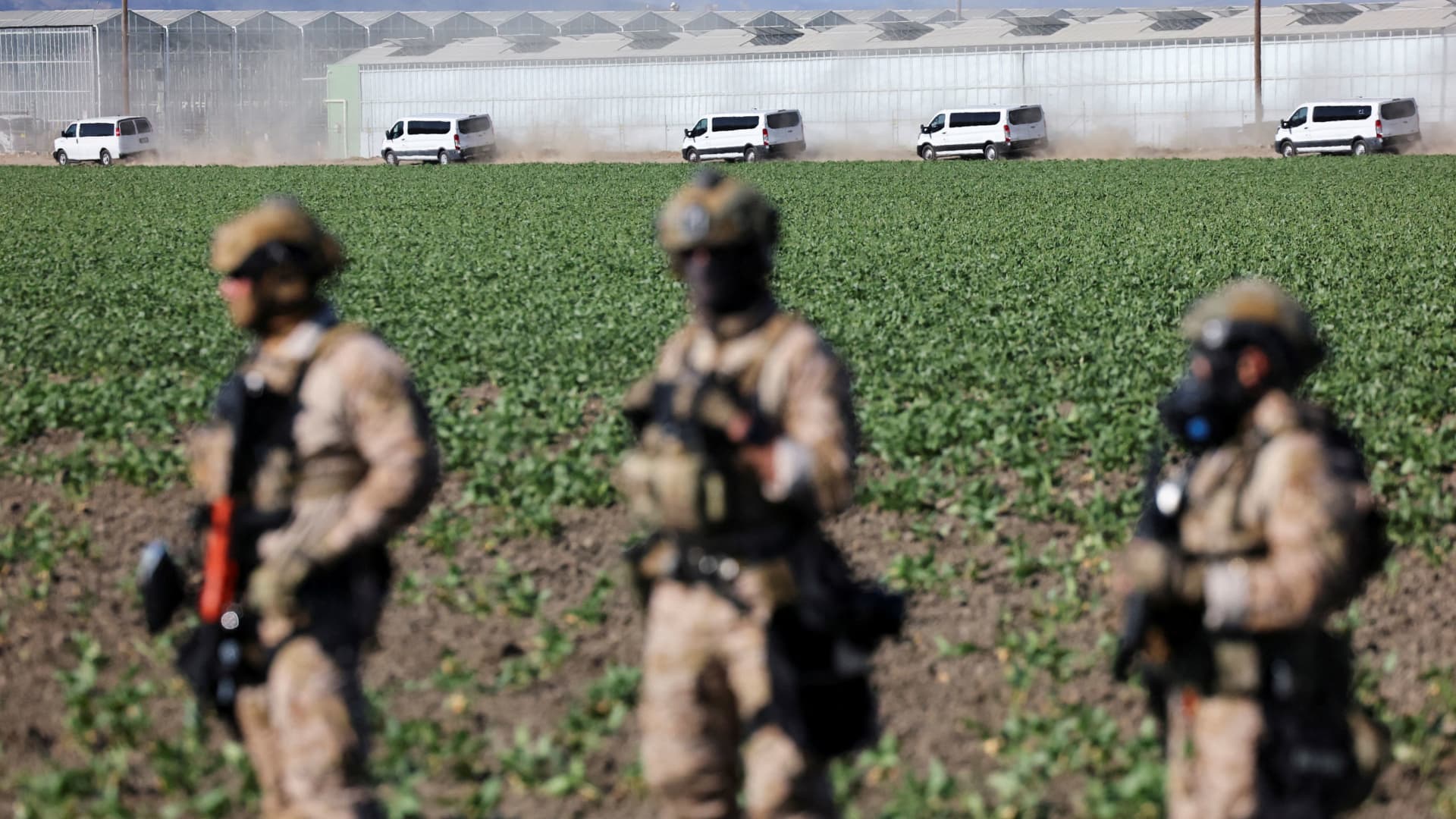
President Trump's increased enforcement of immigration laws stands to significantly impact sectors vitally important to California's $4 trillion economy, with agriculture, construction, and hospitality facing potential labor shortages.
California's economy ranks as the fifth-largest in the world, and billions of dollars are tied to industries sustained by immigrant labor.
Current data suggests an estimated 20% of California's 10.6 million immigrants lack documentation, a statistic highlighted by recent studies from the Bay Area Economic Institute and UC Merced.
Should mass deportations occur alongside the termination of temporary protected statuses and increased border security, the potential loss in California's GDP could reach $278 billion.
Immigrant Labor Vital to Economic Stability
With declining birth rates and an aging demographic, immigrant workers have become crucial, according to Abby Raisz from the Bay Area Economic Institute, underscoring their essential role in maintaining economic buoyancy.
Of particular note is their prevalence in agriculture, where the industry generates $49 billion annually. The Bay Area Council's report indicates a substantial 63% of the workforce are immigrants, including 24% who are undocumented.
Joe Garcia, head of the California Farmworker Association, emphasizes that without these laborers, staple produce like lettuce and strawberries would vanish.
Faced with challenging work conditions that offer low pay in outdoor settings, these roles remain unattractive to native-born workers, rendering automation impractical.
Federal Claims of Domestic Labor Adequacy
The administration maintains that the American workforce can fill these gaps, focusing instead on job creation for U.S. citizens, though significant numbers remain disengaged from work or education.
White House spokesperson Abigail Jackson has stated the President's initiatives are all about harnessing untapped potential within the domestic labor pool and upholding immigration laws.
Impacts on Urban Business and Public Perception
Downtown Los Angeles businesses have experienced the aftermath of ICE raids, with protests and subsequent National Guard deployments exacerbating public unease about safety.
The Independent Hospitality Coalition, representing many local businesses, noted that these raids instilled fear among immigrant workers already dealing with economic challenges.
According to Eddie Navarette of the hospitality commission, events like local fires and now immigration issues parallel the disruptions of COVID-19 in terms of business impact.
Ongoing Worker Shortages Pressing Industries
Essential sectors such as construction continue to face labor shortages that predate changes in immigration regulations, with over 60% of construction workers being immigrants.
Anirban Basu from Associated Builders and Contractors attributes the skilled workforce deficit to cultural shifts and has relied on immigration to fill this gap historically.
While some contractors welcome Trump's policies, hoping for increased domestic manufacturing, others worry about rising costs and uncertain futures.
California’s housing demands ensure a perpetual need for construction labor, regardless of the economic climate, according to Basu.
Leave a Reply