


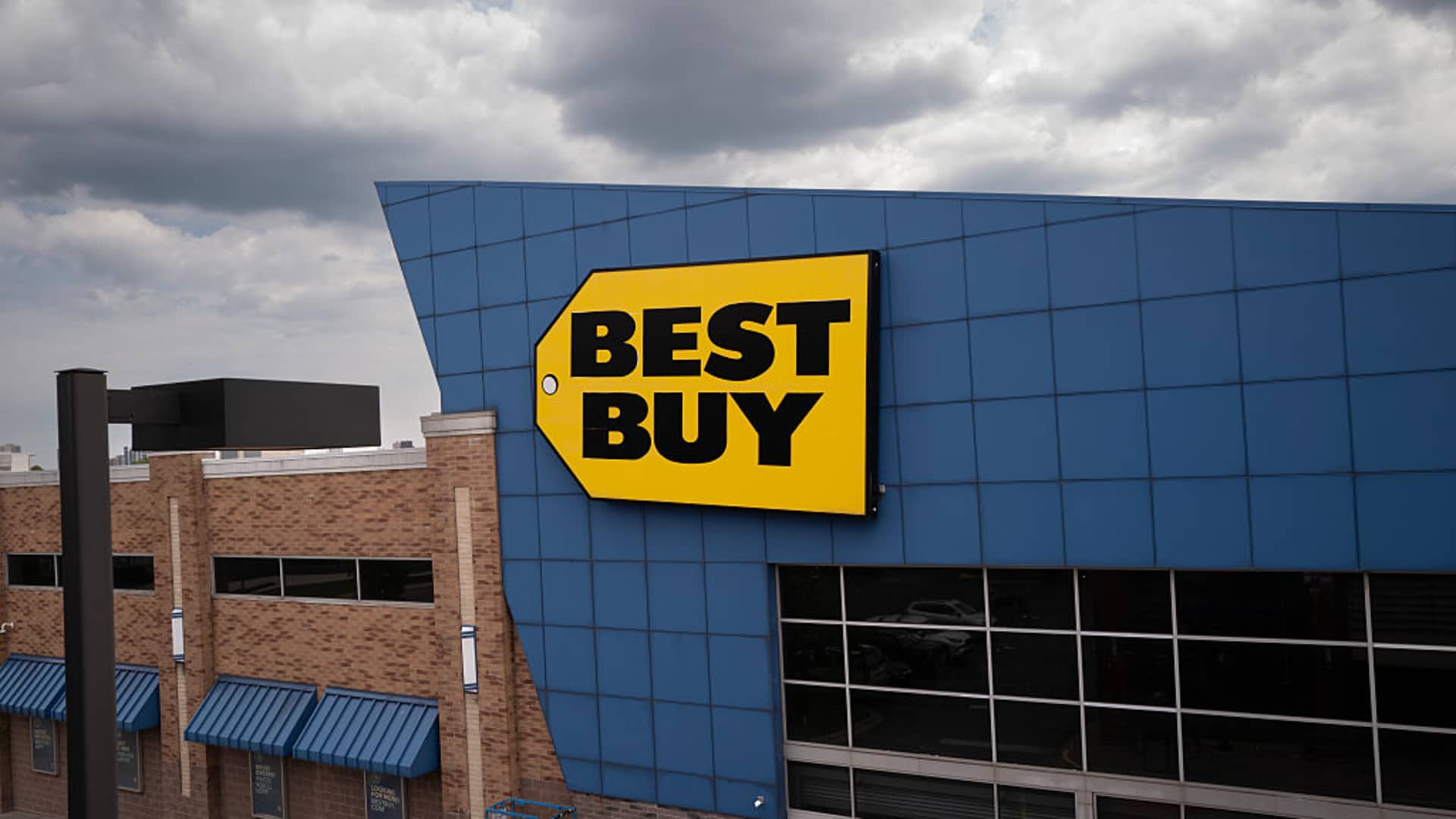
Best Buy Introduces Third-Party Marketplace to Boost Sales
In an effort to enhance the variety of its offerings and counteract decreasing sales, Best Buy is launching a new third-party marketplace.
Commencing this Tuesday, customers browsing Best Buy’s online platform will notice a wider range of products, including new tech accessories like bespoke gaming controllers and unexpected items such as sports memorabilia and holiday decorations.
Similar to platforms from other major retailers, Best Buy's digital marketplace will depend on third-party vendors to manage stock, sales, and shipping, earning revenue through commissions on sales made.
Jason Bonfig, the Chief Officer of Customer, Product, and Fulfillment, stated that their primary focus remains on meeting consumer tech needs, noting the increasing trend of electronic sales via marketplaces. This shift necessitates aligning with customer habits.
Bonfig indicated the marketplace platform would close existing gaps in product offerings, such as batteries for outdated cameras and smartphone cases, while also supplying complementary items for other purchases, like compatible cookware for kitchen appliances and TV stands for large screens.
This new marketplace also serves as a launchpad for smaller vendors with innovative products who lack the scale to supply to physical stores at the needed volume.
The introduction of this marketplace coincides with a period where Best Buy seeks to invigorate its sales as they have faced a decline over several years, partly due to factors like a slow housing market and careful consumer spending.
In its latest financial outlook, Best Buy predicted annual sales would be between $41.1 billion and $41.9 billion, a figure similar to last year's but smaller than during the pandemic years.
Best Buy's latest earnings results, along with more immediate sales predictions, are to be released on August 28.
The marketplace model introduces additional challenges, pointed out by Jonathan Matuszewski, a retail analyst. Increased tariffs have heightened costs for electronics manufacturers, diverting focus from essential innovation and development.
Competing in the third-party marketplace arena are other retailers like Nordstrom, which launched their own marketplaces last year, and others planning to do so. Target is also expanding their existing marketplace platform.
CEO Corie Barry emphasized the marketplace as a critical component of Best Buy's strategy this year to create new revenue streams deemed essential in the current environment, providing flexibility in product range and pricing.
The marketplace additionally supports the retailer's growing digital advertising sector. Sellers can gain better visibility through paid advertisements, increasing their product exposure.
While the marketplace can lead to increased earnings due to reduced operational burdens, it also comes with potential risks, like quality control issues and overwhelming product variety causing customer confusion about the brand's core identity.
Initially, the Best Buy marketplace will include about 500 selected sellers, all vetted to ensure they uphold satisfactory customer service, including matching Best Buy's return policies.
Shoppers have the convenience of returning products either directly to third-party sellers or at Best Buy stores.
Leave a Reply