


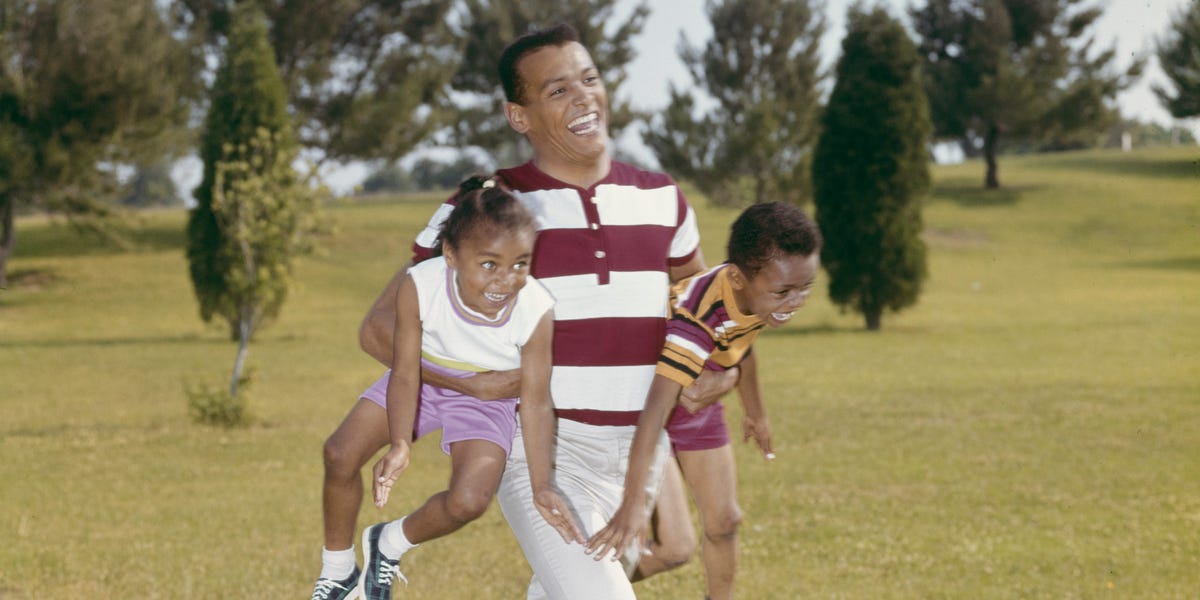
The Transformation of Fatherhood in America Through the Lens of Time
A hundred years ago, the role of a father was primarily synonymous with long working hours to ensure the family’s financial security—an expectation that left limited personal time with their children.
Contrastingly, many contemporary fathers can now benefit from parental leave policies, allowing them to be directly involved in caregiving duties like diaper changes and bedtime storytelling.
Historical Perspectives on Fatherhood
Across different eras, fatherhood has been influenced by culture, economic conditions, and evolving family structures. Over the past hundred years, major historical events such as the Great Depression, World War II, the financial crisis of 2008, and the COVID-19 pandemic have all contributed to shifting parental roles.
Today, more fathers are likely to stay at home and be actively involved in nurturing their children, reflecting a significant shift from paternal roles of the past.
Before Industrialization: Fathers as Moral Guides
In the pre-industrial era, a father's reputation hinged on the behavior of his offspring, with societal norms dictating that fathers take direct responsibility for their children's upbringing.
Particularly in agrarian communities, fathers were central to teaching essential life skills like farming and hunting, ensuring their children could contribute to society.
The Industrial Era's Impact on Fatherhood
The advent of industrialization established a 'breadwinner' expectation for men, shifting fathers' roles to primarily financial providers. This shift was marked by the traditional separation between the spheres of home and work.
This period delineated a clear division of labor by gender, altering the direct involvement fathers had previously had in daily child-rearing.
Father’s Day: A Symbolic Shift During Hard Times
Emerging in the early 1900s and gaining prominence post-Great Depression, Father’s Day became a day to honor the diverse contributions of fathers, albeit formal federal recognition did not come until 1972.
The holiday also evolved into an economic stimulant, with the ethos of gifting becoming tightly woven into its annual celebrations.
War and Its Effects on Fatherhood Roles
World War II brought about a 'marriage boom' due to draft policies initially exempting married men. However, as the war escalated, married men were no longer exempt, and numerous fathers left home for military service, reinforcing a pattern of absentee fatherhood as males filled compulsory roles.
Post-War Dynamics: Changing Parental Roles
In the post-war era, the emergence of working mothers began to redefine family dynamics in the US. By the 1960s, dual-income households became increasingly common, necessitating a shift in parental responsibilities.
Mothers were still primarily seen as caregivers despite working, while some fathers began to participate in housework and childcare activities.
The Evolution of the 'Nurturant Father'
During the 1970s, fathers started to engage more deeply in the emotional and developmental needs of their children. Termed as 'the new nurturant father,' this role marked a departure from the solely breadwinner model as fathers began to take more active roles at home.
This decade also saw legal changes such as the introduction of no-fault divorce laws which, along with feminist critiques, prompted society to reconsider paternal and maternal roles.
Contemporary Fathers: Shifting Trends and Challenges
With the new millennium came a rising trend of fathers choosing to stay home, partially driven by economic changes and evolving gender norms. Between 2003 and 2006, stay-at-home dads increased significantly.
Despite playing an active role in child-rearing, many stay-at-home fathers reported feeling socially isolated in a predominantly mother-led community of caregivers.
The Impact of Economic Fluctuations and Pandemics on Fatherhood
Economic downturns, such as the 2008 recession, further catalyzed the shift toward more fathers staying at home. Unemployment often led to a revaluation of parental roles within the household.
Following COVID-19, the increased feasibility of remote work has allowed even more fathers to spend time at home, blending occupational and familial responsibilities.
As society continues to redefine what it means to be a father, current trends show a move towards shared parenting responsibilities and deeper emotional bonds between fathers and their children.
Leave a Reply