


Polish Presidential Election Amid Security Concerns
Amid tensions from the conflict in Ukraine and doubts about continued US defense support under President Trump, Poland heads to the polls this Sunday. The election could shape the nation's future at a precarious time.
Key Candidates and Political Landscape
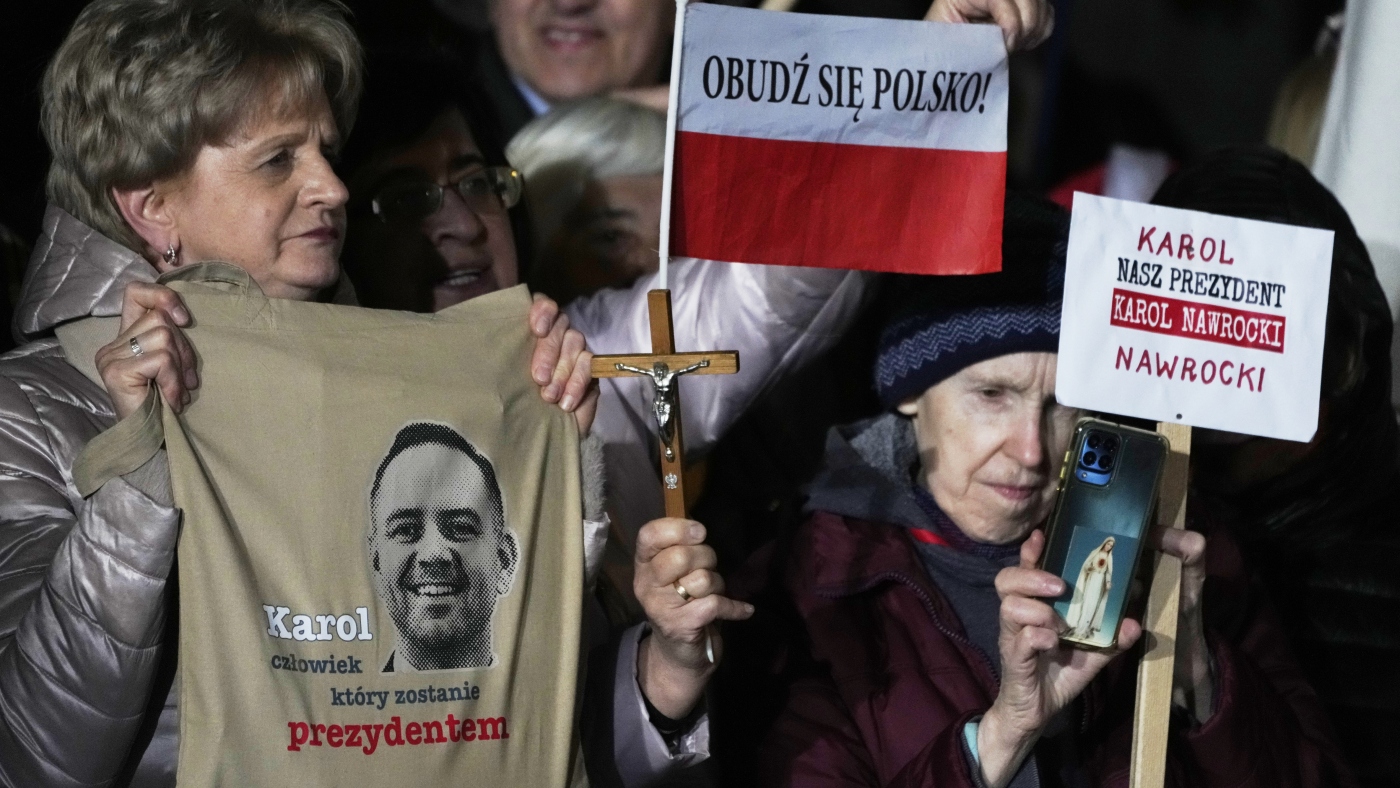
The race is led by Warsaw's liberal Mayor, Rafał Trzaskowski, an ally of Prime Minister Donald Tusk, and Karol Nawrocki, a conservative figure with historical scholarship but no political track record, aligned with the national conservative Law and Justice Party.
Polling suggests Trzaskowski captures about 30% support, with Nawrocki following in the mid-20s. A runoff is anticipated for June 1, as neither candidate seems likely to secure an outright majority.
Broader Political Implications
This election also gauges other political strengths, notably the far-right. Sławomir Mentzen, a candidate with hard-right views reminiscent of populist and anti-EU sentiments similar to MAGA ideology, holds a significant third position.
Given the crowded field of contenders and the over-50% majority rule for victory, the likelihood of a follow-up vote seems high.
Security and Interference Concerns
Voting starts at 7 a.m. through 9 p.m., with initial results expected by early next week. There have been reports of digital disturbances, including denial-of-service attacks targeting coalition members tied to Tusk and allegations of foreign-funded political ads on Facebook.
Presidential Powers and Potential Impact
Though prime minister and parliament wield significant power over domestic affairs, the Polish presidency holds substantial sway, especially over military, security, and foreign policy matters, and possesses a legislative veto power.
The current president, Andrzej Duda, has utilized these powers to challenge Tusk’s policies, vetoing appointments and opposing legislative reversals of Law and Justice's former policies.
Victory for Trzaskowski might herald policy changes, particularly in the judiciary and media sectors, perceived as politicized under Law and Justice, although accusations of media politicization extend to Tusk as well.
Conversely, Nawrocki assures supporters of his commitment to conservative principles and national independence, aligning with his historical institute leadership stance.
As Poland prepares to choose its next president, the vote carries implications not just for domestic governance but also for Poland's role in Europe's collective defense strategy.
Leave a Reply