


Lessons Hollywood Can Learn from Desi Arnaz's Journey
In his upcoming biography about Desi Arnaz, former Times correspondent Mr. Purdum uncovers the remarkable trajectory of a Cuban immigrant who reshaped the entertainment industry.
The Hollywood Struggle of a Dynamic Duo
Nearly three-quarters of a century ago, a vibrant red-haired actress and her traveling musician spouse faced dwindling prospects in both their professional and personal lives. She had a steady role in a Hollywood-based radio program, while he spent much of his time touring as a bandleader, leaving little room for them to connect. Despite a decade together, tensions led her to file for divorce once, and their relationship seemed to be hanging by a thread.
A Risky Venture Paves the Way
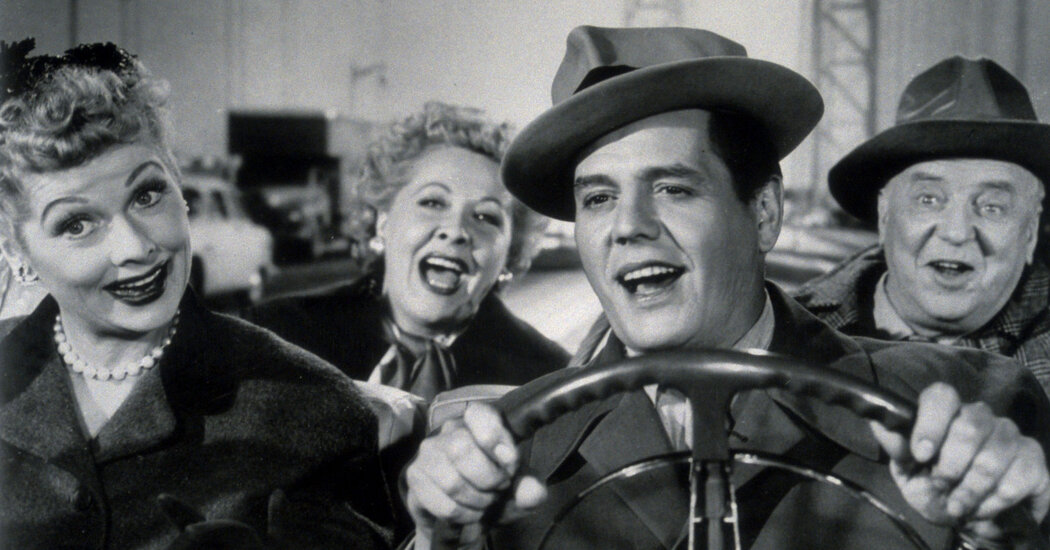
That actress was Lucille Ball and her husband, Desi Arnaz, stood at a crossroads. When CBS proposed relocating Ball's radio show 'My Favorite Husband' to television, she insisted on sharing the screen with Arnaz. This was a bold ask, given that network executives and potential advertisers doubted that a Latino man with a thick accent could convincingly play the husband of a quintessentially American woman. Arnaz recognized this bias, famously recalling, 'I was always the guy that didn’t fit,' during a conversation with Ed Sullivan.
Challenging Perceptions with Talent
To overcome industry skepticism, Arnaz devised a strategy aligned with their strengths. They embarked on a vaudeville tour, showcasing their authentic chemistry and talent across the nation. This tour aimed to convince America of the magic they could create together on TV.
Despite widespread racial prejudices, even in progressive areas like Los Angeles where some eateries denied service to Latinos, Arnaz spearheaded an effort that would eventually promote diversity and inclusion long before these concepts were widely championed.
Surprising Success and Long-Lasting Impact
The couple's performances were met with overwhelming positivity from audiences and critics alike, leading The Times' A.H. Weiler to commend them as a duo likely to become exceedingly busy as a husband-and-wife team. Their success on the road persuaded CBS to film a pilot episode for their show.
Initially, finding a sponsor was challenging, but advertising mogul Milton Biow, who interestingly is Matthew Broderick’s grandfather, convinced Philip Morris to sponsor the show. Thus, 'I Love Lucy' was born, becoming a historic television milestone largely due to Arnaz's pioneering efforts.
Leave a Reply