


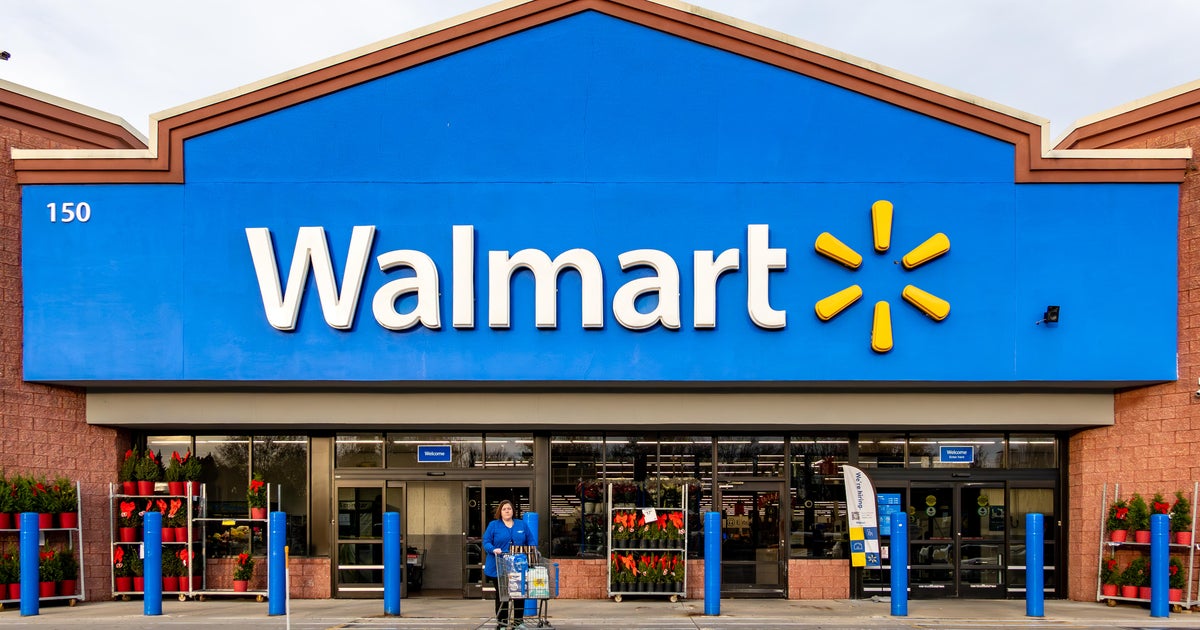
Trump Urges Walmart to Keep Prices Stable, Telling Them to Absorb Tariffs
In recent remarks via social media, President Trump strongly advised Walmart not to increase their price tags, suggesting that the company should absorb the cost of tariffs rather than passing them on to consumers.
Warnings have been issued from Walmart indicating potential price hikes on various goods, including everyday items such as bananas and children's safety seats, despite recent moderation in tariffs on Chinese imports.
During a call with investors, Walmart CEO Doug McMillon explained the challenges the company faces. He pointed out that even though tariffs have been slightly reduced, they continue to contribute to rising prices.
The company anticipates these price changes to be implemented soon.
President Trump's tariff increases have been part of his strategy, with claims aimed at dismissing concerns by stating that foreign companies would bear the added costs. He urged American retailers to accommodate these expenses.
Through his messages, Mr. Trump criticized Walmart, a major U.S. employer, suggesting that the company should offset tariffs with its significant profits, promoting his objective of boosting domestic manufacturing jobs.
Trump addressed Walmart directly on social media, urging them not to cite tariffs as the cause for widespread price increases across their products. He highlighted Walmart's substantial earnings, suggesting the company and its suppliers in China should absorb the added costs instead of burdening customers.
A representative from Walmart reaffirmed the retailer's longstanding commitment to providing affordable prices and expressed no intention of changing this principle.
The representative mentioned that Walmart endeavors to offer the lowest possible prices while navigating the challenges posed by narrow retail margins.
This predicament underscores the complex decisions confronting major U.S. companies due to tariff implications, as they navigate between safeguarding their profits and avoiding disapproval from the administration.
Some retail executives, including McMillon, previously engaged with President Trump to discuss the potential adverse effects of tariffs, yet those discussions did not halt the administration's decisions. Other large corporations, such as Amazon and Apple, are also feeling the impact on their supply chains.
According to John David Rainey, Walmart CFO, the price of certain imported goods, for instance, car seats from China, could surge by nearly 30% due to tariffs.
Rainey noted that while Walmart aims to keep expenses low, there are limitations to what the company or any retailer can manage under the circumstances caused by the tariffs.
Most recently, the administration reduced tariffs from 145% to 30% for a limited time but has imposed significant tariffs on other nations as well. These actions have strained ties with key trade partners like Mexico and Canada due to associated concerns.
With a 10% standard tariff applicable to most countries, President Trump continues negotiations for trade deals, indicating intentions to maintain tariffs as a financial resource.
Leave a Reply