


The Fate of Reaper Drones in Modern Warfare
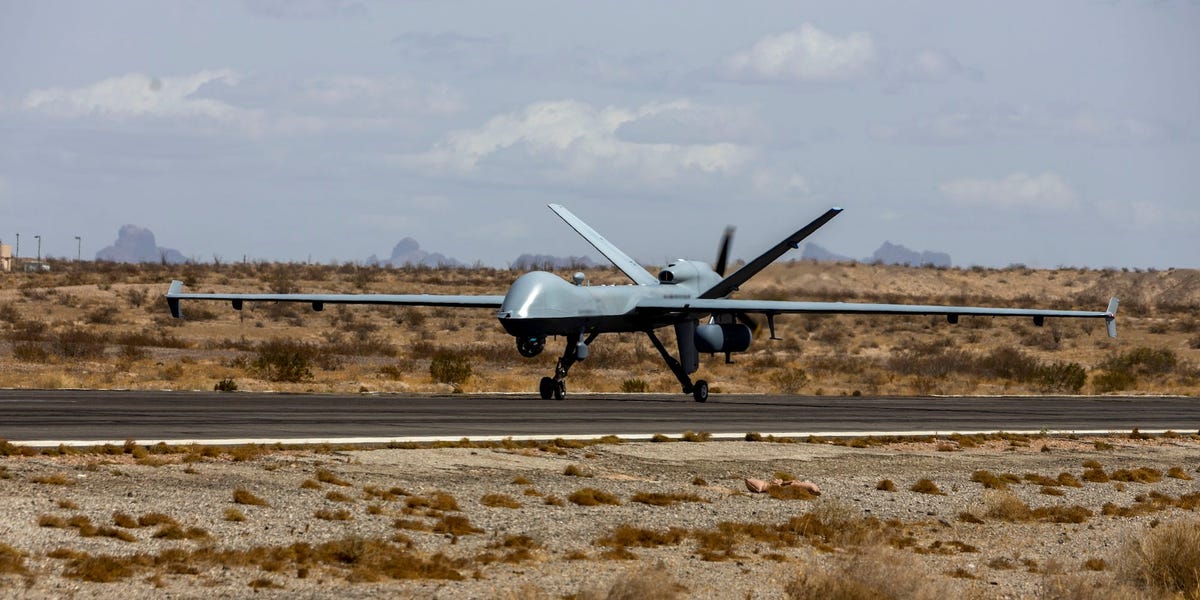
The MQ-9 Reaper, a mainstay in the arsenal of the United States military, has gained a reputation as a mighty aerial weapon. Unfortunately, its record of successful missions is increasingly marred by losses in conflicts stretching from Eastern Europe to the Middle East.
The Changing Landscape for Medium-Altitude Drones
Once heralded as indispensable tools for warfare, medium-altitude drones like the Reaper are facing unprecedented threats. These formidable reconnaissance assets are seeing increased destruction, leading to concerns over their continued viability. Specifically, their presence in conflict zones such as Ukraine and Yemen has been met with rising hostility, primarily due to advanced air defenses and strategic shifts by opposing forces.
During the height of America’s fight against terror, the MQ-9 Reaper, alongside the earlier MQ-1 Predator model, represented the pinnacle of remote-controlled military technology. Capable of loitering over conflict zones for an entire day and armed with precision-guided weaponry, these drones were the embodiment of modern warfare.
Challenges in Reaper-Friendly Skies
The Reaper’s substantial 66-foot wingspan, characteristic of its design by General Atomics, signifies both its capability and the associated risks. Costing approximately $30 million per unit, these large drones have become common targets. The incidents over Yemen, Lebanon, and Ukraine exemplify the growing challenges they face.
Experts are now questioning investments in such costly, medium-altitude drones by nations like the UK. An increasing consensus suggests that smaller, less expensive drones might offer better investment value, particularly in scenarios where survivability is in doubt. Robert Tollast, a military analyst with the Royal United Services Institute, pushes for alternative strategies, noting the questionable future of these drone systems.
Drone Systems Under Siege
In the aftermath of numerous downed MQ-9s by factions such as the Houthi rebels in Yemen, questions on cost-effectiveness gain prominence. The extent of military capability loss, estimated at over half a billion dollars since late 2023, underlines how vulnerable these drones are, especially against technologically sophisticated adversaries.
The conflict in Ukraine highlights similar vulnerabilities. The TB2 Bayraktar drones initially achieved substantial gains, targeting Russian formations in early 2022. However, their effectiveness waned as Russia brought its air defense systems to bear. In parallel, Israeli Hermes drones fell prey to anti-aircraft efforts by Hezbollah, demonstrating the ubiquitous vulnerability of such systems.
Strategic Implications for the United Kingdom
Facing similar challenges, the British military grapples with its own drone conundrum. Their MALE drones, such as the Watchkeeper, encountered operational setbacks, from prolonged deployment delays to frequent technical failures. Consequently, the UK is considering new ventures like Project Corvus, which proposes the development of a next-generation surveillance drone.
Nevertheless, the enduring concern is the prohibitive cost of such unmanned aerial systems. As noted by assessments in Ukraine, the value and expendability ratio appears favorable only below the $200,000 mark, challenging the cost efficiency of expensive assets like the Reaper or Bayraktar TB-2.
Alternatives and Future Pathways
One strategy, emphasized by military strategists, hinges on the use of mass-produced, low-cost drones. These small, adaptable machines redefine the battlefield economy, filling an economic void by supplementing traditional forms of firepower through affordability and resilience.
However, dilemmas persist for strategic investments in larger, more capable drones. Proposals for advanced models equipped with stealth technology seek to circumvent air defense radar systems, though this involves significant financial investment—an untenable prospect for nations with limited defense budgets.
Alternatively, integrated systems like satellites, high-altitude balloons, and tethered platforms present plausible pathways. Such systems avoid the exposure of medium-altitude drones but also introduce new logistical and operational challenges, particularly in terms of deployment speed and positioning.
Despite advancements, the broader implications for military forces remain concerning. Without disruptive technological progress that allows small drones to perform as robustly as their larger counterparts, the competitive edge previously enjoyed by Western military powers could diminish significantly.
Leave a Reply