


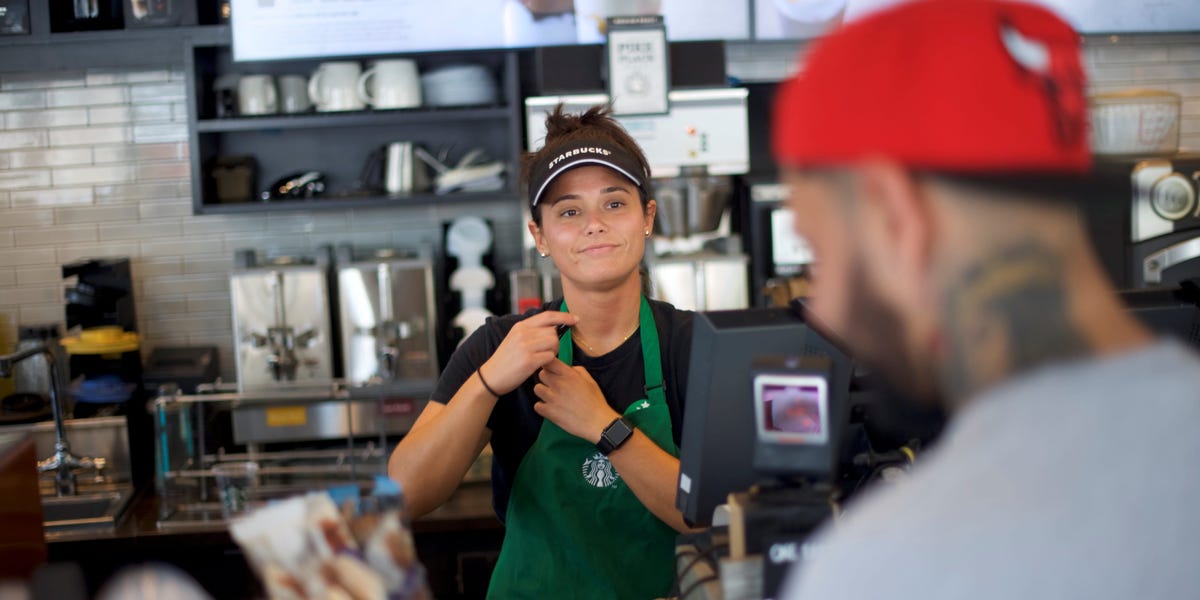
Starbucks Leans on Baristas Over AI to Address Customer Demand
As various fast-food chains like Wendy's and Chipotle incorporate AI for order taking and food preparation, Starbucks is opting for a more human-centric approach.
The coffee giant has announced intentions to increase workforce shifts over the coming months, recognizing that machines haven't quite matched the efficiency of human workers in crafting beverages.
Some of this workforce boost will involve recruiting new baristas, while others will see current employees receiving increased hours or being reassigned between locations to fill gaps.
According to R.J. Hottovy of Placer.ai, the move reflects Starbucks' understanding that addressing throughput and customer experience requires added labor.
Enhancements will include a new algorithm to optimize drink-making sequences, thus improving efficiency as more shifts are added.
CEO Brian Niccol highlighted that the new operating strategy and the algorithm would be implemented in nearly 3,000 American stores by the end of September. This strategic shift contrasts with the industry trend leaning towards automation.
Why Machines Fall Short at Starbucks
Starbucks had previously introduced the Siren System, designed to boost cold beverage production like frappuccinos. However, by April's end, the decision was made to cease its use in favor of enhancing human staffing.
Niccol mentioned during an earnings call that investing in people proved more effective for quick order fulfillment compared to machinery.
The presence of more workers means they can engage customers directly — customizing orders, answering inquiries, and creating personal interactions valued in their community setting.
An early trial of added staffing at 700 stores reflected an uptick in transactions, indicating potential benefits of focusing on human resources, though this approach isn't without its challenges.
According to Sujay Saha from Cortico-X, expanding shifts must cater to in-store, takeout, and drive-thru demands effectively.
Baristas' Perspectives on Increased Staffing
Despite the optimism, some employees voiced skepticism over whether the increased staffing would bring meaningful change, choosing to share their views anonymously due to fear of repercussions.
In New Mexico, one barista remarked on how overburdened the current teams feel, suggesting this acknowledged stress might deter potential job candidates.
An Ohio employee welcomed the news, noting their manager often steps in due to understaffing; they pointed out this support typically wanes on Mondays.
Concerns were echoed by a North Carolina worker, citing turnover linked to understaffing and dress code changes, casting doubt on promised improvements.
Financial Implications of a People-Centric Model
The financial impact of this pivot to increased staffing was felt as Starbucks' shares saw a 7% dip post-announcement.
To manage these costs, Starbucks plans to use a zero-based budgeting technique, which requires expenses to be justified from scratch annually rather than referenced against past budgets.
Despite the expenses, this approach aligns with Niccol’s vision of transforming Starbucks into a destination known for memorable customer experiences.
Placer.ai data revealed a 0.9% dip in store visits in the first quarter. However, increased staffing and enhanced customer service could encourage more frequent visits.
Ultimately, employees are the core of the Starbucks experience, and improved personnel interactions could drive customer satisfaction and repeated patronage, as noted by Hottovy.
Leave a Reply