


Short-Lived Tariff Reprieve: A Small Business Dilemma
As tariffs on Chinese imports dropped from a steep 145% down to 30%, board game creator Connor Alexander decided it was time to launch the production of his latest game. If luck is on his side, the game will set sail towards the United States in two months, with arrival a short period thereafter.
However, by then, the tariffs might revert back up.
Connor Alexander, a 54-year-old publisher from Seattle, expressed his anxiety to Business Insider. 'This temporary tariff relief doesn't offer true comfort. Rather, it heightens my anxiety,' he said. His concern stems from the potential that by the time his shipment hits US shores in 90 days, the tax rates could revert to their original highs, possibly jeopardizing his business's survival.
Uncertain Future Under Trade Agreement
In the latest trade discussions with China, American tariffs dropped to a 30% rate, effective for a brief 90-day period, leaving future scenarios ambiguous. Kush Desai, a White House spokesperson, proclaimed the Trump administration’s dedication to reinforcing American strength through an economic approach that prioritizes fair trade, regulatory reduction, energy freedom, and a streamlined government.
Business Insider reached out to various small business owners. While they appreciated the lowered tariffs, the brevity of 90 days felt insufficient for decisive planning, turning business operations into a speculative exercise.
Fast-Paced Countdown
During the 145% tariff era, Alexander hit the brakes on two initiatives at his company, Coyote and Crow Games, known for its board games promoting Indigenous narratives. The tariff drop prompted him to restart these projects, though market conditions remain precariously uncertain.
Even the swiftest timelines aren't reassuring; a 90-day window might not suffice for his China-based productions to reach the US, especially considering possible shipping halts. The final taxation on these games upon arrival remains a mystery.
Haley Pavone, who spearheads Pashion Footwear, described the new deal as a blend of satisfaction and annoyance.
'Having the ability to manufacture instantly would tempt me to build inventory now. Yet, the production span is four months, and this grace period spans only 90 days,' she remarked. This short duration forces her to proceed with caution only.
While summer collections are in stock and autumn items are underway, Pavone hesitates to place her festive orders, anticipating tax volatility on her fall shipments expected in August.
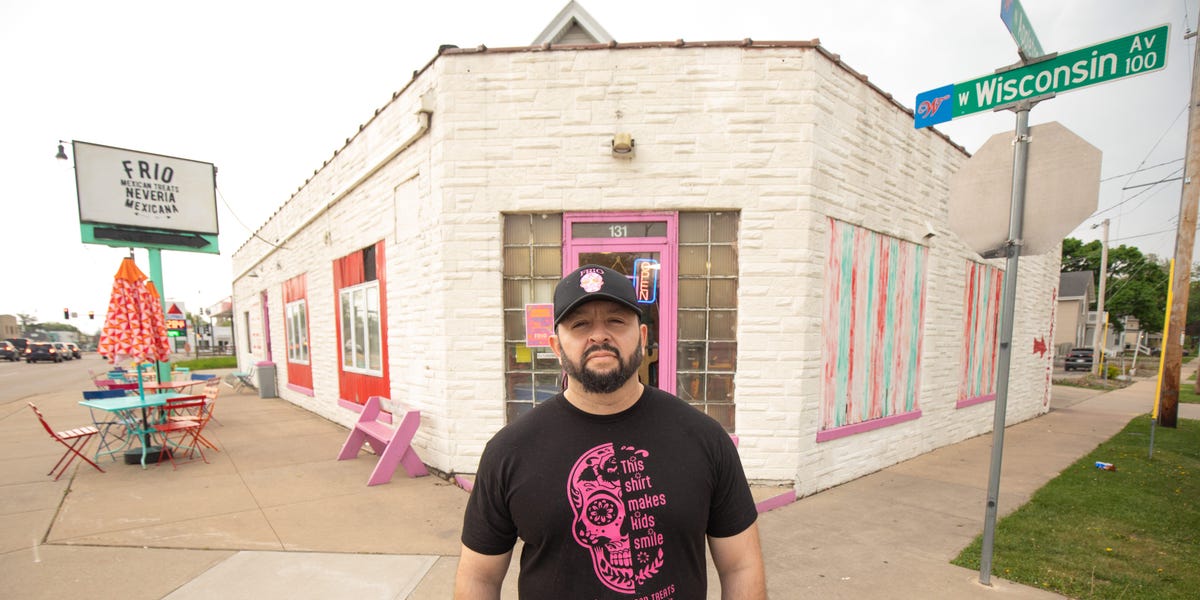
Hugo Ramirez, operator of Frio Mexican Treats in Wisconsin, typically relies on China for non-perishable goods. When previous tariffs were steep, he pivoted to more expensive, yet less tailored, local sources.
Short-Term Gains, Long-Term Puzzles
Jessica Kim, who runs boba vending machines through Mycha LA and Chicago, saw temporary relief in the tariff window for incoming shipments but found it inadequate for strategic future planning.
An order of ten machines intended for February was on hold due to hefty tariffs, ready to dispatch only by April's end. Upon the tax reduction, Kim resumed the order, aiming for mid-June arrivals.
'I attempted to align the timing as if wagering,' she shared.
Navigating a Financial Guessing Game
Alexander forecasted that if current tariffs persist, game costs might climb by $10 to $20, though precise pricing remains speculative.
'I’ve cautioned my customers that definitive pricing awaits the stock's arrival,' Alexander explained. 'It's a gamble I'm taking for my business's continuity.'
Pavone is similarly constrained, staying as risk-averse as possible, a stance destined to impact supply lines and pricing.
'Budget forecasting is a guessing game under such fleeting timelines,' she noted concerning her holiday inventory.
Moreover, recent policy changes closed a loophole allowing tax-free imports under $800, prompting Pavone to adjust her pricing structures domestically without affecting international rates.
Derailed Expansion Plans
Pavone had intentions to expand her team, but has since retracted job offers previously extended.
Ramirez, too, has shelved growth strategies as procuring additional equipment seems unsustainable under current tariffs. His core product prices remain stable, yet premiums face price hikes.
Instead of assigning blame, Ramirez concentrates on actionable solutions but remains skeptical about tariff benefits. 'Resolving market challenges to foster small business growth would be ideal,' he mused about the administration's role, 'but my direct experience tells another story.'
Leave a Reply