


Profits Soar for Our Resale Business Because of New Tariff Policies
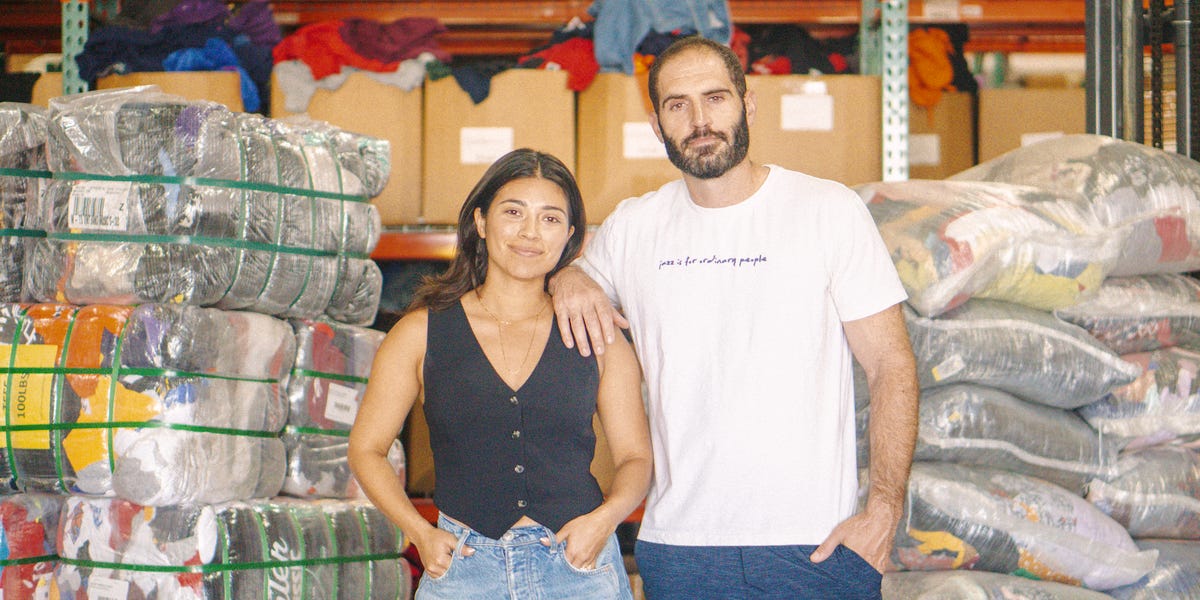
Ryan Frankel launched a secondhand fashion enterprise alongside his wife, Evelyn, in 2020, naming it Thrift Vintage Fashion. Specializing in the distribution of used apparel throughout the nation, the business spotlighted men's garments like T-shirts, sweatshirts, and jeans.
Initially, Ryan observed a downturn in sales once the previous administration took power, instilling an atmosphere of doubt. However, post-announcement of tariff adjustments, the tables turned, and they experienced a striking 41% surge in revenue from February to March. It marked their most successful March and April since the business's inception.
Tariffs Fuel Business Expansion
Ryan's lineage has long been linked to this industry, with his grandfather venturing into secondhand menswear sales after WWII. His father concentrated on denim, particularly Levi's, during the 1990s. Ryan joined the family trade in 2010, helping establish an online presence and expanding customer reach.
Once they launched Thrift Vintage Fashion as a primarily business-to-business operation, success followed quickly, with over a million dollars achieved in revenue within their inaugural year. The experience gleaned from his family and enhancements to their business model and website played pivotal roles.
With Tariffs, Opportunities Arise
Upon the tariff increase, questions flooded in from their clientele, including vintage shops and online sellers, about potential impacts. Ryan confidently assured them of no price hikes on their end, fueling a rise in both orders and customer trust.
As price inflation becomes a looming concern, the untariffed nature of secondhand items stays beneficial. This phenomenon accelerates interest in the resale sector, creating a flourishing environment for the business.
The Growing Allure of Reselling
In response to these shifts, small and large businesses alike gravitate toward reselling. The U.S. remains a primary market for Ryan, with a notable expansion witnessed among old and new customers who are eager to capitalize on this upward trend.
Shoppers and entrepreneurs realize secondhand items' distinct appeal, superior quality, and growing market demand. Ryan and his team are proactively enhancing their supply chain to cater to both wholesale and retail demands, navigating the steady rise in this field.
Facing the Challenges of Secondhand Commerce
A significant hurdle lies in the expensive undertaking of acquiring, refurbishing, and marketing these pre-loved garments. Despite some used clothes costing more than contemporary ones, changing perceptions are swaying consumer views towards appreciating the durability and uniqueness of older fashion.
Secondhand stores are shedding past stigmas, as Ryan emphasizes the excellent condition and hard-to-find styles of their inventory, further validating the move towards valuing previously loved fashion over disposable trends.
The Future of Secondhand Fashion
The appetite for vintage and secondhand clothing doesn't seem to be waning, making it a wise business entree for those concerned about tariffs. There are untapped potentials in thrift markets, with more buyers recognizing the merits of preloved items.
Ryan remains optimistic about shifting the narrative and tapping into the abundance of secondhand exquisite finds, urging entrepreneurs to explore this domain for growth opportunities and silent sustainability.
To share unique stories from other small-business owners, reach out to Editor Manseen Logan at mlogan@businessinsider.com.
Leave a Reply