


The Limits of Our Aviation System: A Stress Test
Despite high levels of safety in air travel, recent pressures suggest our aviation system is being tested.
Annually, U.S. airlines transport over 800 million passengers locally, often without fatalities and with very few injuries, attributed to rigorous safety commitments.
Yet, these standards have faced increasing pressures in recent years.
Alarm Bells at Newark Airport
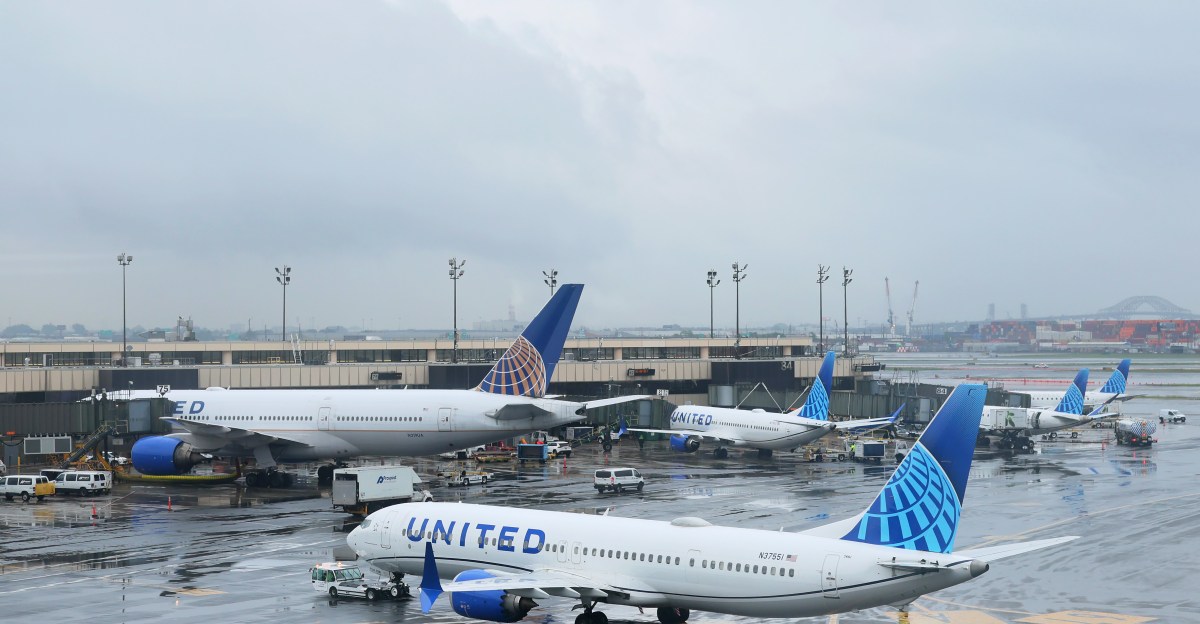
Newark Liberty International Airport recently highlighted the strain with only three air traffic controllers on duty instead of the required 14, along with several 'communications blackouts.'
But it's not just an isolated case. Across U.S. airports, understaffing and high traffic have led to a noticeable rise in near-misses and communication failures over the past few years.
The midair collision near Reagan National Airport in Washington, with over 60 casualties, marked the deadliest air crash since 2001.
Layered Defenses in Aviation
These incidents seldom result in fatalities due to the layered, 'defense in depth' approach of the U.S. aviation system, which requires multiple failures for a crash to occur.
Aircraft are equipped with systems to avoid collisions, even when air traffic control may lapse. Emergency protocols guide pilots during communication losses or unclear landings.
Testing Safety Limits
In risk management, this multi-layered system is known as the 'Swiss cheese' model. Each layer has potential gaps, but safety is achieved when these gaps do not align across all layers.
With each protective layer having flaws—from human error in air traffic control to technological limits—accidents are avoided if a single layer remains intact.
Despite the strain, flying from Newark generally remains safe. However, maintaining historical low accident rates requires uncompromised safety layers.
A significant near-miss must prompt immediate action, irrespective of other safety layers averting disaster, to ensure comprehensive safety.
Failure to address these critical near-misses can turn them into catastrophic accidents, exemplified by the Washington collision in January amid high helicopter traffic.
Historical Lessons: Can We Learn?
Each preventable plane crash is a tragedy. Rapid safety improvements reduced once-common accidents, thanks to robust error-prevention systems developed through past calamities.
Plane crashes from the 1970s could not occur with today’s technology, procedures, and training. Yet, complacency sets in, and we test the resilience of these systems.
Boeing, for instance, introduced a risky new aircraft model, relying on existing safety measures for oversight, which fared differently in less resource-rich countries.
Cultural Complacency and Broader Implications
This reflects broader societal tendencies. Historical challenges, once mitigated by solutions such as vaccination, face renewed hurdles as societal memory fades.
Contrary to ongoing safety vigilance, neglecting aviation staffing or vaccine protocols poses unreasonable risks, learned through the loss of innocent lives.
While relaxation of measures can be reasonable, ignoring critical safety needs jeopardizes achievements hard-won over history.
Ultimately, whether recent tragedies like the Potomac crash or measles deaths in Texas alter attitudes remains uncertain, but the early signs are uncomfortable.
Leave a Reply