


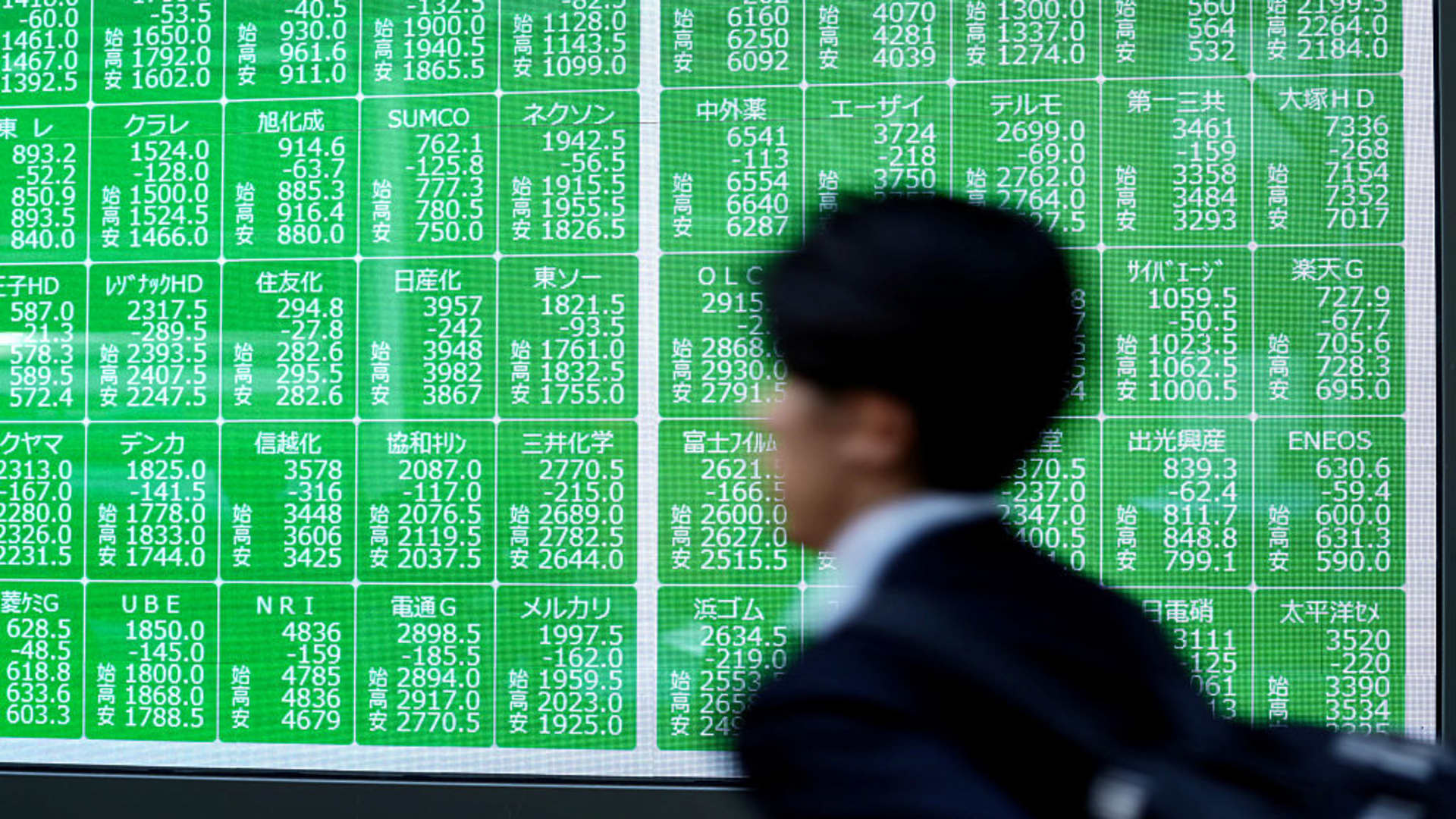
Surge in Japanese Asset Purchases in April Amidst U.S. Market Turbulence
In April, Japanese markets experienced an unprecedented influx of foreign investments as investors diverted from U.S. markets due to trade tensions instigated by President Donald Trump's policies.
According to government statistics, foreign investors acquired Japanese equities and bonds amounting to 8.21 trillion yen, or approximately $56.6 billion. This represents the highest monthly inflows since records began in 1996.
Yujiro Goto from Nomura suggests that global investors' shift away from U.S. assets and towards Japan was primarily driven by uncertainties around U.S. trade policies.
Current Sentiments and Future Prospects
As trade tensions between the U.S. and China ease, confidence in U.S. financial markets is on the rise again. However, there remains speculation on the enduring attractiveness of Japanese investments post-April.
The significant inflow into Japan’s financial markets predominantly happened during the initial week of April, right after reciprocal tariffs were discussed by the U.S.
The immediate response to U.S. tariff announcements included a spike in the U.S. 10-year Treasury yield and a contrasting dip in Japanese 10-year yields, highlighting opposing trends in investor preferences.
Continued Appeal of Japanese Markets
Rashmi Garg of Al Dhabi Capital notes that Japanese assets served as a safe alternative amidst widespread skepticism towards U.S. markets in April, primarily attracting institutional investors including pension funds and asset managers.
Kei Okamura from Neuberger Berman highlights that global macroeconomic shifts urged investors to reallocate assets away from the U.S., underscoring the need for diversification.
While the April inflow levels may not be sustainable, analysts like Vasu Menon at OCBC suggest that Japanese assets may still see healthy demand despite potential decreases in comparison to the April peak.
Impact of Corporate Governance Improvements
The Tokyo Stock Exchange has initiated reforms to enhance corporate governance, aiming to attract both domestic and international investors by increasing shareholder returns.
These reforms have heralded an era of significant share buybacks in Japan, potentially boosting market appeal by improving earnings per share and supporting stock prices.
As the yen shows signs of strength and Japan's economy rebounds, analysts like Okamura foresee continued investment in Japanese equities.
Morningstar’s Makdad anticipates ongoing inflows into Japanese equities, driven by enhanced corporate governance, although the appeal for short-term Treasury bills has diminished since the Bank of Japan's negative interest rate policies ended.
Leave a Reply