


Presidential Critiques of Judicial Activism: A Historical Perspective
Donald Trump, among recent U.S. presidents, has been notably vocal in criticizing what he perceives as 'activist judges' thwarting his administration’s agenda. However, he follows a historical pattern of presidents challenging the judicial branch.
Throughout history, American presidents have occasionally directed public criticism at judges when judicial decisions clashed with their policy goals. Trump, in particular, has characterized some judges as politically motivated opponents, potentially jeopardizing the rule of law by asserting responsibilities that he believes should be presidential prerogatives.
The Foundation of Judicial Independence
The U.S. Constitution establishes the principle of an independent judiciary to maintain a balance of power. Despite this, presidents and legislative bodies have expressed dissatisfaction with court rulings that contravene their objectives.
Alexander Hamilton, in early conversations about the Constitution, stressed the need for courts to function with independence from the other branches of government.
Origins and Evolution of 'Judicial Activism'
The phrase 'judicial activism' gained prominence in 1947 when it was used to critique judges who were perceived to promote personal policy preferences over strict interpretation of the law. Yet, criticisms of judiciary overreach have much older origins, appearing in debates across the political spectrum.
Some see judicial activism reflected in decisions that diverge sharply from traditional interpretations or precedents, and this term has been applied variably by different political affiliations over the years.
Presidential Confrontations with the Court
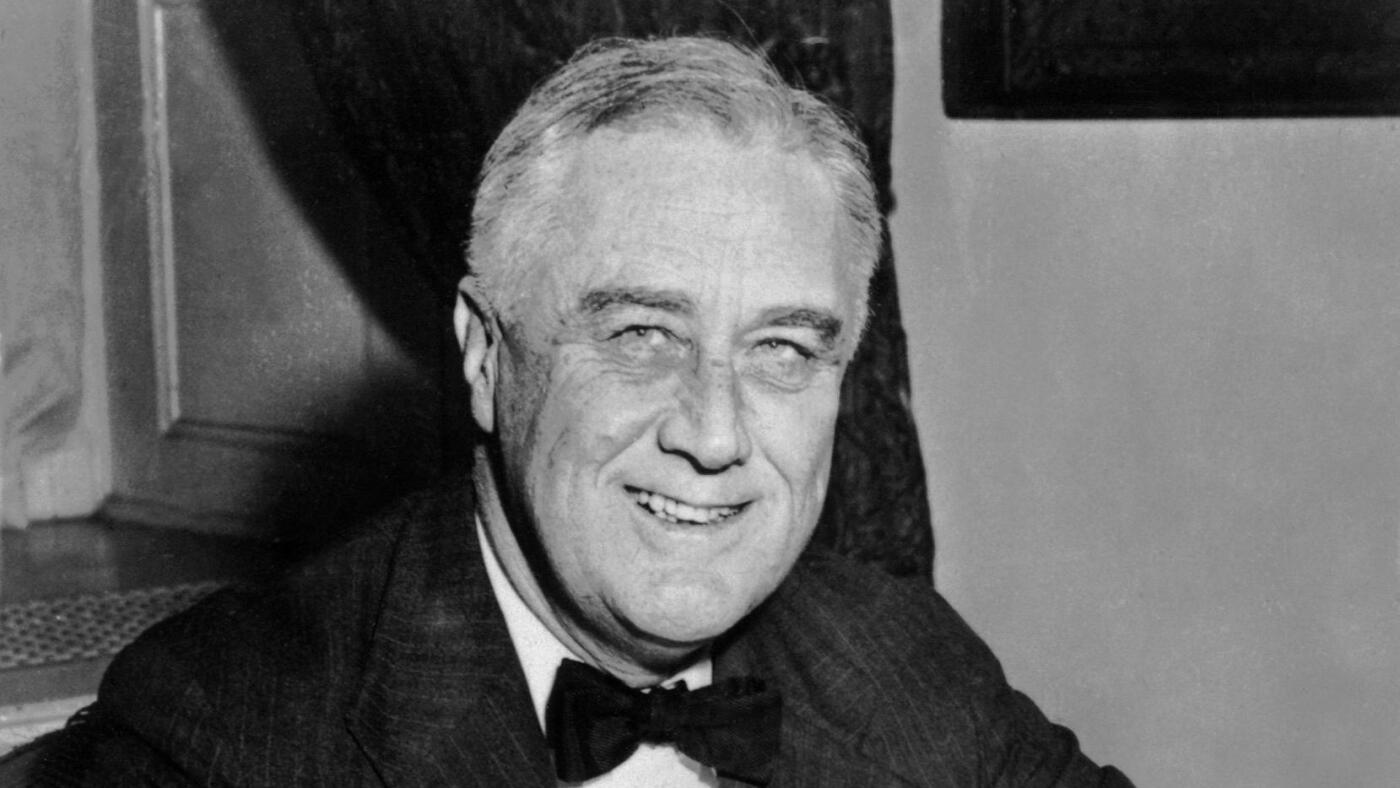
Franklin Delano Roosevelt faced significant pushback from the Supreme Court during his New Deal era. His attempt to add more justices to sway court decisions—known as the 'court-packing' plan—highlighted the tension between the executive branch and the judiciary.
Richard Nixon’s presidency marked another period of contention, where he criticized the Warren Court for what he termed leniency in criminal justice, advocating for a 'strict constructionist' approach to law.
During Ronald Reagan's administration, the term 'judicial activism' evolved further, often referring to judges who did not overturn policies conservatives felt were unconstitutional.
Current Judiciary Dynamics
Today, Trump's outspoken disagreements with judicial decisions, particularly those perceived as politically biased, underscore a highly politicized view of the courts.
Chief Justice John Roberts, in response to criticisms of judges as politically influenced, has defended the integrity and independence of the judiciary, emphasizing the role of the appellate process as the appropriate venue for contesting legal disagreements.
Leave a Reply