


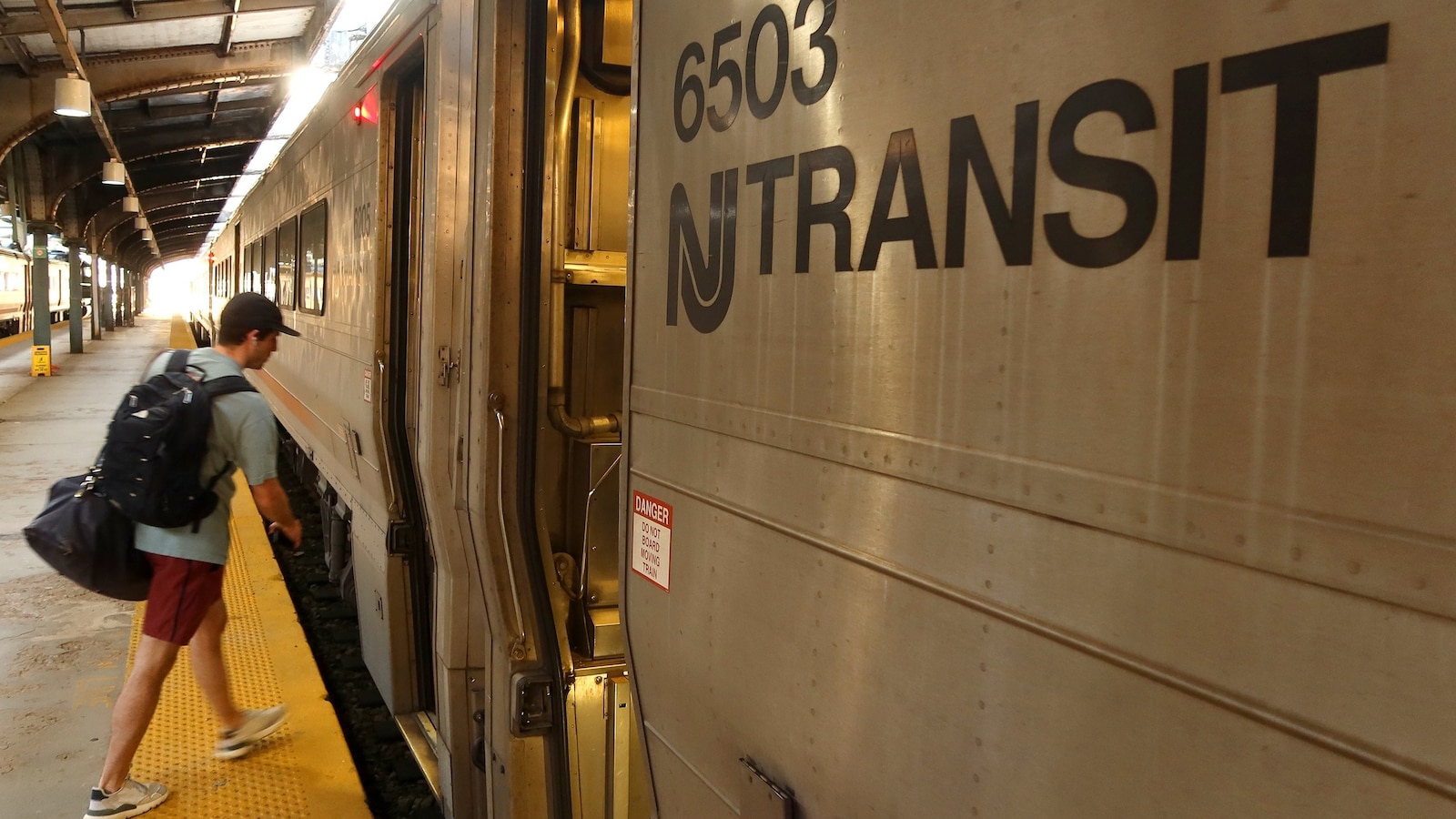
New Jersey Transit Engineers Strike for Higher Wages
Commuter chaos unfolds as the New Jersey Transit train engineers' strike brings train services to a halt, compelling countless commuters to scramble for alternative transportation solutions.
The Brotherhood of Locomotive Engineers and Trainmen (BLET) initiated the walkout after negotiations with NJ Transit leaders fell short of an agreement over new contractual conditions for operators.
Governor Phil Murphy revealed that although discussions were progressing, they did not finalize an agreement. As a result, at midnight Friday, all New Jersey Transit trains ceased operations.
Eleventh-Hour Negotiations Fail
Both parties reconvened on Thursday for last-ditch talks, accompanied by prior discussions in Washington, D.C., overseen by the National Mediation Board, but the deadlock persisted.
In a press briefing on Thursday night, Governor Murphy and NJ Transit CEO Kris Kolluri advised the public to consider telecommuting to mitigate commute disruptions.
Kolluri expressed optimism, suggesting that fruitful discussions could continue on Sunday and reiterated that abandoning talks was not an option.
Wage Dispute at the Core
BLET National President Mark Wallace highlighted during a press event that NJ Transit engineers haven’t seen a salary increase in five years.
Tom Haas, a lead figure in the BLET, stated that engineers currently earn around $113,000 annually. A proposed adjustment to boost their pay to $170,000 would solidify a deal, he implied.
According to NJ Transit, the current average annual earnings for their engineers stands at approximately $135,000, with top earners reaching beyond $200,000.
In separate remarks on May 9, Kolluri mentioned that Haas had previously agreed to an hourly wage increase, but the union later sought higher compensation.
Financial Implications and Disruptions
NJ Transit argued that acceding to the BLET demands would require $1.363 billion from July 2025 to June 2030, a financial burden that would heavily impact taxpayers.
They also warned that facilitating limited alternative routes could cost an additional $4 million daily in taxpayer funds.
NJ Transit plans to expand bus routes but acknowledges that they will only manage to serve about 20% of the normal rail customer base.
Traffic and Transportation Turmoil
Experts warn of severe traffic gridlocks in Manhattan due to increased dependency on buses and cars. The strike, academics asserted, could be comparable to a transport disaster.
Steven Chien, a New Jersey Institute of Technology professor, emphasized the vital role NJ Transit plays, noting how suspending these services could cripple essential transport networks.
Leave a Reply