


GOP Proposals to Cut Food Assistance: Impact on Republican States
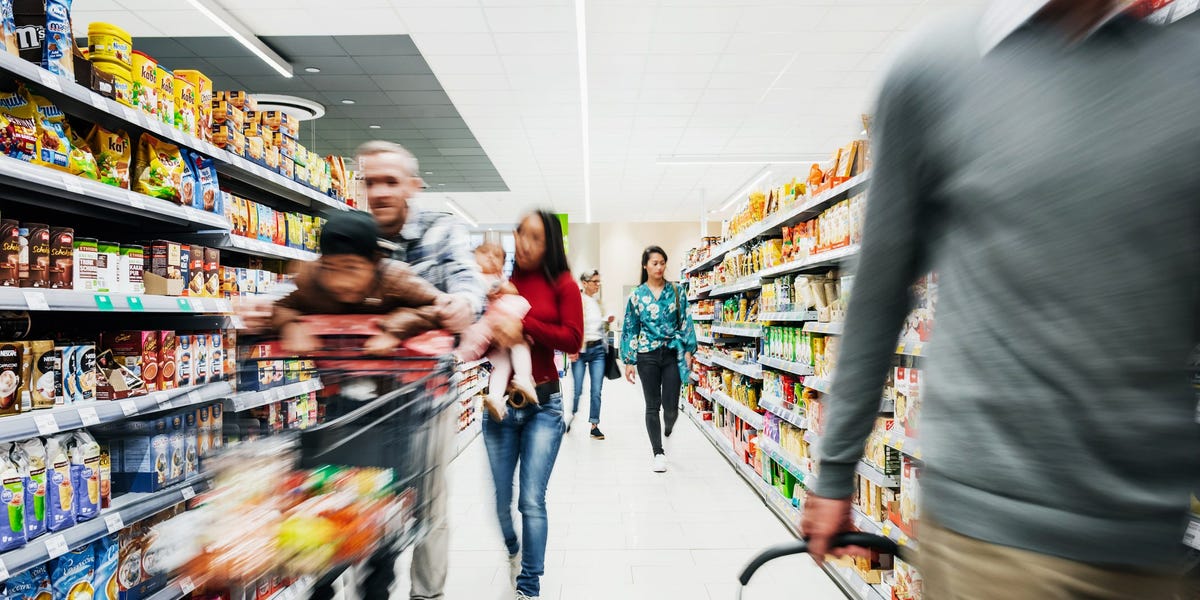
House Republicans are pressing forward with plans to reduce funding by $230 billion for federal nutrition initiatives such as SNAP over the next ten years. This program currently supports the grocery needs of nearly 42 million Americans and is notably relied upon in states with Republican leadership.
One proposed policy change involves extending the age for nondisabled individuals without dependents to meet work requirements for aid eligibility—raising the cut-off from age 54 to 64.
Supporters within the Republican ranks argue that the proposal aligns with efforts to minimize government expenses. However, ambiguity remains over whether this will affect the monthly benefits recipients count on. Critics argue that reduced funding alongside stricter rules could strain many families already grappling with rising food prices.
An announcement from the Agriculture Committee states the revised budget focuses on reclaiming SNAP's mission to emphasize employment over dependency, while reducing taxpayer burden and bolstering domestic agriculture.
According to Deputy Press Secretary Anna Kelly, this initiative by President Trump and fellow Republicans intends to ensure SNAP's longevity through prudent management, encouraging shared fiscal responsibility between states and the federal government.
The House intends to proceed with discussions, with a decision anticipated by Speaker Johnson's Memorial Day deadline.
Potential Effects Felt Strongly in GOP States
Cutting SNAP's budget could have significant repercussions for households with limited means. These funds, while restricted to food purchases, provide vital aid for acquiring necessary groceries, including fresh produce and proteins. SNAP benefits vary widely, from under $25 to over $1,000 monthly, depending on household composition and income.
Judith Murray, a SNAP beneficiary, noted, "Occasions like birthdays and holidays don't stop. Watching me use my SNAP card for a cake shouldn't be seen as negligence but as an effort not to disappoint my children."
In 2024, USDA data showed 12% of Americans were on SNAP, with states like Louisiana, Oklahoma, West Virginia, and Alabama—primarily Republican—having up to 19% of their populations enrolled.
Rising reliance on government programs like SNAP, Medicaid, and Social Security is documented in a 2024 Economic Innovation Group report, indicating these benefits formed 18% of personal income in 2022, a significant increase since 1970.
Diverse Economic Challenges Across Political Lines
Economic inequality is a familiar issue, not aligned solely with political affiliations. States with traditionally Democratic leanings such as Oregon and New Mexico also show above-average SNAP usage.
Food insecurity is part of broader socioeconomic challenges, with high dependence on aid tied to elevated poverty, unemployment rates, and restricted access to healthcare. These enduring issues disproportionately affect marginalized groups, including communities of color.
Despite its shortcomings, SNAP remains crucial; some beneficiaries balance their work hours to continue qualifying for aid, which is typically accessible to individuals earning around $15,000 annually, though this varies by state.
Republican Representatives Advocate Preservation
As legislative proceedings progress, data indicates GOP states are likely to bear the brunt of SNAP changes. Eight Republican Representatives, spearheaded by Tony Gonzales of Texas, urged their leadership to protect essential programs that support working-class citizens.
Their letter highlighted support for combating fraud and waste but emphasized the necessity to safeguard assistance programs like SNAP.
Leave a Reply