


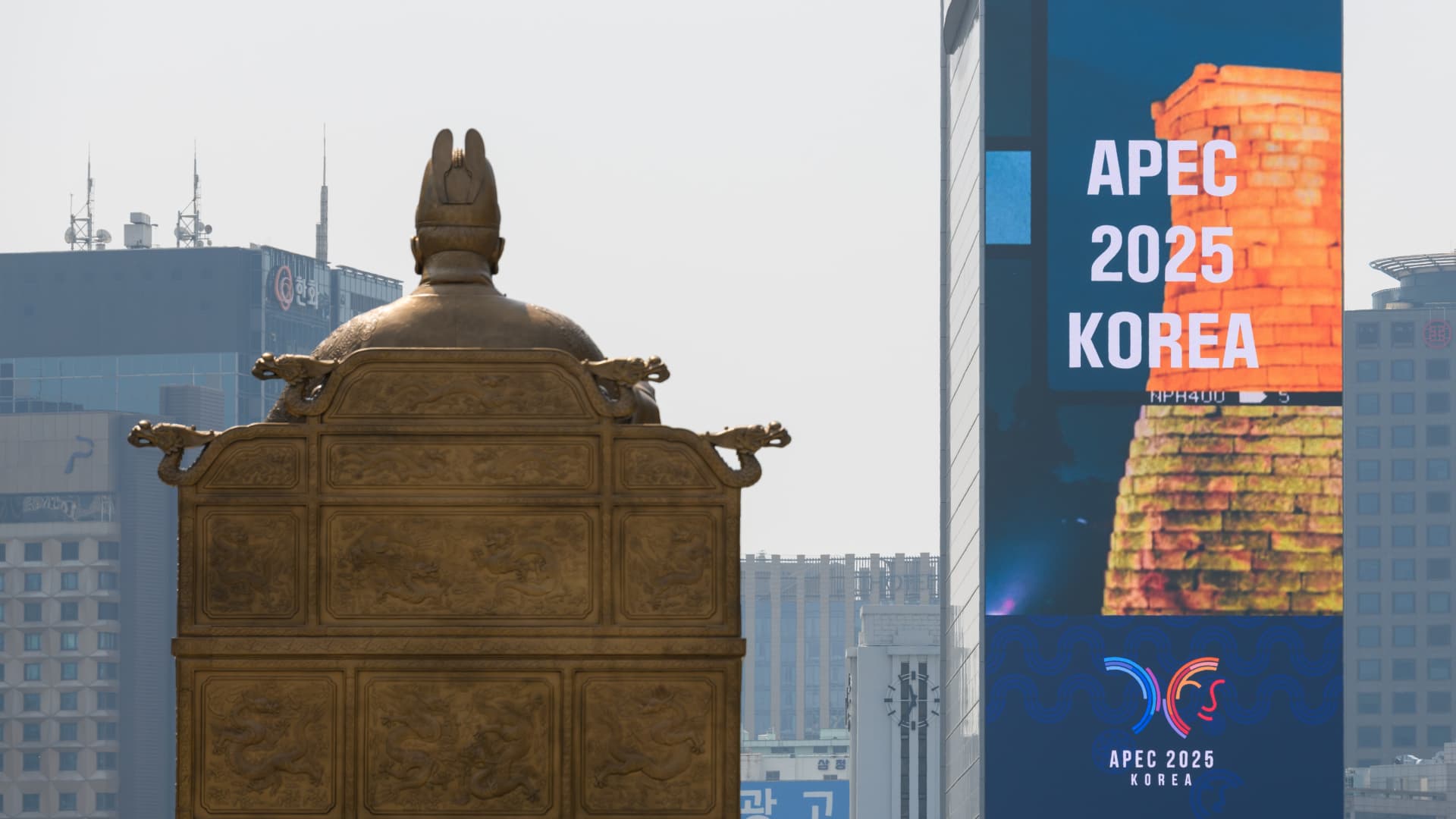
Economic Growth Concerns Amid Trade Uncertainties
A coalition composed of 21 major global economies, including the United States and China, expressed concerns on Thursday regarding potential significant slowdowns in their economic growth. This caution stems from ongoing trade disputes and policy ambiguities that are negatively impacting both investment and commerce.
Projections indicate a noticeable decline in growth rates, dropping from 3.6% in 2024 to a predicted 2.6% in 2025, as highlighted by the Asia Pacific Economic Cooperation.
"We've observed an increase in tariff implementations and countermeasures, a pause in trade facilitation processes, and a rise in non-tariff barriers," stated Carlos Kuriyama, a senior member at the organization during a meeting held in South Korea. "This environment does not support free trade."
Kuriyama added that this ambiguity is adversely affecting the confidence within the business community, causing many enterprises to postpone investments and new product developments until conditions become more stable and predictable.
This meeting occurs against the backdrop of President Donald Trump’s assertive trade policies, which included substantial tariffs prompting retaliatory actions from trade partners. Although some of these tariffs have been paused, a significant level of unpredictability persists.
To restore confidence in international trade, Kuriyama emphasized the necessity of not only easing tensions but also reinforcing supply chain robustness and enhancing the transparency of trade regulations and procedures.
Voices from Trade Experts
Current and former trade officials have echoed similar sentiments, underscoring the critical role that predictability plays in global commerce.
Mary Ng, who served as the Canadian trade minister during the imposition of 25% tariffs on steel and aluminum by the U.S.—Canada's principal steel market—stressed the need for trade agreements that provide reliable frameworks for international business engagements.
Ng emphasized the responsibility of governments to cultivate conditions that foster stability, clarity, and predictable environments, enabling businesses to confidently plan and operate.
Tengku Zafrul Aziz, Malaysia’s Trade and Investment Minister, remarked positively on recent de-escalations between the U.S. and China, advocating for continuous dialogue between countries.
ASEAN nations, as Aziz mentioned, are staunch supporters of a multilateral system governed by rules.
Potential Impacts on Global Economy
Ngozi Okonjo-Iweala, Director-General of the World Trade Organization, also participated, highlighting the necessity of engaging the U.S. in discussions to understand the origins of the current tensions and explore possible resolutions.
She warned about the implications of U.S.-China hostilities, suggesting that a division into two major global trading blocs could potentially lead to a 7% reduction in global GDP over the long term.
Leave a Reply