


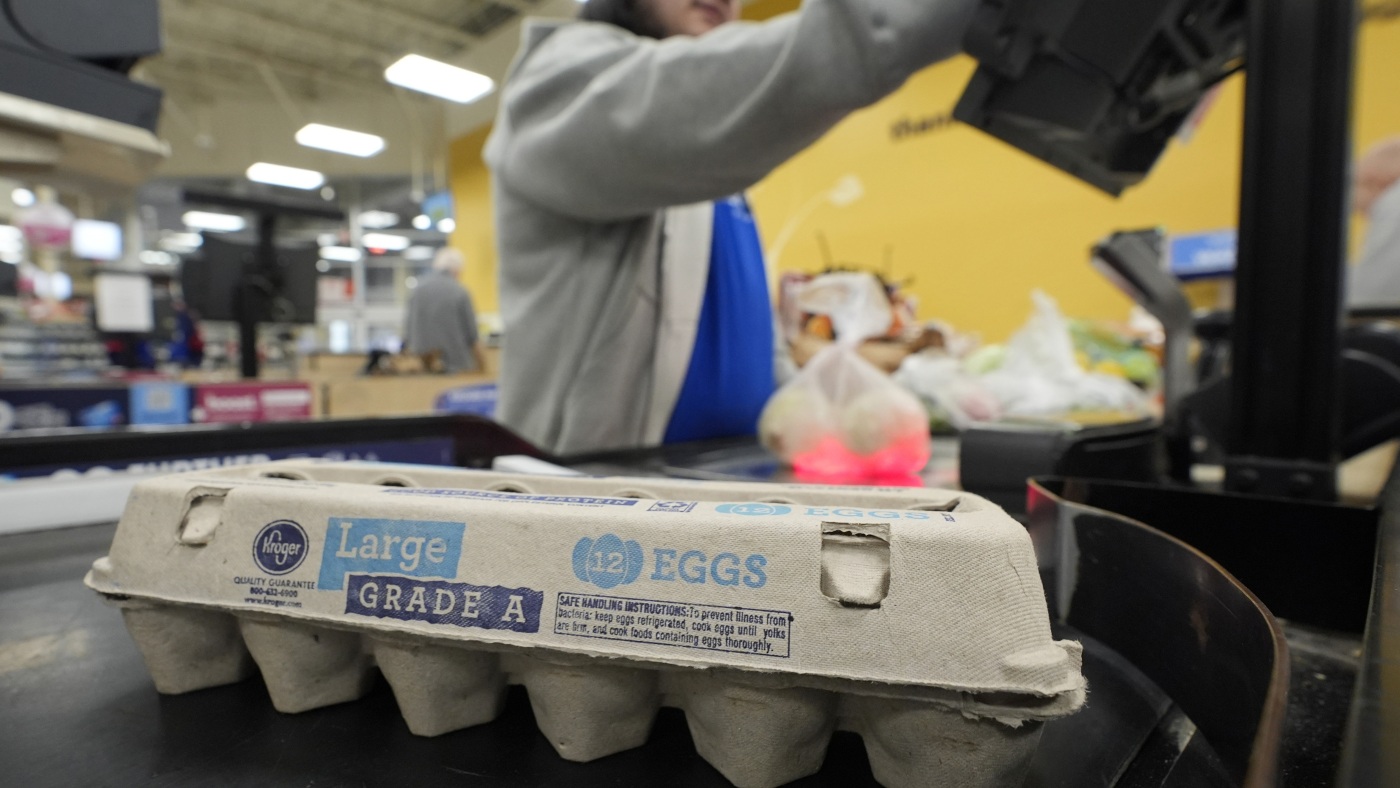
Drop in U.S. Egg Prices After a Protracted High-Price Streak
Recently, government data indicated a decline in the price of eggs, marking the first decrease in several months.
The cost for a dozen Grade A eggs fell to $5.12 in April, stepping down from the March peak of $6.23. This marked the first reduction in monthly egg prices since October of last year, as per the U.S. Bureau of Labor Statistics.
Despite this reduction, egg prices remain exorbitantly high due to a widespread avian flu epidemic that continues to diminish the population of egg-laying hens.
A Glimpse at Price Changes
Overall, the cost of eggs fell by 12.7% in April, which is the sharpest single-month decline recorded since March 1984.
Nevertheless, April's price for a dozen large eggs was a staggering 79% higher than it was during the same period last year, when they averaged $2.86 per dozen.
Factors Affecting Egg Prices
David L. Ortega, a food economics and policy expert at Michigan State University, anticipates further declines in egg prices through May and June as consumer demand typically weakens after Easter.
Additionally, a reduction in bird flu incidents at commercial poultry farms in recent weeks has led to a stabilization of the egg supply.
Impact of Bird Flu
The U.S. Department of Agriculture reported 59 bird flu cases in February, which decreased to three by April. However, Ortega warns that the course of the virus remains unpredictable, and a resurgence could trigger price increases.
Since early 2022, the bird flu has resulted in over 169 million bird deaths. When a single bird in a flock becomes infected, the entire flock is culled to prevent the virus from escalating. Restoring these farms to produce eggs again can take nearly a year.
An outbreak, even at a single major production site, can severely impact supply, particularly since large egg farms house millions of birds. For instance, outbreaks in April in Ohio and South Dakota affected more than 927,000 hens.
Efforts to Stabilize Supply
The U.S. Department of Agriculture unveiled a strategy in February to invest $1 billion in strengthening farmers' biosecurity against bird flu.
To bolster egg availability, the U.S. has increased imports from countries like South Korea, Turkey, and Brazil. Kevin Bergquist of Wells Fargo noted a 77.5% rise in egg and egg product imports during the beginning months of the year compared to the previous year.
Investigations and Market Dynamics
In April, the U.S. Department of Justice's antitrust division began investigating Cal-Maine Foods, the top egg producer in the nation, providing about one-fifth of the country's eggs.
Cal-Maine, based in Ridgeland, Mississippi, reported a significant profit gain last quarter, with net earnings surging to $508.5 million.
Leave a Reply