


RFK Jr. and the Overhaul of Health Agencies: Congressional Insight
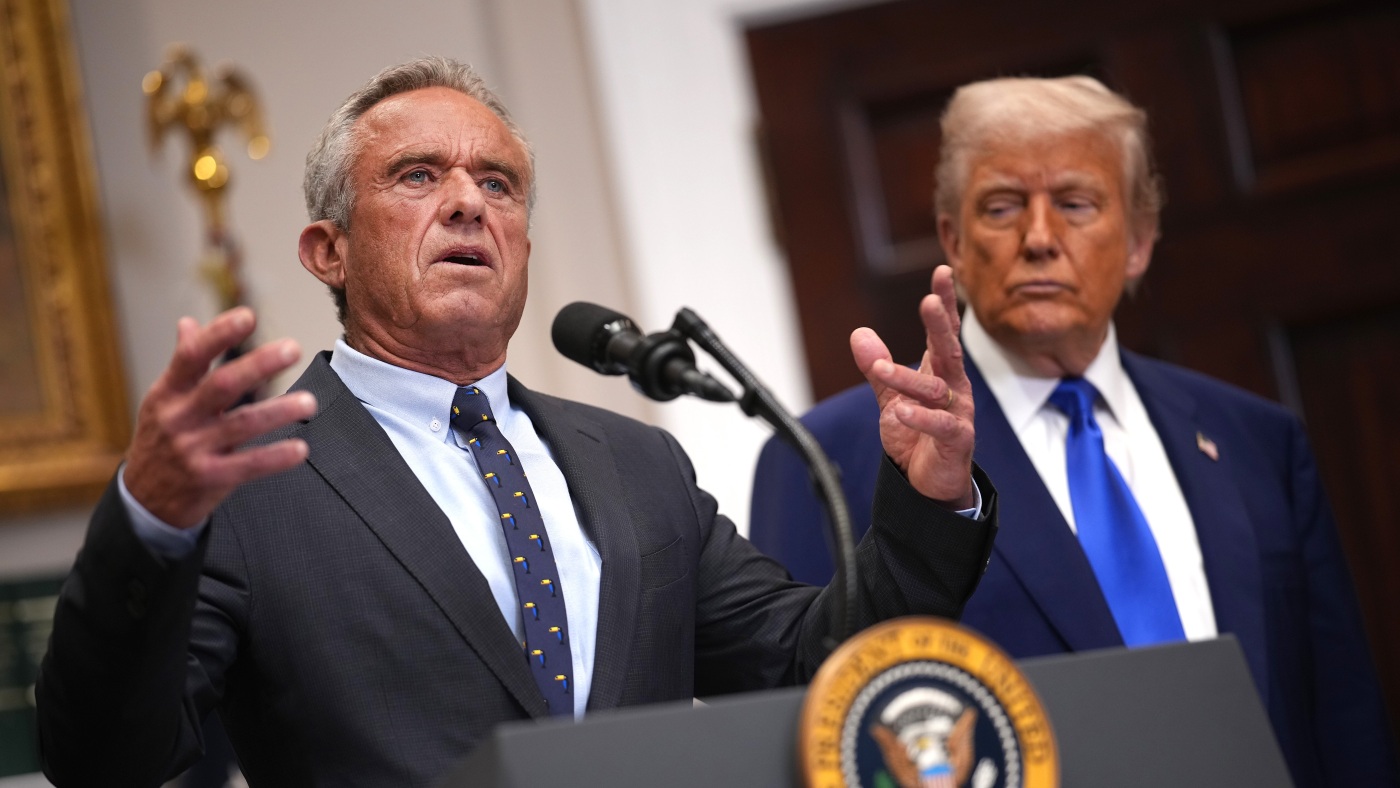
At the forefront of reducing governmental expanses, Health and Human Services Secretary Robert F. Kennedy Jr. has aligned with President Trump's objective to streamline the government. An executive order focusing on drug pricing was announced recently, showcasing this ongoing plan.
Appointed as the head of the Department of Health and Human Services this February, RFK Jr. has swiftly implemented substantial changes, resulting in the termination of thousands of employees and the cessation of billions in grants. These adjustments have disrupted traditional processes and encountered legal resistance.
The workforce reductions and grant terminations are now subjects of legal scrutiny, with a federal judge temporarily halting these employee dismissals. Secretary Kennedy is set to defend these actions before Congress this week.
Evaluations from Former HHS Leaders
Ex-HHS officials offer varied perspectives on Kennedy's decisions. Some, like a former secretary under President Bush, agree that reductions are essential but emphasize the need for informed decisions regarding the department's operations. There is concern about the possibility of essential public health programs being affected.
Others, like a former secretary from the Clinton administration, criticize Kennedy's approach as lacking both strategy and coherent execution. Meanwhile, Kennedy suggests that some of the cut positions might be reinstated if deemed necessary.
Kennedy is scheduled to address two significant Congressional committees to discuss the agency's future and make these extensive restructuring plans permanent.
Origins and Functions of Health Governance
The roots of the U.S. public health service lie in the care provided to seamen throughout history. This service evolved to address broader public health risks like yellow fever and smallpox, eventually embracing roles in sanitation and disease research.
Ensuring the safety of food and drugs has also been a government responsibility. Misleading practices were prevalent until legislative changes were spearheaded in the early 1900s to establish food and drug regulations.
The consolidation of these efforts into what became the Department of Health, Education and Welfare occurred in the mid-20th century. This department transformed over time into today's Health and Human Services, reflecting shifts in focus and scope.
The Broadened Scope of HHS Today
Presently, HHS manages extensive programs like Medicare and Medicaid and handles health insurance marketplaces, impacting a substantial portion of the American populace. Its budgetary responsibilities constitute a significant percentage of federal spending.
The department includes major agencies such as the CDC, NIH, and FDA, encapsulating a wide range of health services. Concerns arise from Kennedy's recent actions to consolidate these numerous entities, aiming to streamline operations under a new proposed structure called the Administration for a Healthy America (AHA).
Kennedy's initiative challenges the historically bipartisan support for these programs. The restructuring moves have ignited debates around their potential impact on public health services and scientific advancement.
New Visions and Critical Insights on Restructuring
While Kennedy has expressed admiration for HHS staff dedication, he simultaneously charges the agency with being susceptible to industry influences, linking its expanded structure to increasing health crises. He argues that a streamlined focus is necessary for improvement.
This rapid restructuring has resulted in significant staff layoffs, presenting logistical challenges and fueling discussions about the efficacy and methodology of such sweeping changes. The repercussions are visible in delays and disruptions to essential health functions.
Historical Context of HHS Reorganization
Previous leaders of HHS have pursued reform, though many criticise Kennedy's execution. Historical comparisons reveal past efforts to enhance agency efficiency while maintaining the continuity of vital services. Concerns about abrupt changes persist, highlighting the challenges of aligning new strategies with existing systems.
Despite internal and external critiques, Kennedy aims to continue this reformation with urgency, citing the need for decisive action to rectify long-standing systemic inefficiencies in pursuit of improved public health outcomes.
Leave a Reply