


Relief Followed by Urgency: U.S. Temporarily Reduces Tariffs on China
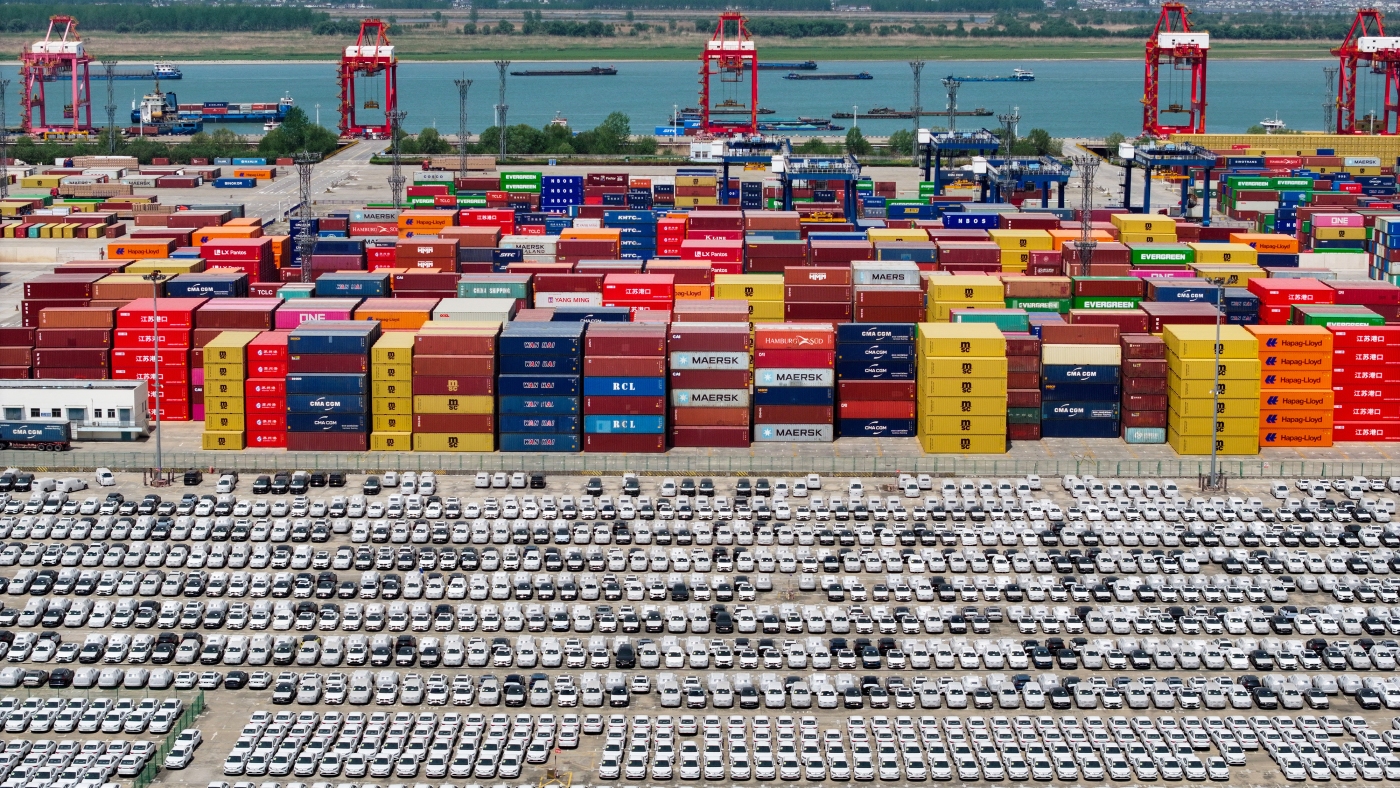
At the port in Nanjing, a lineup of Chinese cars await shipping, illustrating the gravity of solving trade disputes.
When New York clothing importer Bonnie Ross heard about the U.S.'s provisional tariff reduction on Chinese imports, she felt a brief sense of relief.
"It was incredibly reassuring for just a few minutes," Ross admitted before the reality of urgency set in.
Ross quickly had to revise plans, having previously withdrawn two cargo loads from shipping when tariffs of 145% were enforced last month.
Now, she's actively pushing to bring in as much stock as possible under the lighter tariffs.
She shares a common worry among her peers: many businesses are rushing to export before tariffs rise again.
"There's going to be a rush over the next three months," Ross said. "What impact will this have on shipping costs?"
While reduced tariffs from China are encouraging for many business owners like Ross, the ongoing uncertainty weighs heavily.
The bilateral agreement to ease significant tariffs is set to last only 90 days, leaving the future uncertain.
Chinese import taxes to the U.S. will fall to 30% from 145%, while duties on U.S. goods to China drop to 10% from 125%. Even these reduced tariffs remain higher than rates prior to trade tensions initiated by President Trump.
Navigating the Upcoming Weeks
Florida entrepreneur Jay Foreman, known for manufacturing popular toys like Tinkertoys in China, learned of the trade news early and immediately contacted partners in Hong Kong to expedite shipments.
Having withheld shipping goods due to 145% tariffs, he finds a 30% rate more tolerable and plans to absorb some of the cost, inevitably leading to consumer price increases.
"The disruption is significant, but any improvement beats the previous status," remarked Foreman.
Some companies may hasten their production for year-end sales to dodge potential tariff hikes come fall, but this tactic carries risk, Foreman notes, as the government may lower tariffs post the 90-day period.
His immediate plan? "Survive the next month or so," he asserts. "Pushing factories to maximize output within 90 days may require intense planning over the next several weeks."
A Partial Solution: Better than Nothing
Jonathan Silva, operating out of Massachusetts with a business relying on Chinese-produced premium board games, is moving nine containers previously stalled due to tariffs.
"Restocking shelves is crucial," Silva said, underscoring the near-crisis of supply shortages had tariffs persisted.
"A 30% tariff isn't perfect," he laments, "but it means modest price hikes."
In Geneva, U.S. Treasury Secretary Scott Bessent and trade representative Jamieson Greer detailed "significant advances" following private discussions with China.
Silva joins many in the business sector, grateful the situation no longer risks financial ruin.
Looking ahead, Silva is accelerating game production for the festive buying season, confident the taps will soon open, flooding orders.
"Everyone's going to be rushing orders over the coming week," he stated. "We're placing orders now in anticipation of what we can achieve over the next quarter."
Regardless of the tariff outcome in 90 days, Silva is exploring alternatives, considering manufacturing outside China.
"These last 40 days have been the most grueling in our business history," he adds. "Moving forward, the unpredictability remains a challenge."
Leave a Reply