


Proposed Reductions to NOAA Budget Endanger Long-Term Carbon Dioxide Research
Significant increases in atmospheric carbon dioxide, propelled by emissions from vehicles, industrial sites, and energy plants, reached unprecedented levels last year, as indicated by the latest governmental findings.
The National Oceanic and Atmospheric Administration (NOAA) has tracked carbon dioxide concentrations since the 1960s, building on the groundwork laid by Charles David Keeling. His pioneering efforts documented how atmospheric CO2 accumulation intensifies global warming. Proposals under the Trump administration threaten to halt this essential research, as revealed by leaked fiscal plans and warnings from climate experts.
Legacy of Climate Data Collection at Risk
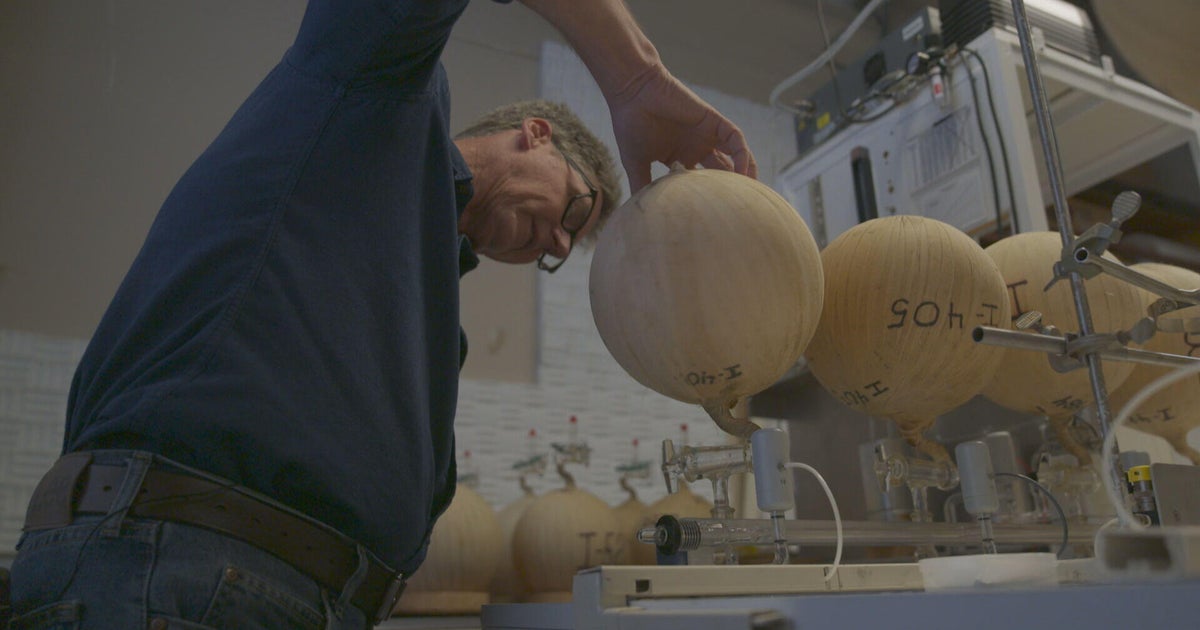
Professor Ralph Keeling, stationed at the hub his father established at the Scripps Institution of Oceanography in San Diego, perpetuates the family legacy by examining air samples gathered in globular containers from across continents.
Reflecting on his father's influence, Ralph noted, "He didn't push me towards this path, but his groundbreaking work inspired me profoundly," as he continued his analysis in La Jolla, California.
In the mid-1960s, Charles David Keeling, co-author of a pivotal report, highlighted concerns over rising atmospheric CO2 levels, attributing these developments to the massive combustion of fossil fuels.
Implications of Discontinuing CO2 Measurements
"Year after year, the dominant theme is progressively worsening records, which is alarming," Ralph Keeling expressed, emphasizing the need for continued vigilance in climate research.
The proposed budgetary constraints sought by the Trump administration imply a severe reduction in NOAA's climate research, notably the long-standing CO2 data collection initiative.
"Ceasing this critical work would be a substantial setback, not just for my efforts, but for the scientific community and the global populous," Ralph Keeling stated.
NOAA's program retrieves air samples globally, with CBS News having documented collection sites ranging from Hawaiian volcanoes to Norwegian locales, which are then analyzed at NOAA's Boulder, Colorado lab.
According to Ove Hermansen of the Norwegian Institute for Air Research, transferring samples to Colorado ensures measurements are consistent and standardized.
The Keeling Curve: A Critical Climate Indicator
The renowned Keeling Curve, named in honor of Ralph's late father, charts the unchecked surge of carbon dioxide and closely parallels global temperature increases.
The visual representation of this data, though scientifically compelling, simultaneously evokes a sense of sorrow in Ralph Keeling, as it illustrates the tangible effects of ongoing environmental changes.
Budget cuts proposed by the administration threaten the cessation of NOAA's global carbon monitoring, potentially crippling the nation's capacity to forecast climate change implications.
"Halting such a program resembles driving through a darkened street without headlights; it leaves us directionless," observed Keeling.
Leave a Reply