


FAA Safety Initiative at Newark Airport
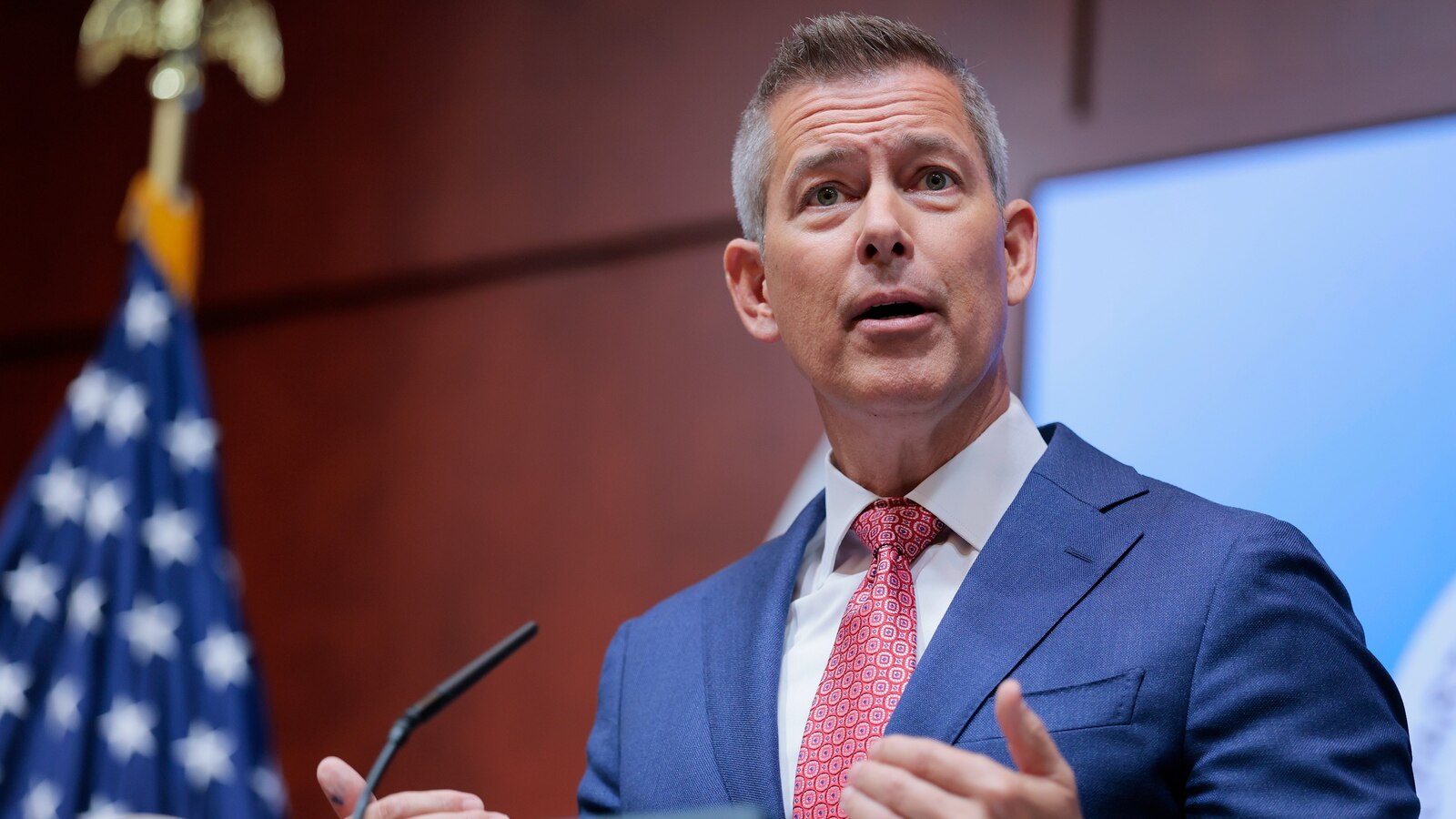
The Federal Aviation Administration (FAA) plans to temporarily reduce flights going to and from Newark Liberty International Airport. This decision is part of a series of measures, including the initiation of an emergency task force focused on enhancing safety protocols, announced recently by Transportation Secretary Sean Duffy.
Duffy attributed recent technological issues at the airport to the previous presidential administration. He alleged that improper management during the transition of air traffic control responsibilities from New York to Philadelphia—an event scheduled in 2024—was a central factor.
According to Duffy, the transition involved relocating terminal radar approach control without adequately reinforcing the telecommunications infrastructure that supports such data.
Infrastructure and Responsibility
Duffy criticized Pete Buttigieg and Joe Biden for failing to address known deficiencies in the system, suggesting that their oversight added unnecessary risk. His comments came shortly after a technical malfunction on Sunday necessitated a 45-minute cessation of flights at the airport.
Despite the incident, Duffy stated that a software update conducted just days prior on a backup system prevented what could have been an outage, ensuring redundancy in the system's lines.
The decision to temporarily halt operations was described by Duffy as a precautionary measure, demonstrating cautious operational standards.
Ongoing Technical Challenges
Acting FAA Administrator Chris Rocheleau announced at the same press event the establishment of a task force, consisting of experts from the FAA, telecommunications provider Verizon, and technology contractor L3Harris.
The intention behind this initiative is to maintain flight safety and efficiency at Newark, following a series of four recent technical disruptions.
Duffy highlighted that the aging telecommunications system had exacerbated these problems. He explained that the rapid information flow inherent in modern fiber-optic lines is throttled by outdated copper wire infrastructure.
Enhanced Communication Lines
Efforts are underway to replace these copper lines with fiber optics at airports in the region, including LaGuardia and John F. Kennedy International. Full operational status for these upgrades is anticipated by late May.
Duffy assured that three new telecommunications lines connecting New York and Philadelphia would provide enhanced reliability and redundancy, effectively allowing for seamless operations even when one line fails.
Looking Ahead: Flight Reductions
The FAA plans to meet with major airlines to deliberate on possible reductions in flight schedules, aiming to alleviate congestion and minimize delays at the airport.
During this meeting, airlines will confidentially submit proposals detailing potential cuts during peak congestion times named by the FAA.
In a related statement, United Airlines CEO Scott Kirby announced a unilateral reduction of 35 roundtrip flights daily from its Newark schedule due to staffing shortages following a recent controller outage. He noted the airport's high hourly flight number was unsustainable.
Potentially, these reductions could be effective throughout the summer, pending further discussions and final decisions.
Future Steps and Investigations
Duffy also indicated a collaborative effort with Verizon and L3Harris to quickly resolve ongoing telecommunications issues. Additionally, he has called for investigations into previous administration decisions that may have contributed to the current infrastructural challenges.
Rocheleau reassured the public of the continued safety and vigilance in monitoring the planned upgrades, maintaining the importance of the task force's role going forward.
Leave a Reply