


Critical Week for Republicans Attempting to Fulfill Trump's Legislative Goals
House Republicans near the end of arduous negotiations over a sweeping policy initiative rooted in President Trump's ambitious reform plan, touching tax, immigration, and energy sectors.
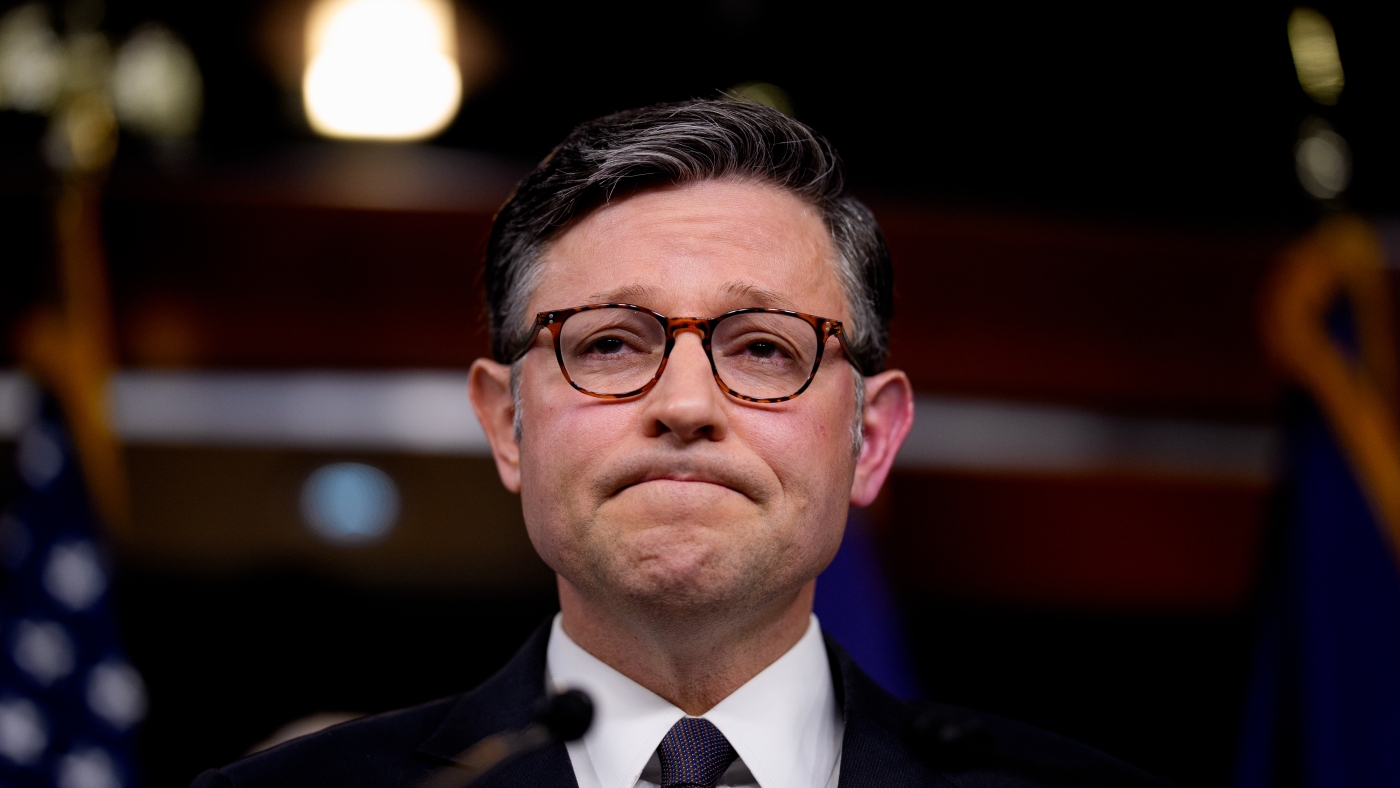
Led by House Speaker Mike Johnson of Louisiana, Republicans are racing to settle details for this comprehensive bill. However, crafting the policies has led to internal conflicts, particularly concerning issues with widespread implications for American finances and their access to healthcare.
Johnson faces the challenge of harmonizing contrasting interests within his party. On one hand, Republicans from more competitive districts worry policy changes might jeopardize their electoral chances, while on the other, more conservative members prioritize cutting the deficit and transforming government programs.
Johnson expressed optimism about finding a middle ground that would appease all factions, asserting last week that the completed legislation would appeal universally.
A target of $1.5 trillion in spending cuts has been set by Republicans to balance out the financial impact of prolonging Trump’s tax reductions from 2017. A broader Republican consensus sees a need for $2 trillion in cuts instead.
Despite ongoing discussions surrounding over twenty unresolved issues, Johnson is determined to navigate the bill through the House and to the Senate by Memorial Day, aiming for President Trump's approval by July 4.
A critical deadline looms in mid-July, when Treasury Secretary Scott Bessent anticipates Congress must raise the borrowing limit to prevent a disastrous default. This bill aims to extend the debt ceiling for five additional years.
Key Policy Areas Under Debate
Medicaid Reforms
Among the significant policy revisions under consideration are alterations to Medicaid, a vital program for low-income, elderly, and disabled individuals. The House Energy and Commerce Committee is focused on reforms receiving broad consensus among varying GOP segments.
Key proposals include implementing work mandates for able-bodied beneficiaries, modifying registration processes, and setting limits on states' abilities to levy taxes on healthcare providers to draw federal funds. There is also an emphasis on combating inefficiencies within the system.
Absent from the recommendations are radical adjustments to Medicaid's financial commitments under the Affordable Care Act. Talks persist as Republicans strive for consensus on a budget forecast to yield at least $715 billion in savings. The Congressional Budget Office predicts this would lead to millions losing health coverage over the next decade.
Permanency for Trump's Tax Cuts
Efforts are underway to make Trump’s 2017 tax cuts permanent, further fueled by promises of new tax incentives aligned with Trump's 2024 campaign. The House Ways and Means Committee has resisted increasing taxes for high earners despite previous suggestions.
Trump backtracked on raising taxes for top income earners, arguing it could be leveraged by Democrats politically, still maintaining open support for it, saying Republicans should be cautious but not opposed.
The latest bill version proposes creating a tax-exempt opportunity for younger citizens to save for education, businesses, or new homes through a "MAGA account."
State and Local Tax Deduction (SALT) Controversies
One hotly contested aspect is the cap on the state and local tax deduction, put in place with the 2017 tax law at $10,000 per annum. While Trump had pledged to abolish this limit, the financial impact complicates consensus, especially without Senate majority support.
The current debate suggests raising the cap to $30,000, but Republicans in high-tax states are lobbying for even more substantial increases, making this a pivotal point of negotiation where dissenting votes could threaten the legislation's survival.
A group of Republicans has firmly declared they will not support the passage unless SALT adjustments meet their requirements, which remains a critical leverage point as the GOP navigates its slim majority in Congress.
Proposed Changes to Food Assistance
The future of the Supplemental Nutrition Assistance Program (SNAP) is also under scrutiny, with proposals to shift more cost burdens onto state governments, potentially reducing the benefits for millions. Republicans representing politically uncertain districts are vigilant against benefit cuts that could ensue.
Leave a Reply