


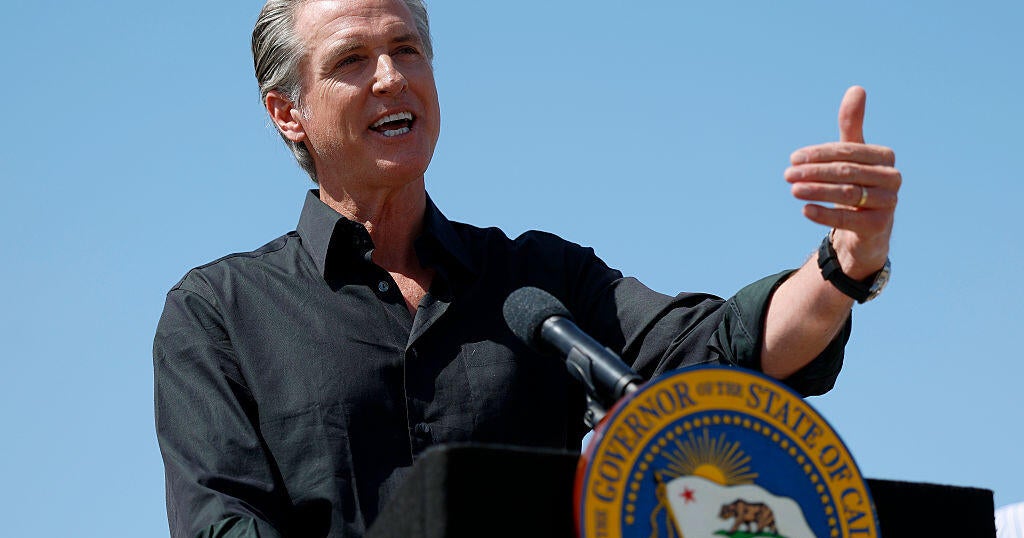
California Governor Revisits Immigrant Health Care Coverage Amid Budget Woes
California Governor Gavin Newsom finds himself re-evaluating his ambitious health care initiatives due to unexpected expenses, particularly concerning Medi-Cal's expansion for immigrants without legal status.
Health Care Financial Crisis Unfolds
Earlier this year, as debates over reducing health care for low-income Americans intensified at the national level, Governor Newsom alerted state legislators about skyrocketing health expenses tied to his expansive policies. A major factor has been covering immigrants living unlawfully in the U.S. under California's state-run health care program, Medi-Cal.
Tough Choices Ahead for Newsom
Faced with potential financial shortfalls, Newsom is caught in a difficult decision—to either withdraw health benefits from many undocumented immigrants or consider other budget reductions.
Political Implications and Pressures
Politically, Newsom's promised reforms face challenges. Despite broad condemnation of Trump-era policies, Newsom has remained reserved on detailed health policy plans, mindful of tepid public support for extending health benefits to undocumented immigrants.
Carlos Alarcon, an analyst at the California Immigrant Policy Center, notes that looming budget cuts often affect marginalized communities the hardest. As financial pressures mount, there is growing fear that hard-won benefits for such communities might be retracted.
Historical Expansion and Current Costs
The effort to widen Medi-Cal began under Governor Jerry Brown, who then extended benefits to minors without legal status. Under Newsom, this expanded to include adults, causing expenses to far exceed original forecasts. Federal funds contribute partially, covering specific costs like emergencies.
As expenses swell, notably California bears the lion’s share compared to other states. GOP leadership warns that budget reshuffles could be needed to sustain this initiative.
Contemplating Rollbacks
Faced with economic and political realities, options include halting new enrolments of undocumented immigrants, cost-sharing for treatments, or curbing benefits. Newsom, however, is not expected to announce cuts soon unless faced with federal budgetary cutbacks.
Possible Outcomes and Expert Opinions
Observers suggest cutting immigrant benefits isn't politically feasible. If compelled to reduce spending, Newsom might cite federal pressures, particularly any perceived harms from Trump administration policies, as justifications.
Mike Madrid, a political analyst, highlights the debate over whether Californians should financially support health care for undocumented groups as personal costs continue to escalate.
Long-term Impact and Predictions
Initially, the projection for extending Medi-Cal benefits appeared manageable. Latest reports, however, reflect a cost nearing four times the anticipated figure.
While official responses to these challenges remain sparse, Newsom acknowledges ongoing conversations indicating potential scaling back, contingent on future political and economic conditions.
Incremental Expansion Strategy
Newsom strategically phased Medi-Cal expansions, starting with young adult immigrants, a tactic he defended as both morally right and economically prudent. But as surpluses dwindle, the fiscal cushion these policies relied on is waning.
Technical insights show that despite efficiencies in some areas, coverage for undocumented groups generally incurs higher costs than for legal residents, with California itself covering the majority of these expenses.
As a result, former finance director Mike Genest calls for a re-assessment of the state's ability to sustain such programs financially.
Future Path and Considerations
Anthony Wright, actively opposing potential cuts, argues that ensuring health insurance for undocumented individuals prevents more significant costs and strain on emergency health systems—a viewpoint suggesting short-term expense may yield long-term fiscal benefits.
The unfolding financial scenario forces Californian leadership to re-evaluate policies, weighing the cost-effectiveness of inclusivity against budget reality.
Leave a Reply