


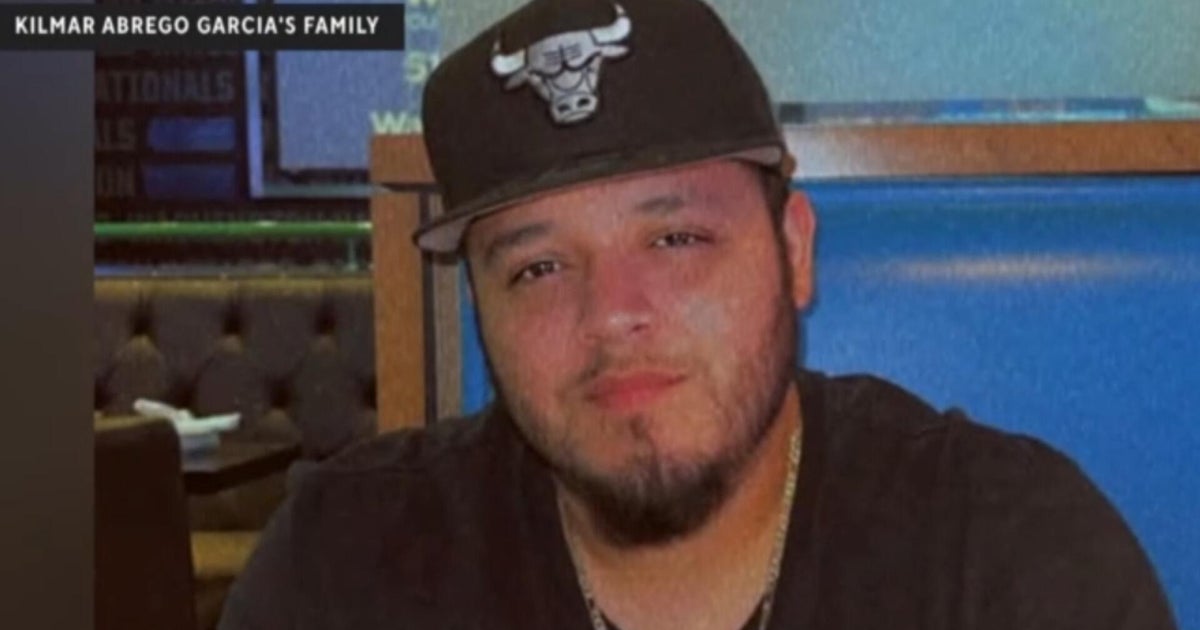
Attorneys for Abrego Garcia Accuse Trump Administration of Hindering His Release
Lawyers representing Abrego Garcia, a Maryland resident, allege that the Trump administration has obstructed efforts to secure his return to the United States. Garcia was mistakenly identified among suspected gang members and detained in El Salvador, and his legal team has struggled against government resistance to his release.
The plaintiffs have persistently sought to uncover the truth about the government's actions and abilities to bring Garcia back to the U.S., which is the central issue of their case. Despite requests for information, the government has frequently obstructed them by invoking privileges without adequate justification—such as state secrets and the deliberative process—to withhold discovery documents and instruct witnesses to avoid answering even fundamental questions. This claim was detailed in a document released late Monday.
Judge Paula Xinis has mandated that the government facilitate Garcia's release, a decision that the Supreme Court has affirmed.
Recently, the Trump administration has employed various privileges to deny Abrego Garcia's lawyers access to pertinent case information as they pursue his freedom. The Justice Department mentioned last month that they would use attorney-client privilege, state secrets, and other executive privileges to protect certain details regarding Garcia's deportation from the U.S.
The Department of Justice filed its responses to allegations of obstruction and its invocation of privileges confidentially in court.
Garcia's legal representatives argue that the application of the state secrets privilege is unwarranted.
According to his attorneys, no military or intelligence procedures are involved, and it is illogical to think that the United States' relations with El Salvador would be jeopardized by trying to bring back someone who should not have been deported.
An upcoming hearing on May 16 will allow Judge Xinis to hear further arguments about the government's claims of privilege and the lawyer's requests for further investigation.
In a preceding hearing, Judge Xinis instructed a Justice Department lawyer that whenever the administration claims privileges, they must substantiate each one, and she will decide if they hold.
In a separate yet related situation, the Trump administration invoked war powers to support deportations of Venezuelan migrants to a Salvadoran prison known as the Terrorism Confinement Center, or CECOT.
Judge Xinis had previously directed the administration to provide Garcia’s attorneys with specific documents and to allow depositions with selected officials. Some documents were initially due for submission last month, but the Trump administration filed these under court seal, prompting Xinis to extend her deadlines. She had accused the government of a 'deliberate and insincere refusal to meet discovery requirements.'
By last week, all required depositions had been completed according to Garcia's lawyers, but they expressed dissatisfaction with the responses received.
President Trump and his top administration officials have repeatedly stated that it is up to the Salvadoran authorities to decide on Garcia's release, who has been held at CECOT. As of April 21, he was reported to be detained in Santa Ana.
Garcia, who hails originally from El Salvador, entered the United States illegally in 2011 and has been residing in Maryland. In 2019, he was granted a suspension of removal, protecting him from deportation back to El Salvador due to potential persecution by local gangs.
Despite this protection, Garcia was among numerous migrants, predominantly Venezuelans, removed to CECOT in March.
Garcia's attorneys urge Judge Xinis to dismiss the government's use of the state secrets privilege and compel the Departments of Homeland Security and Justice to fully cooperate with discovery requests and deposition inquiries. They argue that privilege should not serve as a shield for governmental errors or misconduct.
Leave a Reply