


U.S. Suspends Mexican Cattle Imports Due to Parasite Concerns
The spread of the New World screwworm into Mexico has caused concern among U.S. officials.
Out of concern for a dangerous parasite, the United States has ceased importing live cattle, as well as horses and bison, across its southern border.
Agriculture Secretary Brooke Rollins revealed on Sunday that the screwworm, now spotted in southern Mexico over the past year, has prompted this action.
"Ensuring the well-being of our livestock and the integrity of our food supply is a matter of national security," Rollins emphasized in a public announcement.
"Our decision is not politically motivated or meant to penalize Mexico, but is purely about ensuring safety," she clarified.
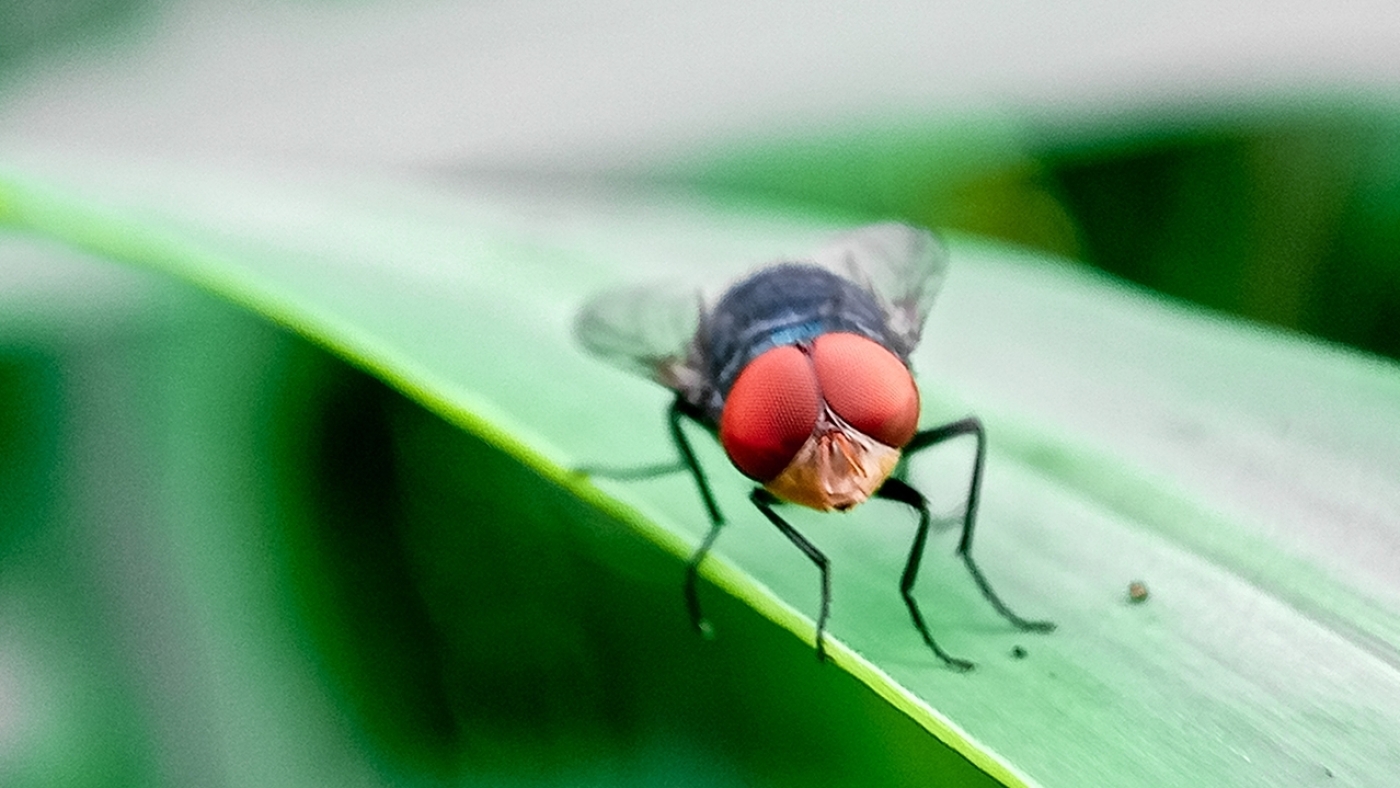
Screwworms, which are actually fly larvae, penetrate animal wounds or mucous membranes, causing severe damage.
Danger to Livestock
The larvae consume the tissue and blood of infected animals using their small mouth hooks. Without intervention, this infestation can lead to the death of cattle within a week or two.
Efforts to eradicate these pests have been ongoing for many years.
In the 1960s and 1970s, the U.S. and Mexico successfully eliminated the screwworm by introducing millions of sterilized flies to disrupt reproduction by preventing females from producing viable offspring.
Historical Outbreaks and Economic Impact
This tactic helped minimize the pest's spread in both the U.S. and Mexico, although occasional outbreaks still occurred.
A notable incident in Texas in 1976 affected over 1.4 million cattle and hundreds of thousands of sheep and goats, costing the economy a significant loss. A similar occurrence today could result in a $1.8 billion impact, according to USDA analyses.
Recent Developments
The resurgence of these pests in recent years has alarmed agriculture officials, with cases now popping up in parts of Central America and on some distant Mexican farms, about 700 miles from the U.S. border.
As a precaution, the U.S. halted the live animal trade at the border in November, resuming it in February following the establishment of new control measures with Mexico.
According to the USDA, the ongoing ban will be reviewed every month until effective containment is achieved.
Leave a Reply