


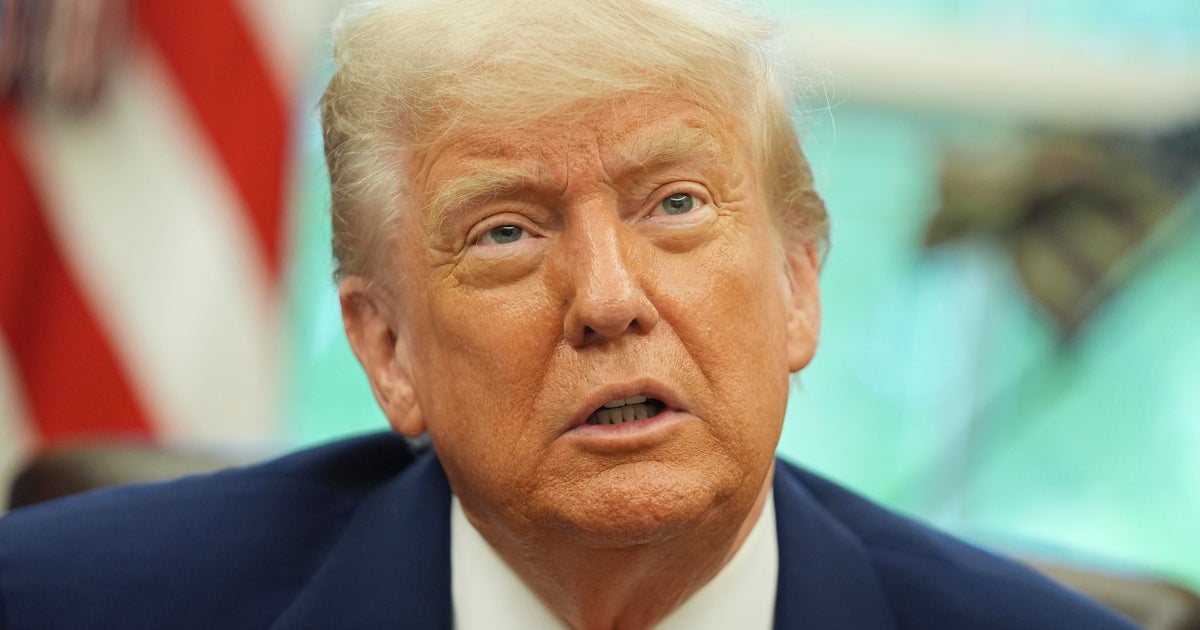
Trump Pledges to Sign Order Aligning U.S. Drug Prices with Global Rates
President Trump announced his intention to authorize an executive directive on Monday, which aims to align U.S. medication prices with the lowest international rates, targeting primarily those administered in clinical settings.
Outlined by Trump's new policy, Medicare payments for drugs provided in medical offices would match the cheapest rates paid by other countries, seeking to implement a 'Most Favored Nation' strategy.
Trump declared via his social platform on Sunday that this policy ensures fairness for the U.S., significantly reducing healthcare expenses in unprecedented ways, noting the official signing would occur at the White House.
Trump hinted at this major policy shift earlier, and the 'most favored nation' plan could substantially cut back on what the healthcare system spends on pharmaceuticals under Medicare.
Recent statements from Health and Human Services Secretary Robert F. Kennedy Jr. alluded to this plan, pointing out current pricing disparities, particularly concerning diabetic treatments.
Kennedy mentioned ongoing negotiations with pharmaceutical companies aimed at reducing prices enough to potentially conduct pilot programs or expand access under government-subsidized healthcare.
However, Kennedy cautioned that extensive cost coverage by government programs could double insurance expenses for many U.S. employers, potentially causing significant economic upheaval.
The prospective order is set to affect specific medications, such as those used to combat severe illnesses like cancer. Trump claimed these measures could save the government vast sums, although specifics remain undefined.
Medicare, which provides health coverage for about 70 million seniors, has long faced criticism over high drug prices compared to other affluent nations, yet comprehensive reforms have struggled to pass in Congress.
This plan would tie the U.S. payments to those made by a coalition of wealthy countries, but faces strong opposition from the pharmaceutical industry, which argues that such controls could stifle innovation.
Similar efforts in Trump's previous term were halted by legal challenges citing procedural oversights and were not revisited by the current administration due to various stakeholder concerns.
The policy's scope is largely confined to Medicare Part B, relating to treatments administered during medical visits, with beneficiaries shouldering part of the costs, potentially without a cap on out-of-pocket expenses.
Reports from the previous administration showed that the U.S. bore higher costs than other nations for similar drugs, with Part B spending exceeding $33 billion in 2021.
Routine prescriptions obtained at retail pharmacies are unlikely to be impacted by this new directive.
Reflecting on his first term, Trump criticized pharmaceutical firms for overpricing and accused them of exploiting American consumers, drawing a stark contrast with price-regulated nations abroad.
On Sunday, Trump reiterated this criticism, denouncing the industry's justification of high costs as a burden solely borne by U.S. consumers, dismissing their lobbying influence over him or his administration.
Concluding his statement, Trump affirmed his commitment to pursuing equitable pricing reforms.
Leave a Reply