


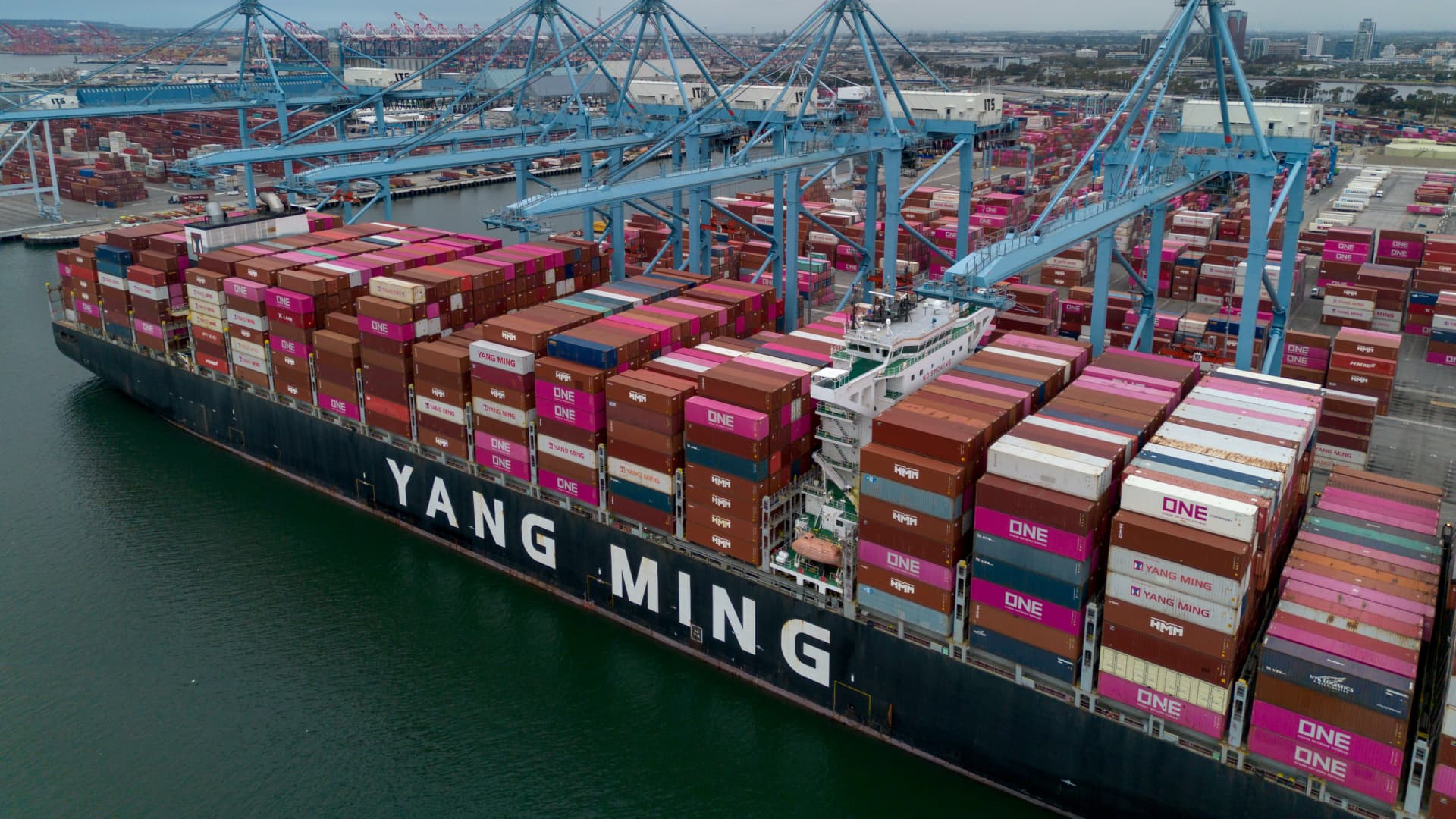
Trade Dynamics Amid Tariff Changes
Retailers and logistics leaders predict a burst in trade activity between China and the United States, prompted by a recent trade agreement. This deal eases the harshest tariffs, enticing importers to accelerate their shipments.
Despite the suspension of high-level tariffs, fundamental duties remain. Businesses continue to navigate a landscape where 10% tariffs persist, alongside specific 20% rates linked to products like fentanyl.
Immediate Effects of the Tariff Pause
Paul Brashier, a leading figure at ITS Logistics, anticipates an influx of shipping containers from China within a month to six weeks. The temporary stall in tariffs serves as a critical stage for companies strategizing their supply chain operations.
While smaller businesses might find temporary relief, they remain tethered to unpredictable policy shifts.
Impact on Shipping Rates and Business Costs
Judah Levine from Freightos notes past patterns where lower tariffs have surged shipping activities. Present tariffs, albeit reduced, drive a race to satisfy consumer demand before potential tariff hikes.
The current climate suggests an inevitable spike in container rates, in part due to pent-up demand, according to Rick Muskat of Deer Stags, as they prepare for seasonal shipments.
Broader Economic Implications
The logistics landscape is marked by surplus costs, compelling businesses to potentially pass these increases down to consumers to maintain margins.
Alan Baer, leading OL USA, reflects on the 30% tariff as a formidable hurdle in product profitability, highlighting the rising difficulty in logistics as sailing frequencies diminish.
With the majority of vessels cut back, industries face compounded challenges in managing costs amid shifting freight capacities.
Future of Trade and Industry Expectations
In the apparel sector, Steve Lamar predicts challenges ahead, despite the beneficial pause, due to entrenched tariffs influencing pricing for back-to-school and holiday seasons.
Matt Priest calls for government action to alleviate these burdens, especially with specific goods like children's footwear already grappling under significant duties.
Sector-Specific Impacts
Chemical distribution heads report acute inventory shortages, urging rushed replenishments as they work through importation delays.
Strategic industries like manufacturing are bracing for intensified ordering to meet 2026 deadlines, with supply chain agility critical for adaptation.
Readjusting Economic Predictions
A potential increase in ocean freight rates looms as the market responds to demand surges from diminished capacities. Xeneta's analysis indicates potential short-term freighting price escalations.
Ports like Virginia are revisiting past models to better handle an expected rise in container arrivals from China. Industry experts emphasize the need for a predictable trade framework to effectively craft long-term strategies.
In Pursuit of Stability
Matthew Shay expresses that the tariff hiatus provides needed respite for the retail sector, yet acknowledges businesses continue to seek assurances before committing to longstanding investments.
As firms recalibrate risk strategies in view of past disruptions like the pandemic, the call for stable policy commitment remains vital. The uncertainty in trade relations persists as a prominent challenge for ongoing business operations.
Leave a Reply