


Exploring Changes in Student Loan Repayment Plans
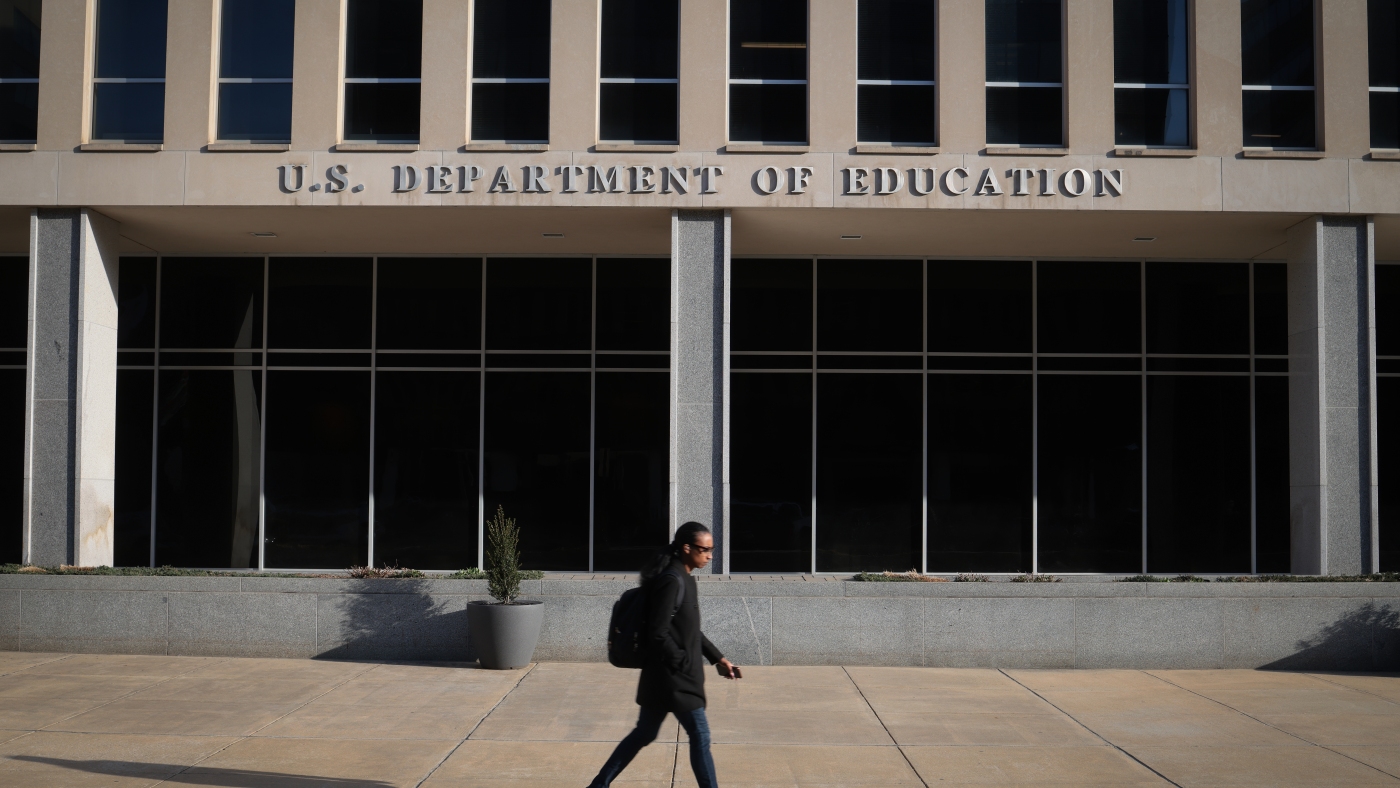
The federal student loan system, overseen by the U.S. Education Department's Federal Student Aid office, is poised for significant transformation, as proposed by Congressional Republicans.
A major restructuring of this program, set to be one of the most impactful yet, would dramatically influence the repayment strategies available to millions of borrowers.
Central to this reform is reducing the existing plethora of repayment plans to just two fundamental options. New borrowers would need to choose between fixed monthly payments or those scaled according to their earnings.
Proposed Plans Under the Republican Initiative
The modification is a segment of a greater Republican budget package which, aside from revising loan repayments, aims to renew the 2017 tax cuts implemented by the Trump administration.
Should you wish to delve into the specifics of the proposed framework, the following outlines how Republicans envision reshaping student loan repayment structures:
A. The Simplified Standard Plan
This revamped standard plan would offer a repayment timeline ranging from 10 to 25 years, based on the loan amount. Monthly payments would be consistent, akin to a mortgage, thus simplifying the repayment process.
While current borrowers won’t be able to choose this new plan, they will still have access to pre-existing plans with durations between 10 and 30 years.
B. The Income-Based Plan
For those struggling to handle fixed monthly dues, the Republicans intend to introduce a Repayment Assistance Plan, taking into account both prospective and current borrowers.
This plan calculates payments based on the borrower’s adjusted gross income (AGI), creating scaled obligations that increase with income. Lower-income individuals would pay as little as $10 monthly, with contributions scaling up to 10% of AGI for earners of $100,000 or more.
Though this new system departs from the Obama-era plan by introducing a $10 minimum monthly payment, potentially affecting the most vulnerable, it’s argued to maintain connection with financial responsibilities.
Implications and Concerns
This new minimum is viewed skeptically by advocates like Roxanne Garza of EdTrust, who claim it might force lower-income borrowers into default due to the financial strain of a mandatory annual $120 payment.
Under this framework, any shortfall in interest payments would be forgiven, and additional government contributions would reduce the principal for payments under $50 monthly. This strategy offers incremental loan forgiveness over time.
Though the prior systems offered forgiveness after two decades, this proposal increases the requisite term to 30 years. Payments made before this transition will count toward this new requirement.
For graduate debtors, the alterations could mean higher upfront payments with extended forgiveness periods, potentially leading to full debt settlements before forgiveness kicks in.
Options for Existing Borrowers
Borrowers existing before July 1, 2026, will still have the luxury of utilizing various legacy plans, including the IBR and an older version of the standard plan.
While the new Repayment Assistance Plan seems to offer lower monthly payments compared to IBR for most, those nearing forgiveness on old plans might prefer IBR to swiftly reach their forgiveness milestone.
Leave a Reply