


Episcopal Church Ends Refugee Resettlement Amidst Moral Disagreement
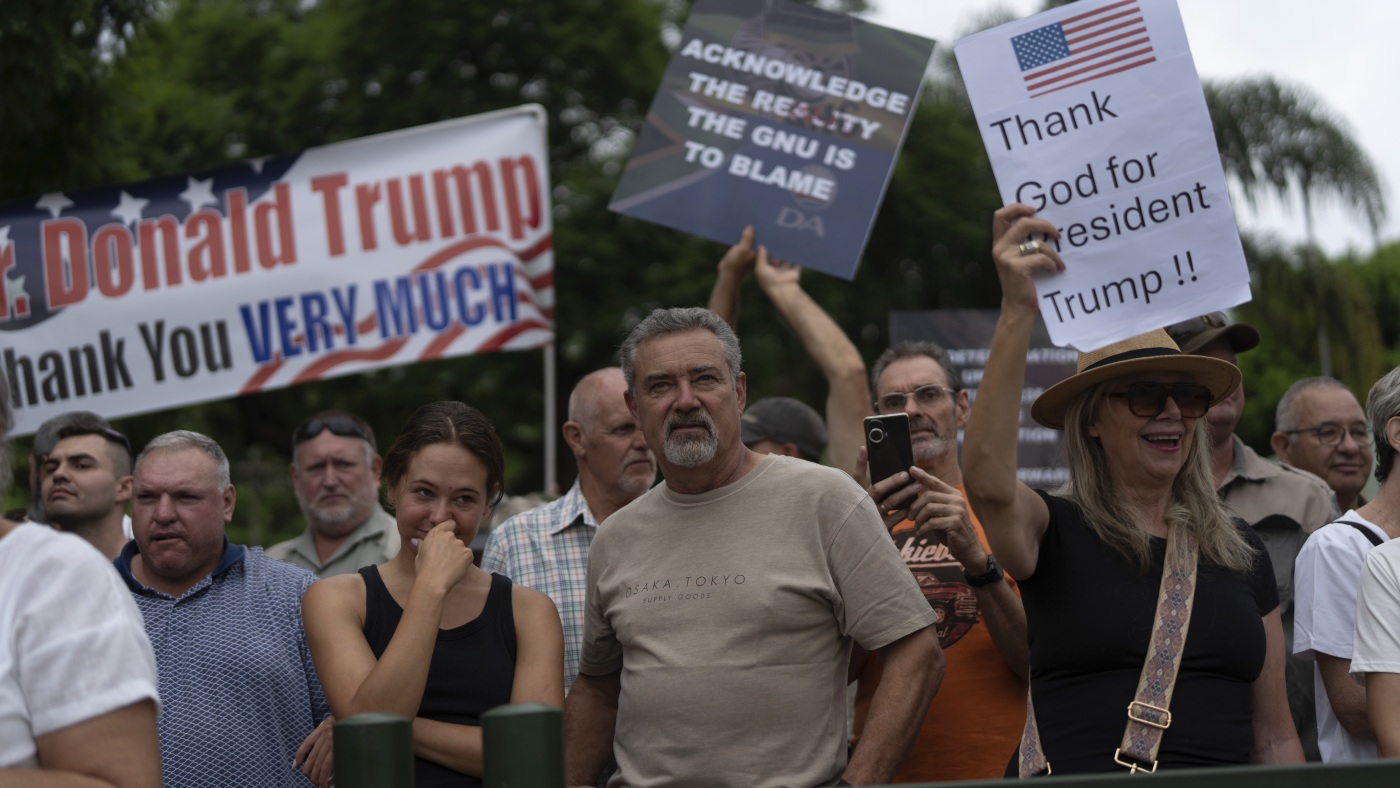
In a bold decision that disrupts a relationship spanning close to 40 years with the federal government, the Episcopal Church has revealed its intention to cease its involvement in refugee resettlement activities, citing ethical objections. This decision particularly focuses on the resettlement of white Afrikaners from South Africa, who have recently been classified as refugees under policies set by the Trump administration.
Bishop Sean W. Rowe, the leading figure in the Episcopal Church, conveyed this message to congregants, explaining that federal authorities have directed the Church's Migration Ministries to assist in the resettlement of these Afrikaners, a mandate which clashes with the Church’s moral stance.
Rooted deeply in its commitment to promote racial justice and reconciliation, alongside its historic alliances with the Anglican Church in Southern Africa, the Episcopal Church made the challenging decision to finish its federal refugee resettlement agreements by the close of the current fiscal year.
Although ceasing these particular services, the Episcopal Church remains dedicated to supporting immigrants and refugees through other avenues, ensuring those already within U.S. borders continue to receive aid and assistance.
The timing of this announcement coincides with imminent arrivals of Afrikaners at U.S. airports, following President Trump's directive to accept individuals claiming racial discrimination. However, this has prompted significant resistance and public refutation from South African authorities and religious leaders.
The narrative pushed by the Trump administration—alleging that Afrikaners face violence and persecution, partly due to land reform laws in South Africa—has been challenged by white religious figures in South Africa, highlighting a complex political landscape.
The Episcopal Church’s historical engagement with anti-apartheid efforts shapes its current moral stance. The Church was an early adversary of South Africa's discriminatory policies and actively worked to sever financial ties with entities supporting the apartheid regime.
While the refugee program contends with significant constraints due to broader policy freezes, Afrikaners seem to form a unique exception, a move that reshapes the landscape of U.S. intake procedures under Trump's rule.
Organizations like Church World Service continue to voice their discontent, critiquing the selective processing of refugee applications and urging more equitable treatment for all displaced communities in urgent need.
Matthew Soerens of World Relief emphasizes ongoing advocacy efforts, calling for the restoration of broad-based refugee resettlement initiatives. His perspective reflects a broader evangelical community commitment to religious and political freedom for all persecuted identities.
Leave a Reply