


US Ceases Mexican Cattle Imports Due to Screwworm Threat
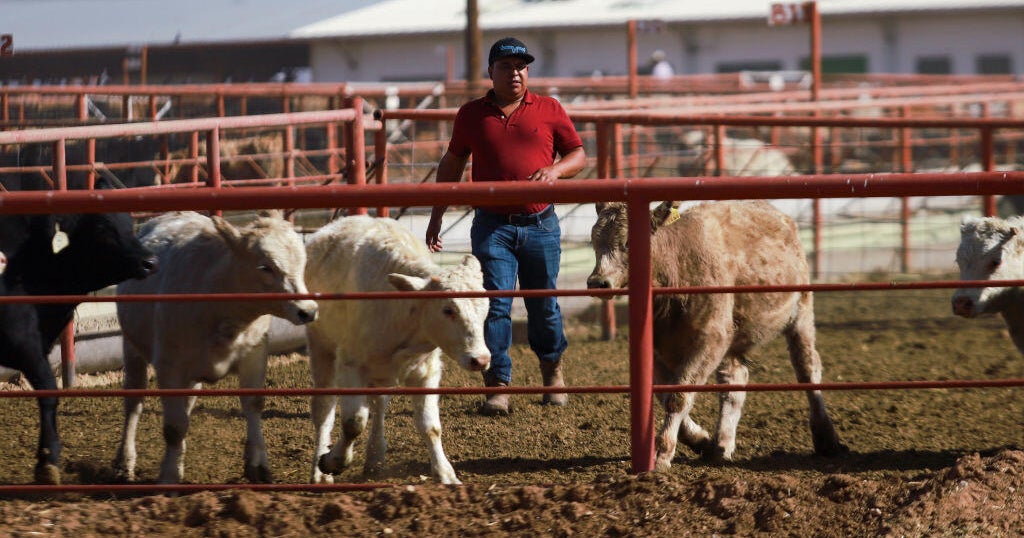
The United States has instituted a temporary suspension—lasting at least a fortnight—on the importation of live cattle from Mexico via its southern border checkpoints. This pause aims to reassess collaborative measures against the screwworm menace, as announced by the U.S. Department of Agriculture.
Agriculture Secretary Brooke Rollins expressed concern over the recent discovery of this hazardous parasite in distant regions such as Oaxaca and Veracruz, located approximately 700 miles from the American border.
Rollins emphasized the critical nature of safeguarding livestock and ensuring national food security, noting that reopening trade channels will depend on the efficacy of enhanced monitoring and eradication efforts. She clarified that the decision is driven solely by animal and public health concerns, not international politics.
In response, Julio Berdegué, Mexico's Agriculture Secretary, shared via social media that he has communicated with Rollins regarding this resolution. He voiced disagreement but remains optimistic about achieving a mutually agreeable solution shortly.
Understanding the Screwworm Issue
The screwworm is the larval stage of the Cochliomyia hominivorax fly, notorious for infesting the tissue of any warm-blooded host, humans included. Infestation is marked by severe wounds and tissue necrosis, which can prove fatal.
Following a confirmed human case of screwworm-related illness in Chiapas, Mexico's Health Ministry has issued an epidemiological alert. Similarly, earlier this year, a warning was released by the Texas Parks and Wildlife Department concerning potentially affected animals.
Previously, in late November, the import of Mexican cattle was halted due to the screwworm's presence, but the restriction was lifted in February once inspection protocols were implemented.
Despite these measures, the screwworm's northward spread is alarming, prompting the USDA to call for more decisive action to curb its advance. Over the past two years, the pest has moved from Panama through Central America, reaching as far north as Mexico.
Leave a Reply