


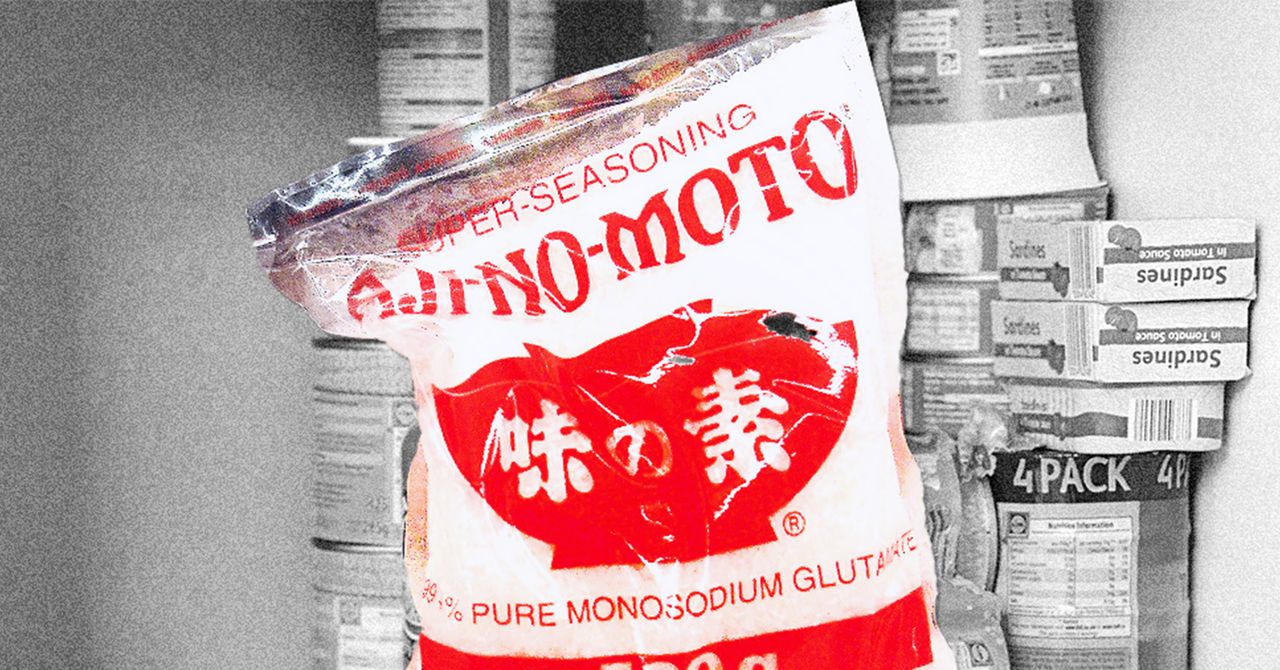
Rediscovering MSG: A New Culinary Frontier
For many years, monosodium glutamate (MSG) has been met with skepticism and misunderstanding in the United States. Divorced from its contextually rich roots in Asian cuisine, the additive suffered from baseless negative stereotypes. Recently, however, a wave of culinary literature is shifting perceptions, celebrating MSG's capacity to elevate dishes with unparalleled umami.
One evening, my partner Elisabeth crafted a simple, yet vibrant cucumber salad, punctuated with chili, salt, sugar, vinegar, and boosted by the often-overlooked MSG. The result was an enhanced taste sensation that sparked curiosity about the newfound culinary trends surrounding MSG.
A noticeable movement is portrayed within the latest cookbooks. Notable examples include the latest work by Calvin Eng and Phoebe Melnick, which joyfully integrates MSG within its vibrant Cantonese-American dishes. Likewise, Tu David Phu and Soleil Ho advocate its use in a range of dishes slated for 2024, while Meathead Goldwyn makes a persuasive case for MSG in various recipes of his current release.
Delving into recipe collections online shows chefs like El-Waylly implementing MSG in diverse ways, from soups to innovative dips. Helen Graves curates a unique MSG martini offering that pushes culinary creativity to the forefront.
Reframing Flavor
The praise for MSG rests on its chemistry and its ability to deepen flavors profoundly. Chef Calvin Eng, a self-proclaimed enthusiast, regularly includes MSG alongside salt and sugar, testifying to its remarkable ability to transform culinary experiences. Through practical application, like comparing broth with traditional seasoning versus MSG-enhanced, the profound difference becomes apparent.
Eng suggests an approach for home cooks to begin their MSG journey: keep it as a staple seasoning near the salt and adjust proportions gradually. Experiment with the amalgamation of salt's depth and MSG's rounded umami to appreciate its power.
Science Behind the Taste
Understanding MSG starts with its origin: it is a derivative of glutamic acid, prevalent in savory foods like tomatoes and parmesan. According to David Zilber, a chef turned scientist, MSG resonates closely with our biological urges for palatable and digestible nutrients—a phenomenon manipulated brilliantly in snacks like Cheetos.
Although historically tarnished by dubious claims—popularized by myths such as the "Chinese Restaurant Syndrome"—current enlightenment is rooted in scientific discourse. It illustrates how overdose fear is like that of any seasoning: moderation is key.
Revamping MSG’s image requires proactive advocacy. Chefs are starting to prominently feature it in their works, prompting home cooks to be open-minded and explore its culinary delights.
In the Kitchen: From Theory to Practice
Engaging with the culinary wisdom of contemporary cookbooks encourages practical applications at home. Dishes like a refreshing cucumber salad or buttery popcorn enriched with MSG delineate how a relatively simple additive can transform meals.
With MSG in hand, inspired cooks are empowered to create tantalizing dishes that fully express their ingredients' potential. While its ubiquity alongside table salt may be a journey, MSG enthusiasts, led by chefs like Eng, advocate for an open table conversation around its benefits.
Inviting MSG into your kitchen repertoire promises a culinary adventure into layered flavors and broadened palates—an invitation that many are ready to accept.
Leave a Reply