


Innovative Technology to Restore Functionality After Spinal Cord Injuries
Anderson Cooper: On this episode of 60 Minutes, we delve into initiatives aimed at enabling individuals with significant spinal cord injuries to regain the ability to walk. These efforts focus on not just restoring movement, but empowering individuals to use their thoughts to control limb motions.
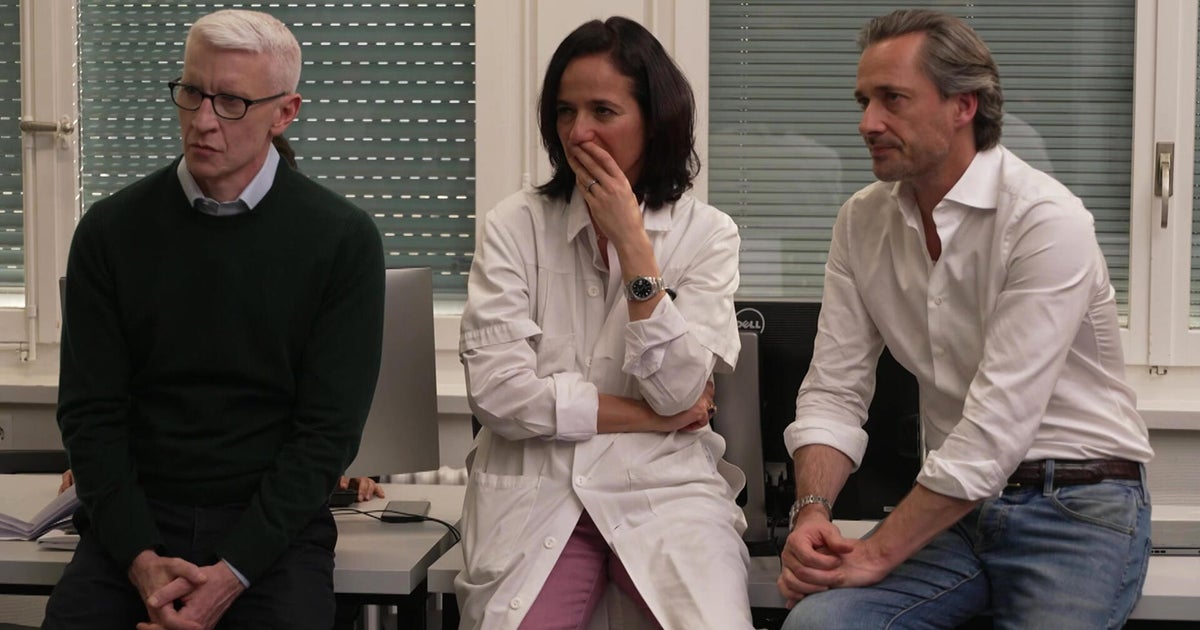
A collaboration between French neuroscientist Gregoire Courtine and Swiss neurosurgeon Dr. Jocelyne Bloch at their Lausanne-based NeuroRestore lab has given rise to what they term a digital bridge.
Dave Marver: When an injury occurs, it disrupts the communication pathway between the brain and the spinal cord, which manages movement and various other bodily functions.
Anderson Cooper: Onward Medical, led by CEO Dave Marver, is the company through which Dr. Bloch and Gregoire Courtine aim to transition this technology from laboratory research to practical market application.
Dave Marver: A digital bridge bypasses the site of the injury, transmitting signals wirelessly from the brain to undamaged regions of the spinal cord, thus enabling movement and other essential functions.
Anderson Cooper: While regaining the ability to walk is often perceived as the foremost goal, those who are paralyzed face a multitude of significant daily challenges.
Dave Marver: To the public, walking may appear to be the most critical concern. However, more pressing needs include performing daily activities like using the restroom without assistance, resuming sexual function, and stabilizing blood pressure and body temperature. Following a spinal cord injury, individuals frequently suffer from low blood pressure, making it hard to remain upright without fainting, complicating their daily routines significantly.
Jocelyne Bloch: Proper blood pressure regulation involves the nervous system, which operates through the spinal cord.
Gregoire Courtine: We've identified specific spinal cord regions that influence blood pressure. Our technology adapts spinal cord stimulation to alleviate hypotensive symptoms following spinal cord injuries. The same principle is being explored for improving bladder functions, which presents a substantial challenge for those affected.
Anderson Cooper: While spinal cord stimulators show potential for aiding those with Parkinson's disease, we're still in early stages of clinical trials. Nonetheless, it has begun to restore some mobility among patients in advanced stages.
Gregoire Courtine: For Parkinson's, despite the brain sending garbled signals, the spinal cord remains intact. This raised the question of whether spinal cord stimulation could coordinate walking. Remarkably, with the spinal cord still functional, stimulation allowed patients to achieve almost normal walking.
Anderson Cooper: Was that with or without a brain implant?
Gregoire Courtine: In this instance, it solely involved spinal cord stimulation.
Anderson Cooper: It's important to emphasize the lengthy journey ahead before this technology can be broadly implemented, a goal held by Bloch and Courtine.
Jocelyne Bloch: True success would be extending this treatment universally to all patients in need.
Gregoire Courtine: The key obstacle lies in executing clinical trials to confirm safety and effectiveness, securing regulatory authorization from agencies like the FDA and the EU, and ensuring the treatment remains user-friendly for wider adoption.
Jocelyne Bloch: Our ultimate aim is treatment simplicity, allowing any patient to easily access and benefit from it.
Anderson Cooper: Looking a decade forward, how does this vision materialize?
Dave Marver: Ideally, spinal cord injury patients can engage with healthcare professionals to outline recovery goals from a selection of options: restoring hand functions, stabilizing blood pressure, and addressing incontinence or sexual functionality. Our aim is to facilitate solutions for each of these issues. That's the future we're working towards.
Leave a Reply