


Identity Theft Rings Depleting Government Funds
The issue of fraud is much more damaging and intricate than many acknowledge. A fraud prevention expert, Linda Miller, who has notable experience from her work at the Government Accountability Office, points out the cost of deception currently approaches a staggering trillion dollars annually. This predicament often involves sophisticated criminal networks operating internationally, rather than just individuals providing false information to qualify for programs such as unemployment benefits.
"We're encountering international syndicates," Miller elucidates. "They are organized groups profiting off American identities for illicit financial schemes."
The Pandemic Catalyst for Fraud
During the COVID-19 crisis, as the government infused massive economic relief into society, the avenues for fraud multiplied. Although designed to aid individuals in hardship, the hastily digitized relief application processes provided fertile ground for exploitation. Consequently, scam artists, cybercriminals, and global fraud networks seized the opportunity to exploit these efforts.
Miller, serving on a committee to oversee pandemic funds, anticipated these vulnerabilities. "The dispersal of funds felt indiscriminate, like tossing dollars into the wind," she remarked.
With estimates suggesting losses exceeded $1 trillion, this represented the largest fraud case recorded in the nation’s history. A significant portion of this money ended up in countries historically adversarial to the U.S., such as China and Russia.
Large segments of fraudulent operations impersonated Americans using pilfered personal information. For example, a prominent case resolved by the FBI involved international cybercriminals using such data to manipulate digital transactions.
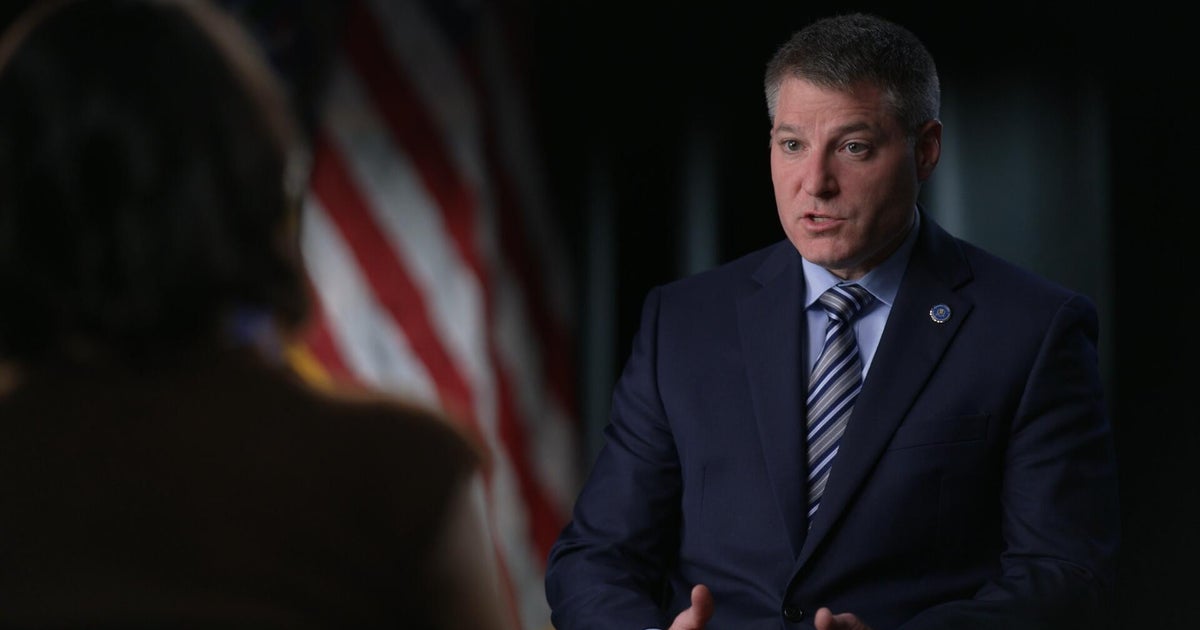
According to Bryan Vorndran of the FBI’s cyber division, the abundance of personal data readily available on the dark web amplifies the risk, making the federal government a significant target due to its monetary resources.
Complex and Elusive Networks
Some cyber criminals suspected of fraud are state-sponsored, making them less likely to face repercussions. These groups, such as China’s APT41, are dubbed "digital outlaws of the new era," enjoying immunity within their home countries despite their illicit activities.
In a notable instance from 2021, APT41 accessed and defrauded numerous state unemployment systems, rerouting funds back to China through fraudulent shell companies.
Although the FBI estimates about $60 million was siphoned, recovering these funds has proved challenging.
Complex and often impenetrable schemes render the true financial impact uncertain, but officials rank China as a prominent locale for misappropriated taxpayer funds. Despite some successes in capturing these illicit operatives, the sheer number of criminals overshadows government efforts.
Impact on True Identity Owners
Anti-fraud groups report ongoing attacks on governmental aid using various digital tools. Fraudsters relentlessly pursue financial loopholes, adapting swiftly to circumvent evolving security improvements.
Such scams disproportionately target disaster relief efforts. Criminals exploit impacted area information to file false claims, utilizing purchased identities.
Rich and Deann Wilken, affected by wildfires in California, experienced identity fraud first-hand. Despite applying for governmental disaster aid, changes in their application prevented assistance due to identity tampering.
Communications with FEMA confirmed these suspicions, locking the Wilkens out of their account. This has left them and others in similar situations, awaiting resolution with dim prospects of compensation.
Evaluating Fraud Control Efforts
When the Department of Government Efficiency was initiated under the Trump administration, its purpose was to minimize fraud in federal programs. While this creation was applauded, concerns remain about conflating fraud with unclear spending priorities. Linda Miller emphasizes that financial misallocation differs from fraudulent activities that must be legally established as deceitful.
While disorder within USAID or similar programs may not equate to fraud, significant savings are possible if focus is placed on proven cases of deception.
Though the department claims substantial taxpayer savings, questions about these figures’ accuracy highlight the ongoing challenges in fraud prevention. Meanwhile, signs point to some effectiveness in improved inter-agency cooperation to thwart fraudsters.
The broader strategy's success remains uncertain and under scrutiny as stakeholders gauge its potential impact.
Leave a Reply