


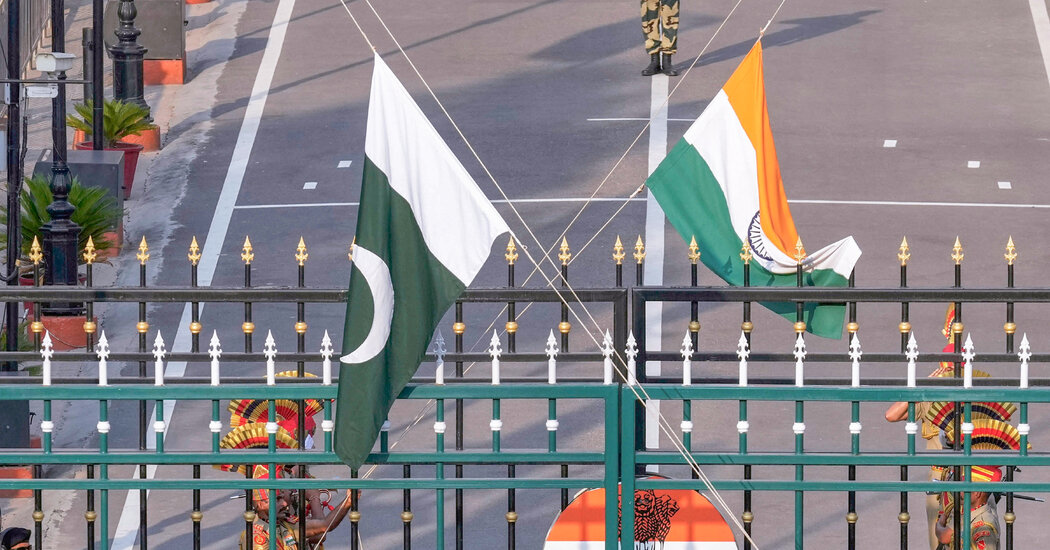
The Escalating India-Pakistan Tensions: A New Hazardous Epoch
India and Pakistan often find their age-old conflict dismissed as a repetitive saga of discord over Kashmir and religion, resulting in sporadic border skirmishes. This sentiment is echoed by leaders like former President Trump, who once remarked about their thousand-year conflict history, albeit inaccurately.
For much of their history, the cycle of confrontation between Muslim-majority Pakistan and Hindu-majority India was managed through subsequent diplomatic engagements, frequently aided by international mediators like the U.S. Even when these skirmishes escalated, a system of checks ensured that nuclear confrontation was averted.
A Diplomatic Void
Today, however, this cycle of diplomacy is eroding. The recent surge in hostility, ignited by a terrorist attack that claimed 26 lives in Kashmir, underscores a disturbing transformation in the Indo-Pakistani dynamics. This transformation has effectively erased the diplomatic channels which previously prevented widespread conflict.
The divergence in the paths of these two nations sheds light on this shift.
India's Ascendancy and Outlook
India, riding the waves of economic and geopolitical success, is led by Narendra Modi, a Hindu nationalist leader who envisions India as a burgeoning global force. This vision has resulted in a resolute stance from New Delhi, which now perceives Pakistan as more than a mere irritant—it's an obstruction to India’s ascension. With dwindling patience, India disputes Pakistan’s territorial claims over Kashmir and its backing of anti-Indian militancy.
Pakistan's Resilient Stand
Conversely, Pakistan has struggled with persistent economic and political turmoil, overshadowed by the military’s domination in governance. Despite its difficulties, Pakistan remains determined to maintain its status as a regional power, refusing to concede to India on critical issues like Kashmir, which are fundamental to its national ethos.
Historical Practicality and Present Risks
Historically, it was Indian forbearance in the face of Pakistani provocations that upheld a tense balance. Even in extreme cases like the 2008 Mumbai attacks by Pakistan-based militants, causing substantial loss of life, India's reaction remained restrained.
Now, with India’s growing assertiveness and Pakistan's unyielding stance, the region is skating on thin ice, posing a significant threat not just locally but also internationally, including to U.S. interests.
Leave a Reply