


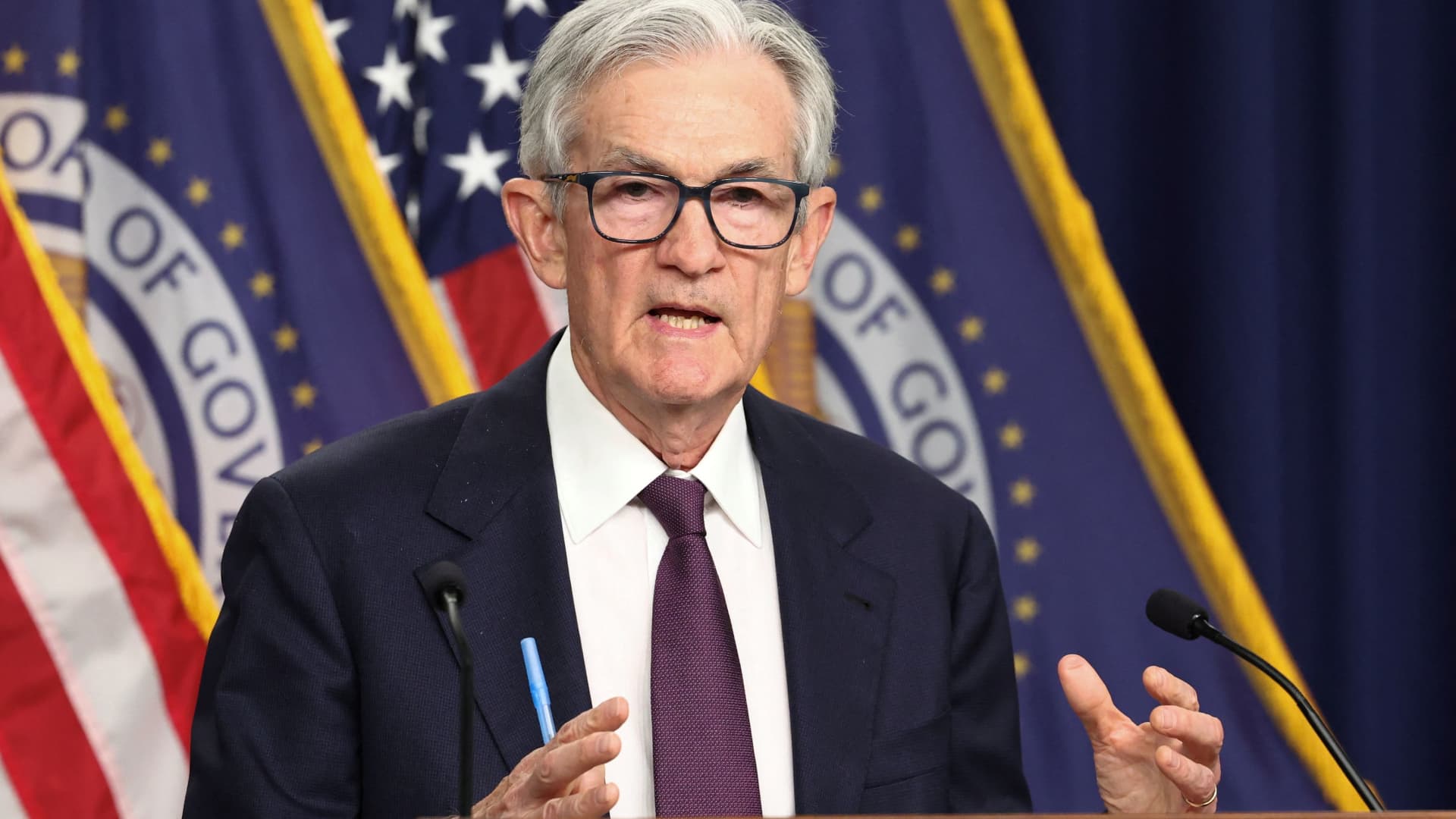
Powell Faces 'Too Late' Challenge Despite Taking Correct Actions
History tends to repeat itself when it comes to U.S. central banking, suggesting that Donald Trump's label of 'Too Late' for Federal Reserve Chair Jerome Powell might indeed have some merit. If Powell earns this label, he will not be breaking new ground.
Central bank leaders have consistently hesitated, often postponing rate adjustments until compelling evidence practically compels their hand.
We've seen such caution before — Arthur Burns kept rates low amid the 1970s stagflation fears, Alan Greenspan was tardy in reacting to the '90s internet bubble, and Ben Bernanke dismissed the subprime housing threat before the 2008 crash. These instances illustrate a tendency for measured, slow responses absent undeniable data.
Economists worry Powell might also earn the 'Too Late' label as he navigates the twin pressures of high employment and stable inflation — a unique set of challenges.
In fact, for many, inaction seems the best course for Powell at present.
A History of Caution
Dan North, Allianz Trade North America's senior economist, summed it up by pointing out that the Federal Reserve has historically been slow both in tightening and easing. He argues that the need to ensure policies are mistake-free has often resulted in overdue actions, typically coinciding with an onset of economic recession.
However, with Trump's trade policies adding uncertainty to both economic growth and inflation forecasts, Powell’s current approach of non-action might seem the most prudent until further clarity emerges.
North emphasized that Powell is caught in a quandary, trying to balance the Fed's dual responsibilities amidst unpredictable variables, hence seeing inaction as the right choice since any direction taken might eventually prove errant.
Cutting Interest Rates: Trump's Demand
President Trump, despite acknowledging the economy's robustness regardless of Fed actions, has pressured for rate cuts, claiming inflation is effectively a non-issue.
Following the Fed decision to maintain rates, Trump criticized Powell, dubbing him 'Too Late Jerome' and asserting his lack of insight, despite March showing no significant inflation rise per the Fed's preferred measures.
Impact of Tariffs and Market Trends
Though the tariffs are fresh and their effects not fully integrated into the economy, current survey data indicate no immediate inflation surge or economic slowdown. Yet, a noteworthy majority of S&P 500 companies have noted tariff-related concerns during earnings announcements.
Powell has, however, maintained confidence in the economy’s foundational health and robust employment landscape, labeling them stable and supportive of the Fed’s goals.
Reluctance for Pre-Emptive Rate Reductions
The Federal Reserve Chair has openly rejected the prospect of cutting rates preemptively, despite market sentiment surveys pointing towards such actions.
Krishna Guha of Evercore ISI conveyed that Powell offered dual rationales for his caution. The first reason—no harm in waiting—might lead to future issues; the second—uncertainty about the correct course—resonates more reasonably.
Powell's earlier hesitance, particularly with the inflation surge in 2021 which was deemed temporary, still lingers over current decisions. The subsequent aggressive rate hikes have yet to reign in inflation to the target levels.
Joseph LaVorgna from SMBC Nikko Securities, also Trump's first-term economic advisor, critiques the Fed's current reliance on labor market signals, warning that such dependency inherently ensures delayed responses, as employment metrics notoriously lag in indicating recessions.
The historical precedent indicates a risk of yet another untimely response, as policymakers juggle tariff impacts without clear foresight.
Leave a Reply