


Vice President Vance's Position on India-Pakistan Conflict: A Shift in Responsibility?
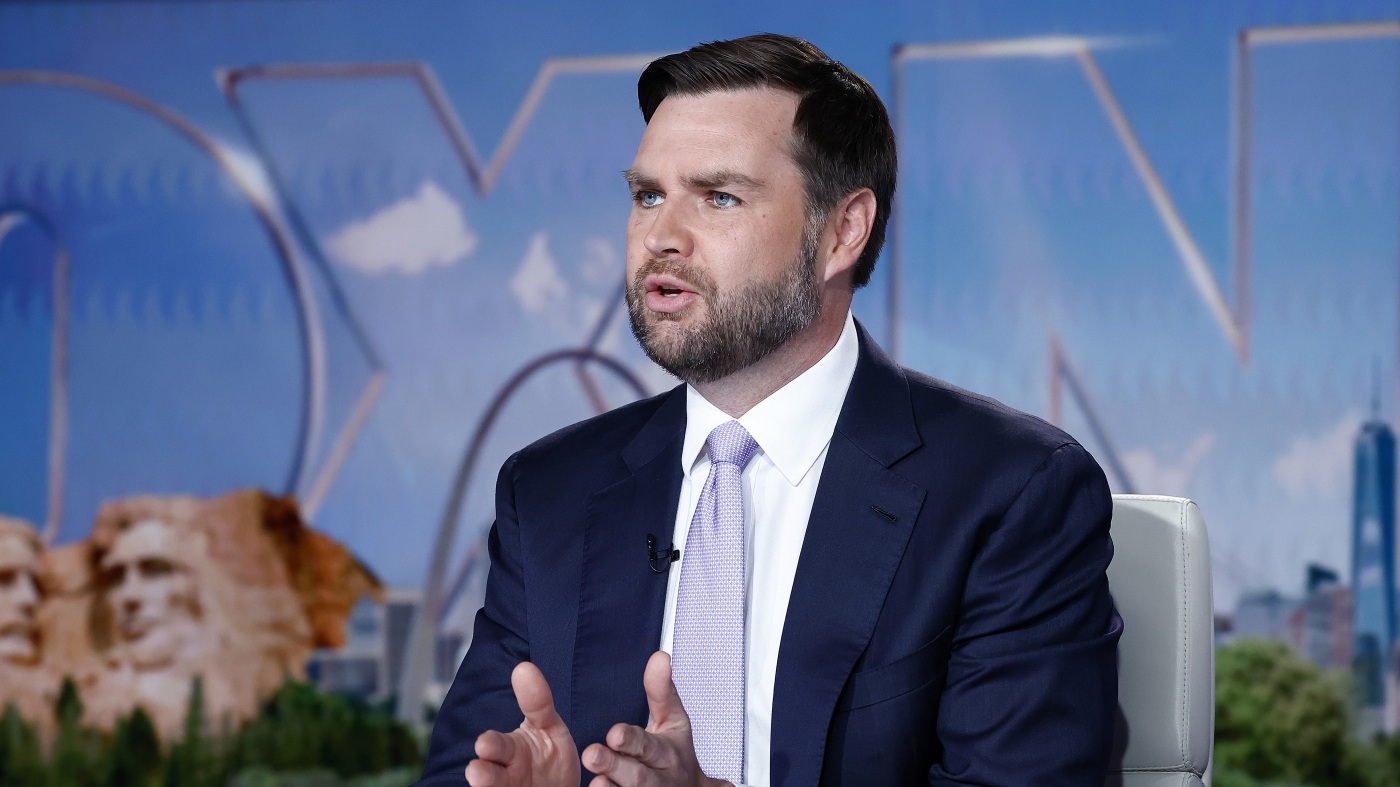
In the wake of escalating tensions between India and Pakistan marked by drone and missile exchanges, Vice President Vance stated that the situation is fundamentally outside of U.S. concerns. This marks a departure from past American efforts to mediate conflicts between these nuclear-armed countries.
U.S. Position on the Escalation
During a discussion on the potential for nuclear conflict under the Trump administration, Vance emphasized minimizing tensions through diplomatic means. He asserted the U.S.'s limited capacity to intervene directly, given the complexities on the ground.
According to Vance, the approach involves encouraging both nations to de-escalate the situation independently, asserting that direct involvement in the conflict would be outside the scope of American interests and capabilities.
Concerns from Analysts
Experts like Praveen Donthi from the International Crisis Group express apprehension that such comments could provoke further boldness from both nations, potentially edging the conflict into more dangerous territory.
Arifa Noor from a liberal newspaper observes that the U.S.'s hands-off strategy might leave a void, as historically the U.S. has played a pivotal role in mediating and reducing tensions between the two nations.
The Prolonged Kashmir Dispute
The struggle between the two nations has deep roots in their longstanding rivalry over the Kashmir region, a conflict reignited after the alleged involvement of Pakistani elements in recent attacks within Indian-administered Kashmir.
India responded with military action, targeting regions within Pakistan. As both nations exchange strikes, the fear of a broader conflict leaves the populace in border areas on edge.
Local Impact and International Implications
On-ground reports from affected areas in both countries reveal a climate of fear and uncertainty, with residents being displaced and daily life being disrupted due to military activities.
International scrutiny is further amplified by responses from political entities and private citizens calling for a de-escalation of military engagements, in hopes of preventing an expansion into full-fledged conflict.
Response from Social and Political Leaders
As the conflict continues, there is notable suppression of dissenting voices within India. Actions taken by the government include blocking social media accounts and voicing directives against media outlets, highlighting internal challenges alongside the external conflict.
Mirwaiz Umar Farooq, a noted Kashmir leader, made appeals for peace and a cessation of hostilities between the countries, emphasizing the destructive potential of continued escalation.
Leave a Reply