


Understanding Rescission: Congress's Tool for Trump's Budget Cuts
The White House is set to present a rescission proposal to Congress imminently, as part of a larger strategy to retract previously approved federal funding and enforce major budget cuts.
Facing legal hurdles in its attempts to curtail the U.S. Agency for International Development and other initiatives, the administration is turning to Congressional action to solidify the cuts within a legal framework.
Decoding the Rescission Mechanism
Rescission provides Congress with an official route to revoke funding that has been allocated but remains unspent, thereby ensuring it isn't used by federal entities. These funds can be redirected or returned to the Treasury.
The U.S. Constitution grants Congress the ability to manage federal spending through annual appropriations. The President can delay or stop the use of these funds but needs Congressional consent to make such changes permanent.
The Congressional Budget and Impoundment Control Act of 1974 introduced a process requiring the President to obtain Congressional approval to retract funds, thus limiting unilateral actions. This authority is generally applicable only to discretionary spending.
Process of Enacting Rescissions
For rescission proceedings to begin, the White House's Office of Management and Budget submits a request to relevant Congressional committees, which have 25 days for consideration. Following that, the measure proceeds to votes in both legislative houses.
Congress must decide on the rescission proposal within 45 days, benefiting from a simpler passage requirement — needing only a majority vote rather than the typical 60-vote hurdle in the Senate.
Congressional Perspective on Rescissions
Republican leaders in Congress are largely positive and ready to embrace the rescission strategy.
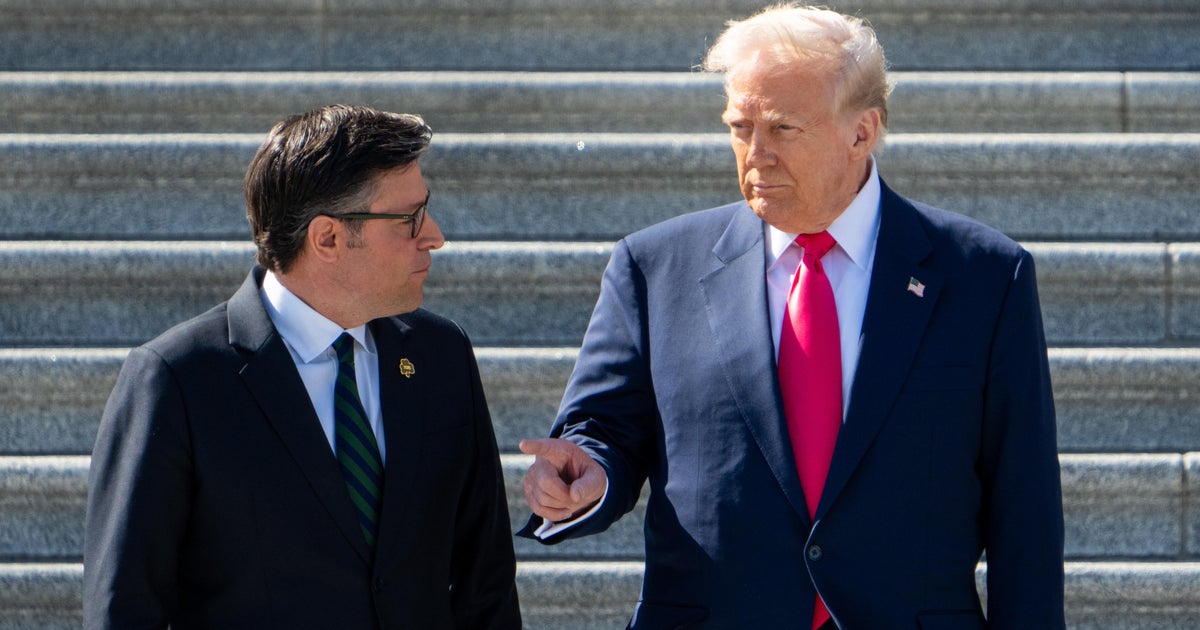
House Speaker Mike Johnson conveyed his enthusiasm during an Axios event, indicating a potential approval of a rescission agenda for fiscal 2025, with room for future packages as necessary.
Johnson asserted that spending cuts are vital and should transcend partisan lines, a sentiment echoed by Senate Majority Whip John Barrasso, who also highlighted public concern over excessive government spending.
Anticipated Targets of the Initial Rescission
The rescission plan likely focuses on trimming approximately $9 billion, potentially entrenching cuts initiated by Elon Musk and aided by Trump, notably impacting U.S. foreign aid and public broadcasting funds like NPR and PBS.
Indiana Senator Jim Banks emphasized this being the elementary stage of a larger scale plan, stressing the necessity to transform preliminary reductions into enduring solutions.
Historical Context of Rescissions
While Congress has commonly employed rescissions to redistribute unused funding, propositions from Presidents have been less frequent.
Since 1974, Presidential proposals have aimed for approximately $92 billion in rescissions, though Congress has sanctioned about $25 billion of these requests historically.
Noteworthy historical approvals included over $15 billion during the Reagan administration. However, recent administrations, including George W. Bush and Barack Obama, didn't engage in rescission packages.
During Trump's first term, a major rescission attempt of nearly $15 billion was blocked by the Senate.
Leave a Reply