


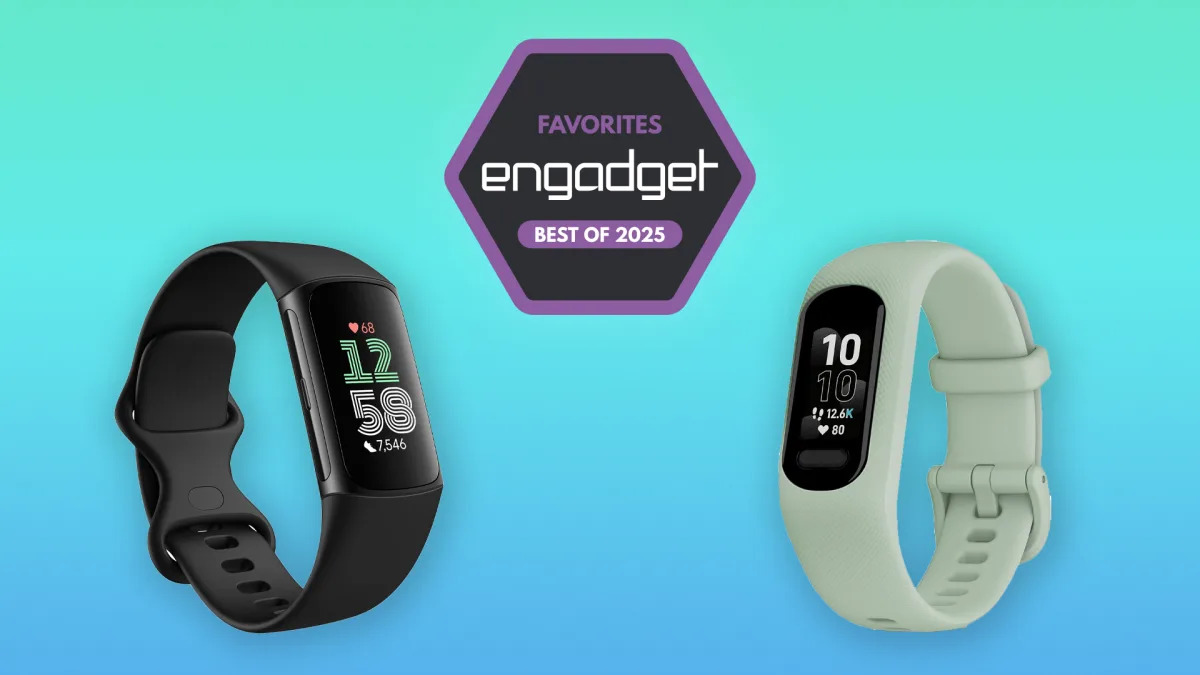
Top Fitness Trackers to Watch for in 2025
Trackers: A Smart Alternative
Fitness trackers are an excellent choice if you prioritize tracking your physical activities without the frills of a smartwatch. Superior models come equipped with sensors for stress, sleep, and other health metrics. Although smartwatches present abundant features, a fitness tracker offers a cost-effective approach if your primary goal is lifestyle management. Every fitness tracker delivers precise activity monitoring, often featuring a pedometer for step counting. While they may not boast the chic style of an Apple Watch, these devices excel in functionality. We've rigorously tested leading models to streamline your selection.
Recommended Fitness Trackers for 2025
The Best All-Around: Fitbit Charge 6
The Charge 6 from Fitbit improves upon its predecessor with enhanced heart rate monitoring and exercise machine connectivity via Bluetooth. It maintains a sleek design with a new physical button augmenting its touchscreen controls. With 20 exercise modes, the Charge 6 is not mistakenly a smartwatch but still boasts a vibrant AMOLED display and longevity on one charge. Additional benefits include contactless payments, Google Maps integration, and built-in GPS that charts your exercise routes.
Runner-up: Garmin vívosmart 5
Garmin's vívosmart 5 offers a slender profile that complements your existing accessories. It shares features with the Charge 6 minus built-in GPS, yet supports connected GPS. This model records your daily heart rate, sleep cycles, and workouts, offering comprehensive fitness data which includes specialized exercises like strength training.
Best Budget-friendly: Xiaomi Mi Band 8
The Xiaomi Mi Band 8 is an inexpensive yet functional choice, exceeding Fitbit Inspire 3 and Amazfit Band 7. It excels in sports tracking and offers a unique mode for 'pebble' running. Comfortable to wear, it can accompany you for 10-14 days on a single charge.
The standout pebble running mode provides detailed running metrics when affixed to your shoe. The companion app supplies extensive workout summaries and sleep data, adding value.
Most Stylish: Withings Move
Withings Move presents an elegant analog face coupled with basic health tracking functions. The watch is traditional in design yet proactive in function offering workout detection, GPS support via your smartphone, and an impressive battery life extending up to 18 months.
Why Choose Fitness Trackers?
Fitness trackers excel in their core purpose: facilitating exercise tracking, whether a short walk or long-distance running. Unlike multifunctional smartwatches, trackers maintain simplicity in design, are lightweight, and generally cost less, starting as low as $70.
These devices maintain specific advantages: superior battery life, often operational for a week or more without charge, and seamless compatibility with smartphones and specialized apps.
When to Consider a Smartwatch
For those needing extra from a wearable, smartwatches provide advanced capabilities. Managing smart appliances, customizing alerts, and accessing robust apps are areas where smartwatches outshine trackers. It's essential, however, to confirm their compatibility with your smartphone.
Dedicated running or endurance training devices like smartwatches can offer deeper insights into fitness metrics, though they might be bulky compared to compact trackers.
Reviewed Fitness Trackers
Fitbit Inspire 3
The Inspire 3 consolidates important functions without luxury features like GPS or payment options. It retains a color display and offers ample battery life, confirming a solid performance over extended use when tested.
FAQs About Fitness Trackers
Battery Life Expectations
Typical fitness trackers last between five to seven days on a single charge, although simpler models can stretch beyond. Advanced devices might need more frequent charging, especially with continuous heart monitoring and GPS usage.
Leave a Reply