


The American Fascination with Factory Jobs: A Resurgence Possible?
Nostalgia Meets Policy: Trump’s Industrial Aspirations
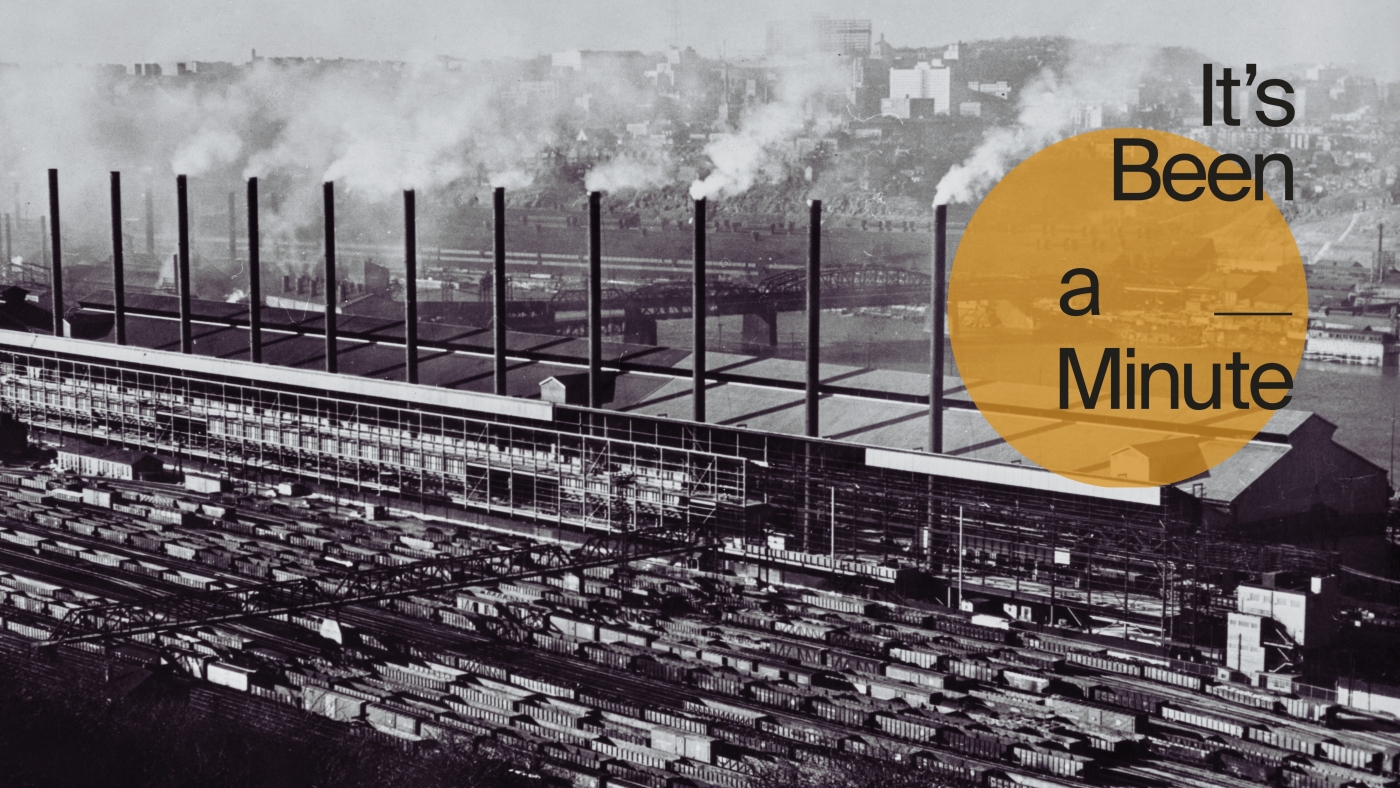
In the mid-20th century, industrial giants like Pittsburgh's Laughlin Steel Corporation stood as symbols of American economic prowess. President Trump aims to revive these bygone days by instituting reciprocal tariffs, claiming this strategy will rejuvenate domestic manufacturing and ignite the industrial sector.
Yet, the American manufacturing landscape has transformed since its heyday — the workforce has shrunk significantly from 19.6 million in 1979 to 12.7 million today.
Why Americans Yearn for Factory Work
Factory work has consistently been a political touchstone, with 80% of Americans believing in the benefits of a robust manufacturing base, per findings from the Cato Institute and YouGov.
But what fuels this intense desire for factory jobs among diverse demographics? Nostalgia for these gigs is palpable, yet the picture is intricate: nostalgia juxtaposed with modern manufacturing realities.
Cultural Reflections and Implications
Jeffrey Gonzalez of Montclair State University discusses 'smokestack nostalgia,' which frames factory work as dependable across generations, often overlooking how union efforts won these advances amid significant labor struggles.
Current manufacturing wages fall in the mid-range across all job sectors. Research from the Federal Reserve suggests declining unionization partly elucidates wage reduction in manufacturing.
Laws in the southern U.S. have historically hindered union formation, contrasting with the union-strong northern factories, according to Gonzalez.
Symbolism Vs. Semantics: Emotional Ties to Factory Work
Dylan Matthews suggests some nostalgia might spring from discomfort with abstract 'email jobs,' contrasting it with tangible, productive labor.
He muses about his own work's indirect contribution to the economy, noting a disconnect many feel without tangible outcomes. These feelings play into broader conservative narratives promoting traditional values.
Conceptually, factory jobs symbolize a 'family wage,' allowing a single income to sustain a household, a vision often romanticized by conservative thought.
Security and Sovereignty: Manufacturing's Strategic Value
There's a push, led by figures like Vice President J.D. Vance, to reopen American factories for national security, citing needs such as artillery due to the Ukraine-Russia conflict.
Concern about reliance on adversarial countries, especially China, fuels these calls. This mingles with apprehensions over technological dependencies in military contexts.
Cross-party discussions include figures like Bernie Sanders, advocating a return to manufacturing, a sentiment echoed by past presidency agendas.
The Reality of Modern Manufacturing
Despite their appeal, many American manufacturing roles remain vacant. As of February, 400,000 such positions awaited workers.
Today's factory jobs differ vastly from their 1950s predecessors, with educational backgrounds and skill sets no longer aligning neatly with employment opportunities.
Matthews contends that adding jobs is complex, with productivity improvements, not foreign competition, chiefly driving job losses according to economist Robert Z. Lawrence.
Automation and the Future Workforce
Shifts towards automation have redefined manufacturing roles, reducing human necessity in production lines, complicating new job creation efforts despite new factory openings.
Why Protecting Manufacturing Jobs Isn’t So Simple
Tariffs enacted under the Trump administration didn't sway employment in the intended ways, challenging the logic of equating policy reversal with job restoration.
Immigration policies also intersect, with foreign-born workers comprising about a quarter of the manufacturing labor force. Strengthened immigration controls risk leaving positions unfilled.
Leave a Reply