


Impact of U.S. Tariffs on Retail Pricing Tactics
Famous retail brands like Pandora, Puma, and Hugo Boss have announced recently that they are reassessing their pricing methods in the U.S. given the potential implementation of President Donald Trump’s stringent tariffs.
Others in the industry are modifying their logistics and re-evaluating their sales outlooks due to uncertainties in U.S. trade policies.
In a sweeping move, Trump declared new reciprocal tariffs across all of the U.S.'s trading partners. Most tariffs were eventually minimized to 10% for most countries, with China being a notable exception, while negotiations continue.
Global businesses, including big names such as Mattel and UPS, are assessing how these tariffs could impact them, with some even rescinding their financial forecasts.
Pandora
Pandora, the jewelry company from Denmark famous for its charm bracelets and silver pieces, anticipates potential disruption in the affordable jewelry sector if the proposed tariffs come into play.
Pandora, with about a third of its sales originating from the U.S., heavily relies on manufacturing facilities in Asia, including Thailand, Vietnam, India, and China. This reliance led to a revenue warning issued in April.
Alexander Lacik, Pandora's CEO, said that most jewelers in their price category import from Asia. If tariffs persist, expenses will likely increase for all involved, potentially leading to consumer price adjustments.
While specific price increase figures are under review, any changes will probably be influenced by industry trends, according to Lacik.
Puma
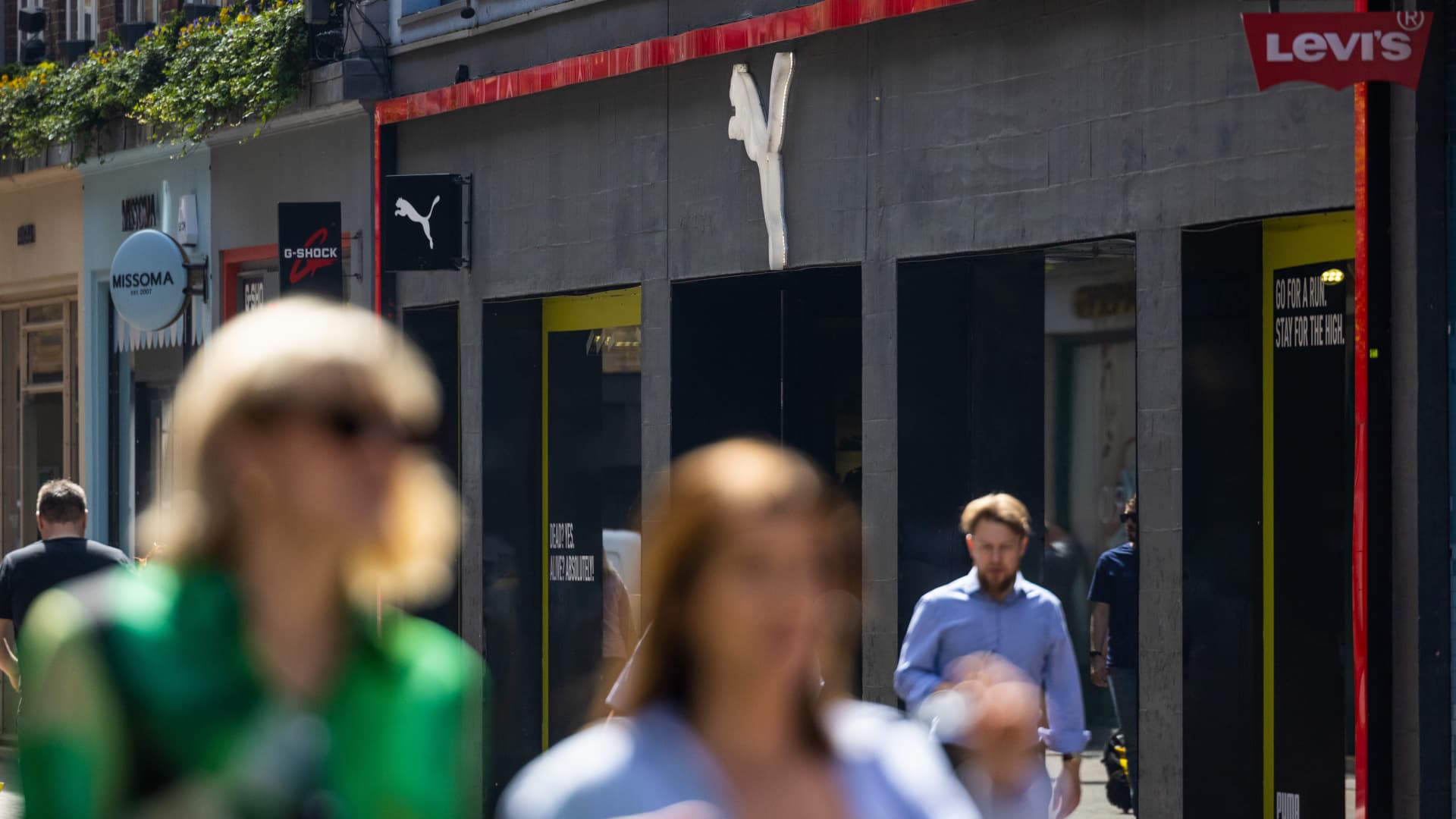
Puma, the German sportswear company, is also facing tariff-related challenges, prompting a review of its cost strategies in the U.S.
Their CFO, Markus Neubrand, commented on Thursday that price adjustments are a potential to counteract tariff impacts.
Like others, Puma manufactures in Asia and has cut down its imports from China since a March prediction of potential tariff-related challenges.
Neubrand expressed a reluctance to be at the forefront of price changes in the U.S., acknowledging other industries more dependent on the U.S. market should lead in pricing strategy.
Hugo Boss
Fashion giant Hugo Boss joined others in contemplating price changes to manage rising costs due to tariffs.
Plans include redirecting imports from China to other countries and optimizing global sourcing.
With the U.S. being their largest market, Hugo Boss CEO Daniel Grieder noted current uncertainty surrounding tariffs, recession fears, and immigration issues.
While it's too early for conclusive impact assessments, the company keeps a close watch on these developments.
Zalando
Online retailer Zalando reported no significant tariff effects on its business but remained vigilant of external economic shifts.
While consumer demand stayed stable, the company is preparing for quick adaptations to the dynamic geopolitical and economic landscape.
Leave a Reply