


FDA Authorizes Three Natural Food Color Additives
The U.S. Food and Drug Administration (FDA) confirmed that it has authorized the use of three naturally-derived food coloring additives, setting a novel precedent in the industry while simultaneously addressing increasing concerns about synthetic dyes.
This decision aligns with recent actions at both state and federal levels that call for reconsideration of artificial dye usage within the food industry. Despite resistance from the food dye sector, which argues that artificial colors are vital for maintaining product uniformity and attractiveness, this shift towards natural options marks significant progress.
Health and Human Services Secretary Robert F. Kennedy, Jr. has been vocal about transitioning away from synthetic dyes, considering them outdated due to their lack of nutritional benefit and potential health hazards.
Although the FDA is encouraging the incorporation of natural dyes by accelerating reviews and approvals, it has not instituted a complete embargo on synthetic colorants.
Galdieria Extract Blue
This blue hue emanates from microalgae and can be enhanced using authorized food-safe carriers and antioxidants. It now finds its place in numerous beverages, such as fruit and vegetable juices, smoothies, and milk drinks; it extends to milk-based dietary replacements.
Galdieria extract blue is also sanctioned for use in breakfast cereals, candy coatings, gums, frostings, dairy desserts, frozen treats, and dessert creams.
Butterfly Pea Flower Extract
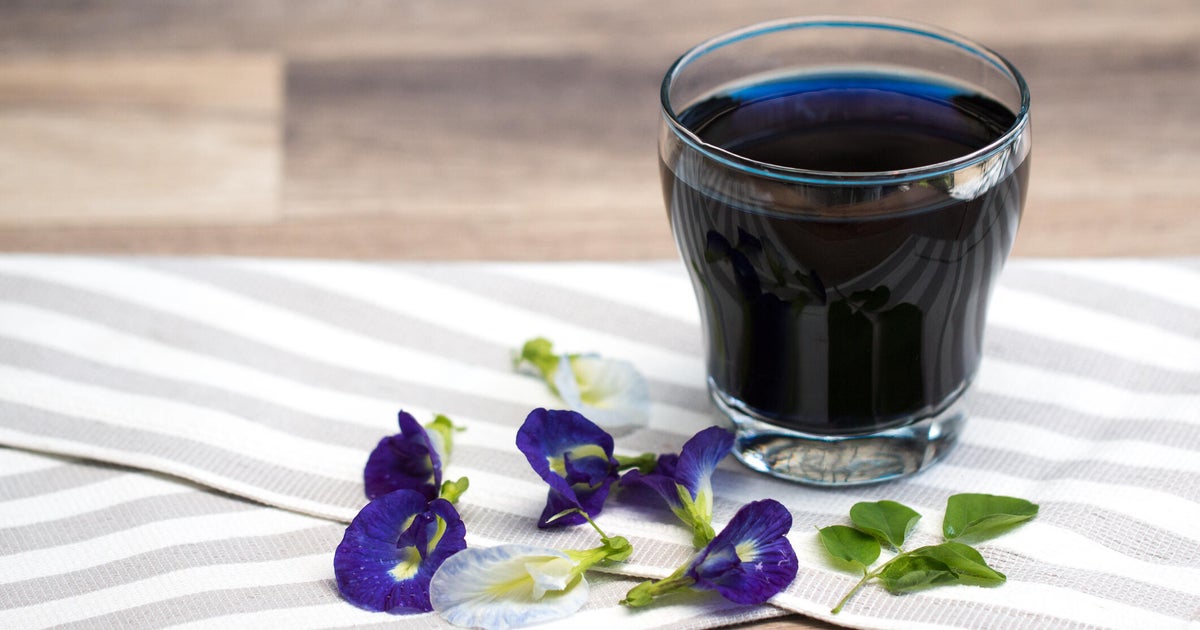
Another naturally sourced coloring, butterfly pea flower extract, produces blue shades which transform to purples and greens. Already permitting usage in drinks and sweets, its approval has now been extended to encompass cereals and savory snacks like chips and pretzels.
Calcium Phosphate
While effectively used to create a white color, notably in chicken products and confectionaries, calcium phosphate is recognized by the FDA as a generally safe element suitable for various nutritional applications.
Leave a Reply