


Critical Legal Decision May Jeopardize Mental Health Insurance Coverage
The Trump administration is at a crossroads, compelled to take a stand that will shape access to mental health and substance abuse treatment for countless Americans.
As the deadline approaches, the administration must determine whether to defend regulations from the Biden era aiming to enforce parity in how insurance covers mental health compared to physical ailments like cancer or hypertension.
While legislation mandating this balance has been in place since 2008, these current regulations represent a pivotal moment in the ongoing effort to guarantee that mental health care receives the same consideration as physical health in insurance plans.
The regulations spotlight two crucial stipulations. Firstly, insurers must ensure they provide significant benefits for mental health, guided by independent medical standards, akin to those for physical conditions. For instance, if diabetic care includes screenings and treatments, opioid addiction care should mirror that by covering both diagnostic and medication treatment.
Secondly, insurers are required to look beyond policy documents to evaluate practical outcomes. For example, if mental health patients require more out-of-network care compared to physical care, policies need reconsideration.
Legal Challenges and Economic Concerns
A coalition of around 100 large employers filed a lawsuit arguing that these regulations exceed governmental power, could spike costs, and potentially impact care quality negatively. This group includes major corporations like PepsiCo and Comcast, who would bear direct repercussions.
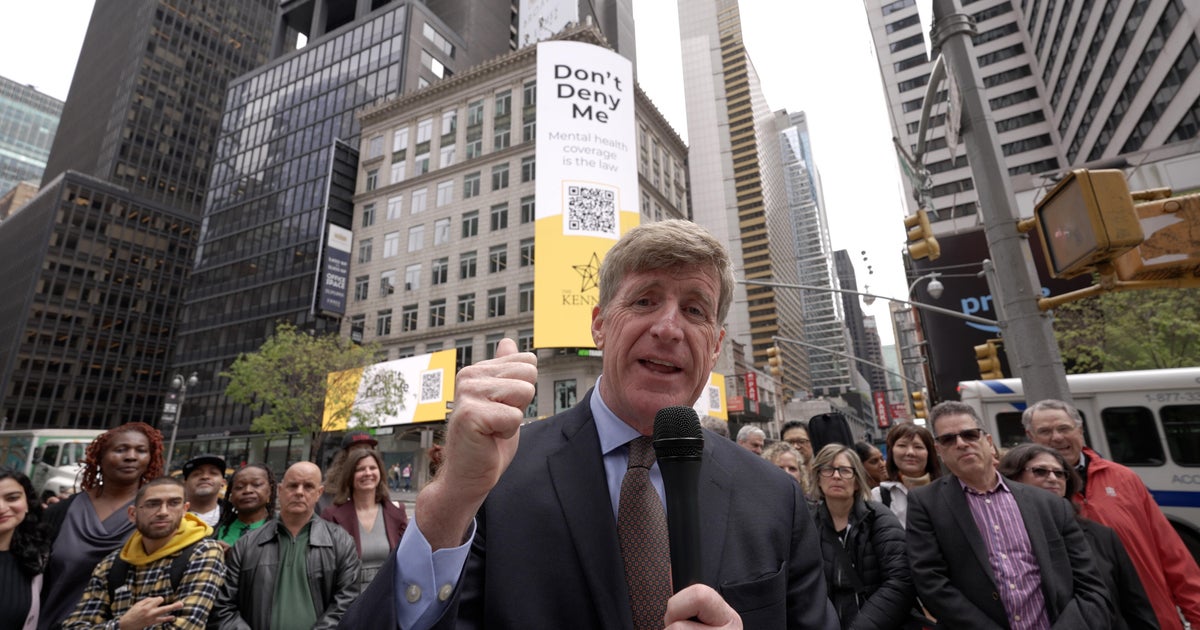
Mental health champions and patients are urging the Trump administration to uphold the regulations for the benefits they promise.
Patrick Kennedy, a prominent advocate, emphasized that making parity tangible is essential for the nation's health. He pointed out a significant link between untreated mental health conditions and physical ailments, nudging the administration to support these regulations in alignment with their focus on chronic diseases.
Debating the True Barriers
Critics argue that the main barrier to accessing mental health services is a shortage of providers rather than the structure of insurance policies. This perspective suggests that punitive measures on employers won’t compensate for this lack.
Research by RTI International indicates that reimbursement disparities are a significant part of the issue, rather than just provider scarcity.
"A Battle Against Bureaucracy"
Healthcare providers often find themselves at the mercy of insurance protocols, such as needing prior approvals to deliver care and constantly renewing these approvals. These bureaucratic roadblocks can disrupt care continuity.
Despite the intentions of the historic 2008 law to alleviate such burdens, nuances like authorization arrangements continue to hinder true equality in care provision.
New laws passed in 2020 attempt to require insurers to scrutinize and align treatment limitations for mental and physical health, but disparities persist.
"Potential Consequences of Regulatory Focus"
Critics caution that concentrating solely on insurance modifications might result in increased costs for health plans, potential cutbacks in service networks, or even a full withdrawal from offering mental health benefits.
Advocates argue, however, that mental health coverage is indispensable as it prevents future crises that would burden taxpayers, such as hospitalizations or interactions with the justice system.
The outcome of this legal decision remains uncertain as the Trump administration weighs its options, with profound implications for nationwide mental health care access.
Leave a Reply