


Chinese Merchandise Faces 145% Tariff as it Docks at U.S. Harbors
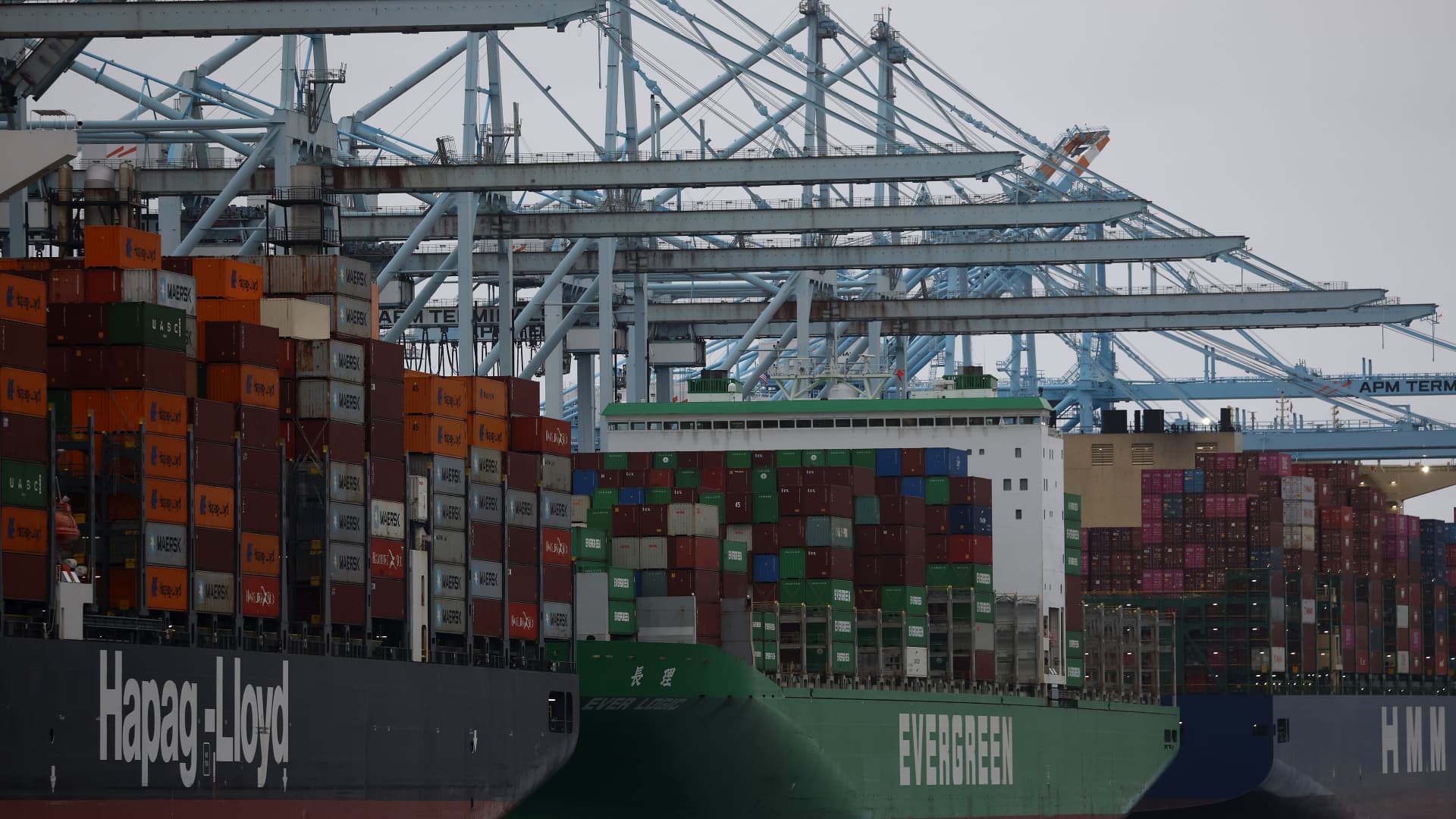
A fleet of Chinese cargo ships carrying over 12,000 containers, which are subject to President Trump's hefty tariffs of over 145%, have begun docking at the Los Angeles and Long Beach ports.
Following the tariff announcement, seven ships embarked from China, and they represent the initial wave of China-US trade affected by this policy, as monitored by MarineTraffic. Meanwhile, the arrival of five more ships is anticipated shortly.
Major companies such as Amazon, Home Depot, and Ikea are receiving these goods, encompassing an array of consumer products.
These imports include a diverse assortment of items, from home appliances and clothing to furniture, brought in on behalf of third-party sellers.
Along with the expected furniture and electronics, the deliveries include garden equipment, men's work boots, and portable fans.
Several brands have processed peripherals like ceiling lighting and household utilities through customs, ready for distribution.
A representative from Tractor Supply referenced a previous statement noting the uncertainty induced by such aggressive tariff increases. They are proactively coordinating with their suppliers to manage these economic implications.
Among the Chinese imports are items such as Ikea furnishings, sports gear like swim goggles, Samsung’s appliance components, designer clothing, and electronics parts from Lenovo.
Despite concerns over consumer interest against an unstable economic landscape, businesses strive to restock essential items.
Amazon has confirmed its commitment to assisting diverse sellers in navigating this fluctuating trade scenario, ensuring customers continue to experience wide selection and affordable pricing.
Decreasing Trends in Chinese Shipping Traffic
Following the tariff announcement, shipments from China to the U.S. have shown a noticeable decline, with over 90 scheduled sailings being voided.
According to Sea-Intelligence, the Ocean Alliance—consisting of major shipping lines like COSCO and CMA—was notably impacted, contributing to nearly half of these cancellations.
Reports indicate that bookings have dropped significantly, with percentage decreases ranging from 30% to 50% due to halted production and diminished container volumes.
This downturn has led major shipping enterprises, including MSC and the Gemini Alliance, to utilize smaller vessels as they adapt to dwindling traffic on critical trade routes.
MSC has scaled down its shipping capacity significantly, in line with similar strategies by other global carriers, underlining the broad adjustments necessitated by the ongoing tariff repercussions.
Businesses like SEKO Logistics pointed out the complexities arising from overlapping tariff measures, which have confused many clients who are now reevaluating their logistical plans amid fluctuating economic conditions.
Leave a Reply