


Business Strategies Amid Tariff-Driven Price Increases
Jared Fisher, facing a 10% cost increase from his leading electric bike supplier, faced a critical decision: absorb the extra costs or transfer them to his customers.
"Shedding 10% off bicycle profit margins will likely lead you to prepare an exit strategy because sustaining operations becomes untenable," Fisher, who manages multiple bicycle shops in Nevada and Utah, stated in an interview with Business Insider. "That's not feasible."
Instead, Fisher opted for openness with his clientele regarding the reasons behind rising prices. He introduced a new item on the bike price tags displayed in his stores. For instance, one $7,999 bike now features an extra $300 charge labeled as a "Government Tariff Imposition."
"I am at ease showing where this added cost originates on my products," he remarked. "Customers need this transparency to give me a fighting chance."
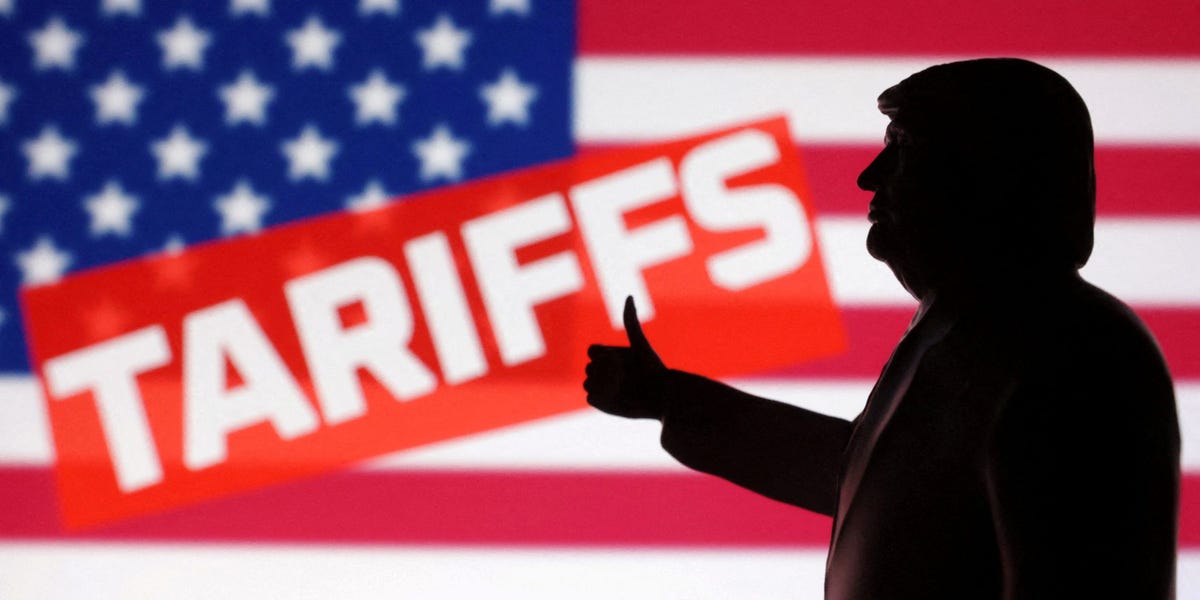
On April 2nd, President Trump instituted a baseline 10% tariff on all U.S. imports alongside additional duties affecting many trade partners. Although certain increased tariffs, except for those impacting China and partially Mexico and Canada, are paused, the overarching 10% duty persists, triggering a gradual rise in prices.
From physical retail stores to digital small enterprises, numerous businesses reported to Business Insider that these tariffs are compelling them to translate the additional costs to consumers, not as a preference, but as a necessity.
Impacts on Small Enterprises and Market Dynamics
For smaller operations, the predicament is exacerbated by their limited negotiation leverage with suppliers and tighter cash flow compared to giants like Walmart. Meanwhile, manufacturers in hubs like China face diminishing margins as they attempt to cushion the impact of tariffs.
"These high tariffs put small enterprises at risk of closure," commented Peter Cohan, an associate professor and venture capitalist. "They remain committed to sustaining customer trust through transparent price adjustments."
"Though there's a risk of losing clientele due to increased prices, transparency could help mitigate the negative effects," Cohan added.
Corporate Considerations and Consumer Perceptions
Larger corporations might have pondered similar transparency tactics. There were claims that Amazon might display tariff cost contributions on product prices. However, White House spokesperson Karoline Leavitt criticized the idea as contentious. Amazon clarified that while they debated the notion in its Haul low-price section, they ultimately scrapped it.
Chinese fast-fashion leaders like Shein and Temu, significantly impacted by a 145% tariff on China and the removal of de minimus exemptions, issued uniform messages advising customers of imminent "price revisions" due to "heightened operational costs" induced by evolving global trade rules and tariffs.
Shifts in Market Strategy
In late April, Temu initiated "import fees" at checkout, potentially doubling item costs. By May, the company’s main website appeared to inhibit access for U.S. buyers to Chinese-shipped products, spotlighting locally warehoused items within the U.S.
"Highlighting tariff-related charges on product pages can strategically benefit platforms like Temu and Shein," asserted Nasim Mousavi from Georgia State University. "Elaborating tariffs makes price jumps appear as external policy results, not internal pricing choices."
"Such transparency may strengthen customer trust, endorse a value-driven brand image, and encourage the belief that the platform is advocating for consumers," Mousavi explained.
Consumer Insights and Political Reactions
According to a survey of 1,850 American adults held between May 2 and 5, orchestrated by Economist and YouGov, 75% anticipate escalated prices due to Trump's tariffs, while 61% desire businesses to disclose how much of a purchase price is tariff-related.
"The stark reason for the White House's hesitance in revealing tariff costs is that it lays bare the economic burdens their policies impose on consumers," said Cohan. "This transparency risks diminishing poll standings as shoppers become acutely aware of the extra costs and responsible parties."
Leave a Reply