


USDA Confronts Challenge of Rehiring After Mass Employee Departures
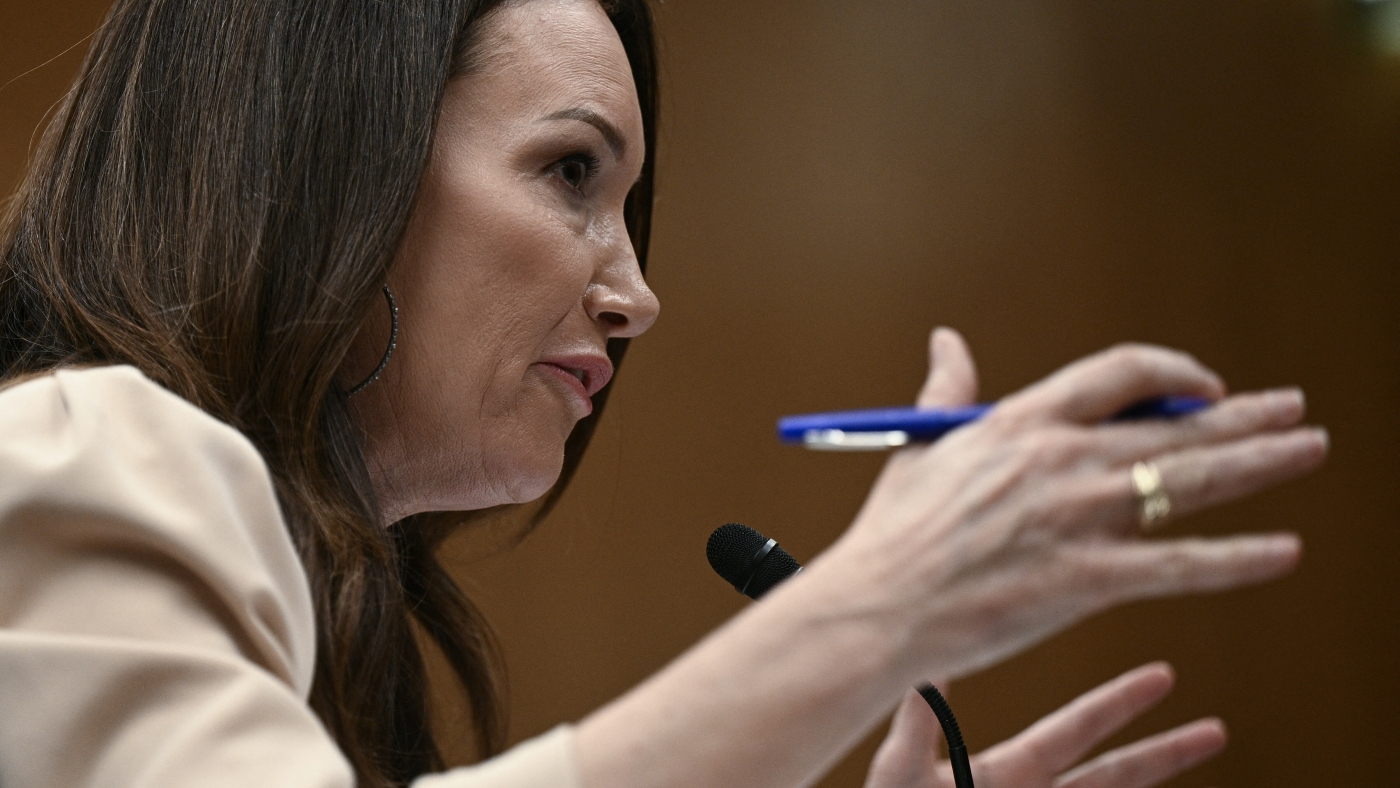
Brooke Rollins, the U.S. Secretary of Agriculture, recently provided testimony on Capitol Hill concerning the Department of Agriculture's efforts to refill positions following a significant wave of employee departures.
Rollins outlined that over 15,000 USDA employees have been offered salaries and benefits through September, conditioned on their resignation, sparking a new recruitment drive for essential roles.
Recruitment Following Voluntary Resignations
During a Senate Appropriations Committee meeting, Rollins addressed the urgency to recruit, assuring senators that the agency is vigorously seeking individuals to step into pivotal functions.
This action follows two rounds of the deferred resignation scheme, initially extended to almost all federal employees in January and again briefly in April. The objective appeared to be a trimmed federal workforce in alignment with Trump administration goals.
The timing of this rehire, directly after a large-scale resignation push, raised issues among lawmakers, including Senator Patty Murray.
Discussion on Workforce Realignment
Sen. Murray questioned whether it made sense to lose knowledgeable staff only to seek new hires. Rollins admitted ongoing discussions about this conundrum and cited regular attrition rates of 8,000-10,000 employees annually.
Inviting previous employees back was not off the table, especially those who occupied vital roles, according to Rollins, who welcomed dialogue with them about potential re-employment.
Concerns and Clarifications
Issues emerged following the resignation of some employees from the USDA's Animal and Plant Health Inspection Service (APHIS), and shortly after, HR advertised for several of these now-vacant positions.
One affected worker was discontented, believing their hand was forced due to warnings of impending cuts, yet witnessing their post being made available again prompted frustration.
Acknowledging Past Mistakes
While Rollins nodded to potential errors in executing the strategy, she clarified no role-critical employees were cut during the second resignation phase. She maintained that the ongoing transition was fundamentally challenging.
In subsequent discussions, she denied any modified resignation agreements from certain key agencies during April's round, supporting her statements with further clarifications before House appropriators.
Discrepancies in Execution
The testimony of Rollins conflicted with accounts from district personnel, such as unnamed APHIS employees whose agreements suggest otherwise. Concerns about potential retaliations keep these employees anonymous.
A representative from the National Association of Agriculture Employees estimated hundreds might have taken the chance to resign, adding further complexity to the agency’s strategy narrative.
However, USDA didn't provide immediate clarifications when questioned about these conflicting testimonies regarding their resignation policies.
Leave a Reply