


Understanding Bill Gates's Plan to Conclude the Gates Foundation
Billionaire philanthropist Bill Gates has announced an expedited plan to distribute his wealth and ultimately close the Gates Foundation, significantly sooner than initially anticipated.
This past Thursday, Gates disclosed his intention to hasten the disbursement of his resources and wind down the operations of the Gates Foundation, heralded as a preeminent force in the realm of global health philanthropy.
In conversations held over several days last week, Gates shared the reasoning behind his decision during a pivotal period in global public health, especially as significant reductions in U.S. foreign aid under the Trump administration have put numerous international health initiatives at risk.
Gates Pledges $200 Billion Before the Foundation Closes by 2045
Up to this point, the foundation has distributed $100 billion over the past quarter-century. The plan moving forward involves doubling these contributions, with an emphasis on three primary objectives: eliminating preventable maternal, child, and infant mortality; eradicating fatal infectious diseases for future generations; and enabling hundreds of millions to escape poverty, thereby guiding more nations towards economic well-being.
Although these targets are extraordinarily ambitious, Gates is confident in achieving them within 20 years. This revised timeline contrasts with the foundation’s earlier, more prolonged vision. His commitment includes dedicating almost his entire fortune to achieving these ends.
Anticipated Progress Over the Next Twenty Years
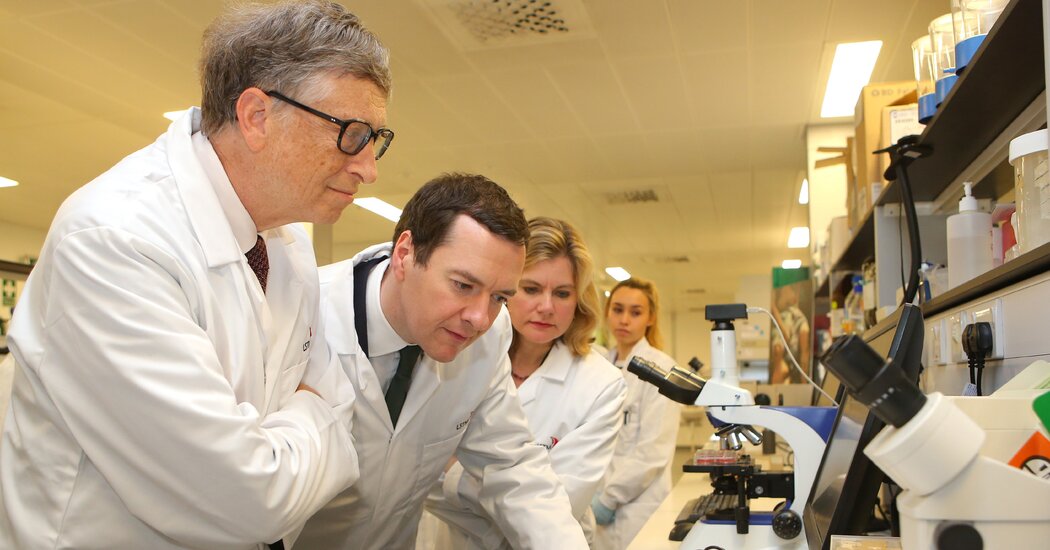
Gates is optimistic about the future, describing this period as an 'extraordinary time' filled with potential. He highlighted ongoing research and development as housing some of the most promising efforts undertaken by the foundation.
He enumerated advancements in different areas, ranging from HIV and tuberculosis to lesser-known diseases like lymphatic filariasis and visceral leishmaniasis. Gates envisions achieving parity in maternal mortality rates between developed and developing countries and cutting childhood fatalities by half.
Leave a Reply