


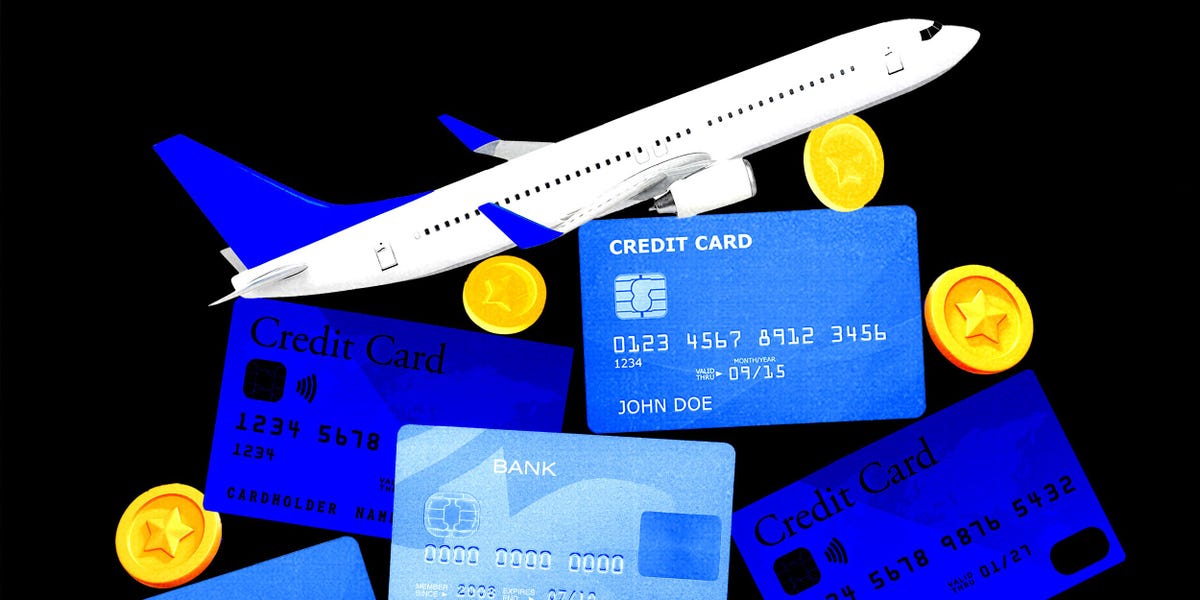
The Evolution of Airlines: From Flight Operators to Financial Powerhouses
Modern air travel, though common, remains a marvel of human engineering. Airlines must navigate the complex task of coordinating vast numbers of passengers, staff, and luggage to ensure timely departures and arrivals. Today, however, it's not the logistics of transport that propels airline profits; rather, it's the financial wizardry involving credit card schemes and loyalty programs that leads the sector's financial gains.
The Rise of Airline Loyalty Programs
Loyalty programs, pioneered in the 1980s, were a breakthrough for airlines, cementing a loyal customer base eager to fly with a particular carrier in exchange for rewards like free baggage check, upgrades, priority boarding, and coveted lounge access. These programs have grown immensely, with 82% of travelers globally participating in at least one airline loyalty scheme by 2024. Delta's SkyMiles holds the title as the largest, with over 120 million members.
In the US alone, 31 million airline credit cards were in circulation by 2023. These cards are so integral to airline finances that carriers would struggle to be profitable without them, as they contribute billions to the revenue pool. For instance, in 2024, Delta alone garnered $7.4 billion from its loyalty efforts, accounting for 12% of its total income.
Airlines as Financial Entities
Airlines benefit beyond merely customer retention and brand reinforcement. These loyalty initiatives bolster airline valuations and create a steady revenue stream, with banks willingly purchasing points in bulk to distribute via credit card transactions. However, frequent changes in point valuation can disadvantage consumers while padding airline profits.
This financial maneuvering has practically turned airlines into de facto banks, printing 'currency' in the form of points. Thus, some experts aptly label them as 'credit card companies with wings.'
The Co-Branded Card Strategy
American Airlines pioneered major airline loyalty programming in 1981 with AAdvantage, followed shortly by United's MileagePlus and Delta's SkyMiles. By the late 1980s, alliances with banks led to co-branded credit cards becoming a primary revenue avenue for airlines. Essentially, airlines sell these points to banks for cash, which is then funneled back through consumer transactions. This cycle is fueled by the perception of ‘earned’ rewards whenever consumers make everyday purchases.
The Customer Perspective
Consumers enjoy the illusion of 'free' perks through points redemptions. For instance, a luxurious United flight funded by points can cost a consumer much less than through cash purchase, making it an attractive proposition. However, the system’s real winner remains the airline, whose initial point sale to banks already covered the cost of these perks.
Challenges and Consumer Behaviour
Despite their success, loyalty programs are not without criticism. Many incidents of devaluations and heightened fee structures frustrate customers. For example, United recently hiked credit card annual fees, and Delta's new policies shifted the focus towards spending rather than miles to achieve elite status.
Additionally, a significant proportion of points remain unredeemed annually, effectively yielding airlines 'free money.' With younger travelers less likely to accrue enough points to benefit substantially, they inadvertently support airline margins while receiving minimal returns.
Economic Context and Future Outlook
As economic uncertainties loom, with fears of recession and policy shifts influencing consumer and government travel, the shield of loyalty revenue proves valuable for airlines. This non-ticket income, compounded with credit card strategies, offers a financial cushion, reinforcing the sustainability of the airline industry in volatile times.
Yet, regulatory scrutiny is intensifying, with investigations into potential deceptive practices by major airlines like American, Delta, and United. These regulatory challenges, while formidable, underscore the crucial role loyalty ecosystems play in the financial health of airlines.
Conclusion: A Financial Renaissance
With traditional revenue streams becoming less predictable, airlines are increasingly depending on these loyalty program-driven models. This shift has transformed airlines from transport businesses into complex financial entities rivaling mainstream financial institutions. The industry's future will hinge on how well it balances loyalty offerings against regulatory pressures and evolving consumer expectations.
Leave a Reply