


The EU's Plan to Sever Russian Gas Ties Faces Backlash from Moscow's Eastern European Allies
Eastern European countries allied with Russia claim that Brussels' intent to cut off all Russian energy imports in the near future equates to "economic self-destruction" and poses a significant risk to the region's energy stability.
On Tuesday, the European Commission outlined its strategy to eliminate Russian gas, nuclear, and LNG imports by the close of 2027. This initiative is heralded as a pivotal step to achieve total EU energy independence from Russia.
The 2022 conflict in Ukraine triggered these measures, yet curtailing gas supply has proven challenging. Although Russian sources accounted for nearly 19% of the EU's gas and LNG imports in 2024—a notable decrease from almost 45% in 2021—phasing them out entirely remains a struggle.
Eastern European states that have traditionally depended on Russia for affordable energy harshly criticized the EU's recent plans, fearing that consumers will face inflated energy costs.
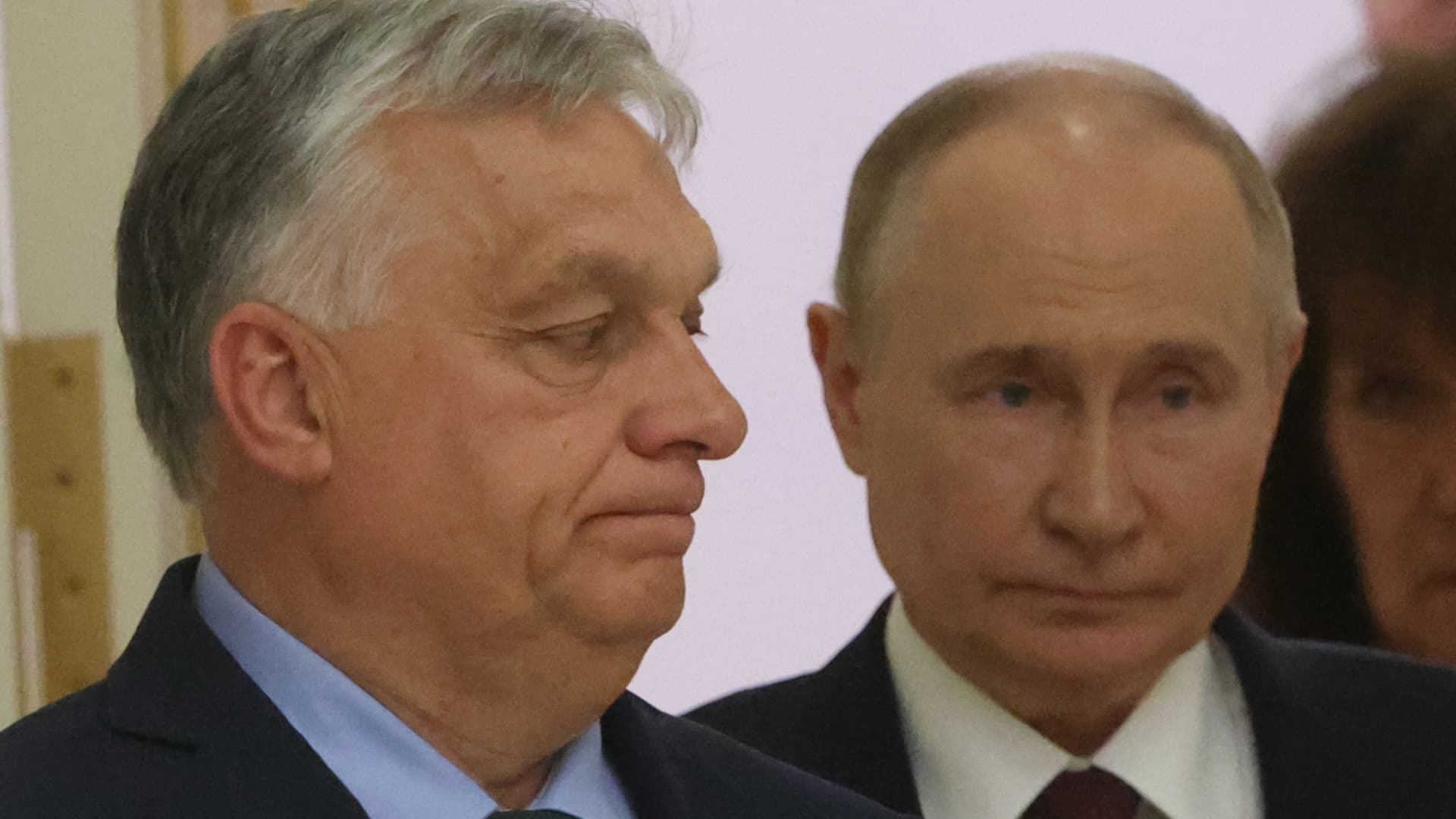
Governments in Slovakia and Hungary, despite their favorable relations with Moscow amid the Ukraine war, labeled the EU's proposal as a "grave error" with detrimental regional impacts.
Political and Economic Concerns from Slovakia and Hungary
Slovakian Prime Minister Robert Fico voiced skepticism about ending all imports from Russia, arguing that embracing such an embargo without tangible alternatives amounts to economic harm and potential isolation from Eastern influences.
Hungary's Foreign Minister, Péter Szijjártó, characterized the EU's approach as "politically driven" and seriously misguided. He argues that this policy risks energy security, inflates costs, and infringes on national autonomy. Furthermore, he claims it unfairly burdens member states with supporting Ukraine.
Both nations have historically opposed EU measures to cut energy ties with Russia, staying the course to ensure stable energy costs domestically.
EU's Long-term Strategy and Legislative Process
As part of its newest declaration to detach from Russian energy sources, the EU aims to discontinue all new contracts dealing with Russian gas—both pipeline and LNG—by 2025's end, before eliminating remaining imports by the end of 2027.
The European Commission acknowledged that these legislative initiatives require approval from the European Parliament and a majority of its member states, preventing a solitary nation from obstructing the plan.
A Commission official expressed that although unanimous consent would be ideal, majority support is often a practical aspect of EU decision-making, especially in avoiding energy dependence on Russia, a state accused of leveraging energy as a geopolitical weapon.
The strategy is envisioned as a methodical, collaborative effort among EU countries, with members outlining their contribution to phasing out Russian energy dependencies. However, the likelihood that Slovakia and Hungary will comply remains uncertain.
The EU awaits a response from the Kremlin regarding the proposed energy import cessation.
Leave a Reply