


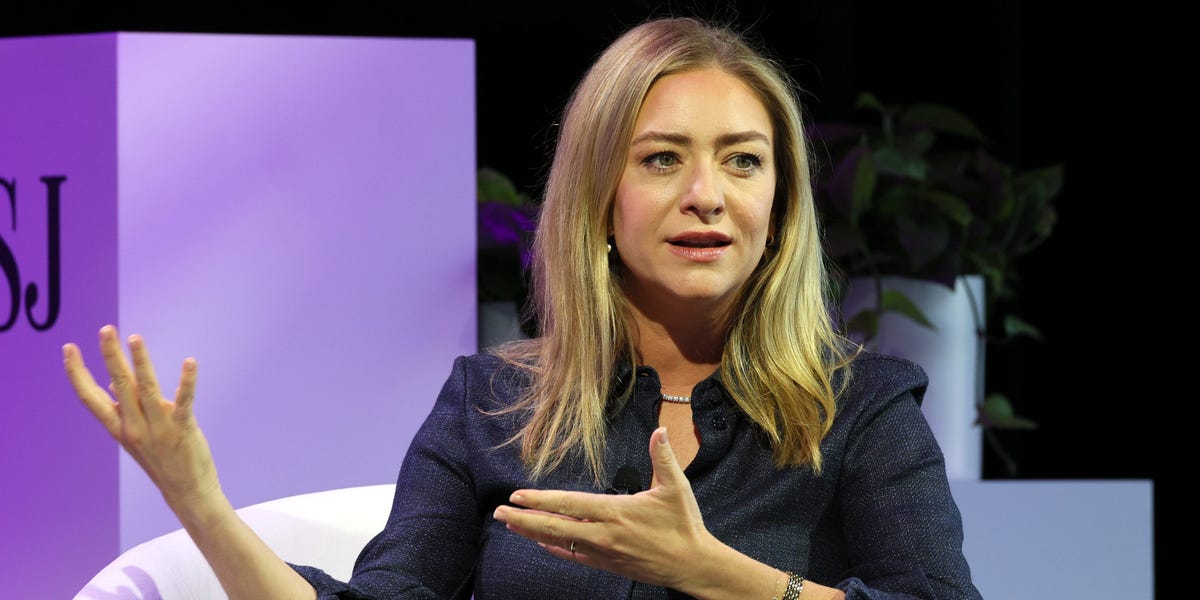
How Bumble Lost Its Way: Insights from CEO Whitney Wolfe Herd
Whitney Wolfe Herd acknowledges the discontent among dating app users.
As the company released its earnings report for the first quarter recently, Bumble's creator, Whitney Wolfe Herd, was straightforward about the unforeseen drawbacks of the company's aggressive expansion strategy.
"We've realized that enhancing the number of profiles alone doesn't equate to improved matches," Wolfe Herd pointed out. "Instead, it can result in the opposite — increased mismatches, a surge in fake or subpar profiles, and an overall unsatisfactory experience. As the quality across the app diminished, user enthusiasm waned, reducing the likelihood of successful matches and recommendations."
Wolfe Herd further noted that transitioning from organic, word-of-mouth growth tactics to more aggressive performance marketing channels adversely impacted user satisfaction.
Bumble, much like other dating platforms, enjoyed significant growth during the COVID-19 pandemic. Capitalizing on this growth, Bumble went public in 2021. However, since achieving a peak in stock price in February 2021, there's been a staggering decline exceeding 90%.
After stepping down in early 2024, Wolfe Herd temporarily left her CEO role, and by the following month, the company executed a major workforce reduction of approximately 30% in anticipation of an app overhaul. Wolfe Herd resumed her CEO position in March this year.
The company's revenue fell 7.7% in the first quarter, decreasing from $267 million in 2024's first quarter to $247 million in the same quarter of 2025. Revenue from the Bumble app alone saw a 6.5% downturn.
Yet, Wolfe Herd has laid out a vision to bring Bumble back to its former standing.
Apart from reducing expenditure on performance marketing, she outlined plans to intensify efforts in eradicating "members with harmful intentions who have compromised match quality and user trust," while also advancing technologies such as a "tailored matching algorithm" powered by AI.
Bumble isn’t alone in seeking innovation. With dating app giants encountering challenges, numerous startups have sprouted, drawing attention from both consumers and investors, often by innovating with AI-based matchmaking features.
Simultaneously, Bumble’s main competitor, Match Group — which controls brands like Tinder and Hinge — announced it would reduce its workforce by 13% and revealed a 3% dip in year-over-year revenue during the first quarter, attributing this decline to a 5% decrease in paying users.
Match Group’s newly appointed CEO, Spencer Rascoff, also shed light on the hurdles that dating apps are up against.
"The primary challenges facing this sector stem from stunted innovation and our inability to understand and adapt to the evolving preferences of younger users, particularly those from Gen Z," he explained.
Leave a Reply