


Global Leaders' Reactions to Trump's US Tariffs and the State of Negotiations
The imposition of wide-ranging tariffs by US President Donald Trump has met with a diverse array of responses from global leaders, including criticisms, expressions of concern, and calls for diplomatic engagement.
A 10% general tariff currently affects all goods entering the US as of May 7, with specific exceptions made for the automotive sector and certain electronics. However, a planned addition of tariffs on imports from 75 nations was temporarily halted on April 9.
Particularly high tariffs, as much as 245%, have been levied on Chinese imports, prompting China to counter with a 125% tariff on US products.
The Trump administration has engaged in discussions with a number of international partners, such as Canada, Mexico, and Japan, yet none of these have resulted in finalized trade agreements to date.
Canada's Standpoint
Canadian Prime Minister Mark Carney has deemed Trump's tariffs introduced on April 2 as 'unjustified.' In response, Carney has committed to preserving Canadian employment by enhancing supply management, boosting revenue safeguards, and expanding processing capabilities.
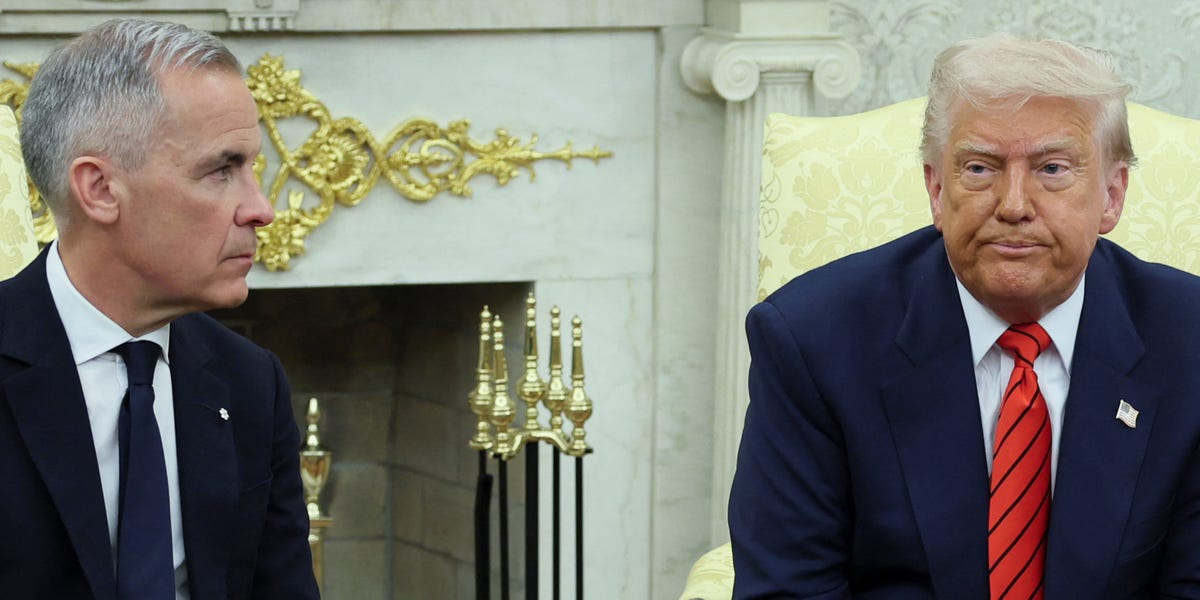
During their meeting in Washington on May 6, both leaders indicated potential revisions to the USMCA agreement, which ties the US, Canada, and Mexico in a trade framework. Carney suggested that these tariffs have exploited certain USMCA elements, necessitating adjustments.
China's Position
There has been contention between Trump and China over issues such as the legitimacy of tariffs and who initiated upcoming negotiations in Switzerland. China claims that the US initiated talks, contrary to Trump’s dismissal of such claims, stating he would not reduce tariffs to facilitate forthcoming discussions.
China has indicated that for discussions to proceed in good faith, the US must first decrease the imposed tariffs to demonstrate genuine intent.
Mexico's Diplomacy
Mexican President Claudia Sheinbaum has adopted a less adversarial tone. She noted a lack of additional tariffs against Mexico as a positive and highlighted the constructive relationship with the US built on mutual respect.
Sheinbaum confirmed that Mexico would not retaliate with tariffs and pointed out successes in negotiations earlier by addressing issues outlined by Trump.
Spain's Response
Spain's Prime Minister Pedro Sánchez criticized the US tariffs as a 'unilateral assault' rooted in outdated protectionism. He announced a significant aid package for industries affected by these tariffs, aiming to uphold European values.
Germany's Reaction
Germany’s outgoing leader Olaf Scholz expressed strong opposition to Trump's tariffs, advocating for a unified European response. He stressed that this move threatens a global trade framework that fosters prosperity.
Scholz highlighted potential global economic repercussions and the adverse impact on businesses and consumers worldwide, including in the US.
Australia's Viewpoint
Prime Minister Anthony Albanese of Australia has stated that his government will refrain from imposing reciprocal measures against the US, as these tariffs primarily harm American consumers.
While Albanese criticized the tariffs, he emphasized the historical depth of US-Australia relations and the importance of continuing constructive dialogue.
The Japanese Perspective
Japan's Prime Minister Shigeru Ishiba communicated concerns over the tariffs' impact on Japanese investments in the US, urging Trump to ease these measures.
Reflecting on a trade deal reached in 2019, Ishiba assured that Japan intends to maintain the agreement but will address inconsistencies arising from new US tariff policies.
Leave a Reply